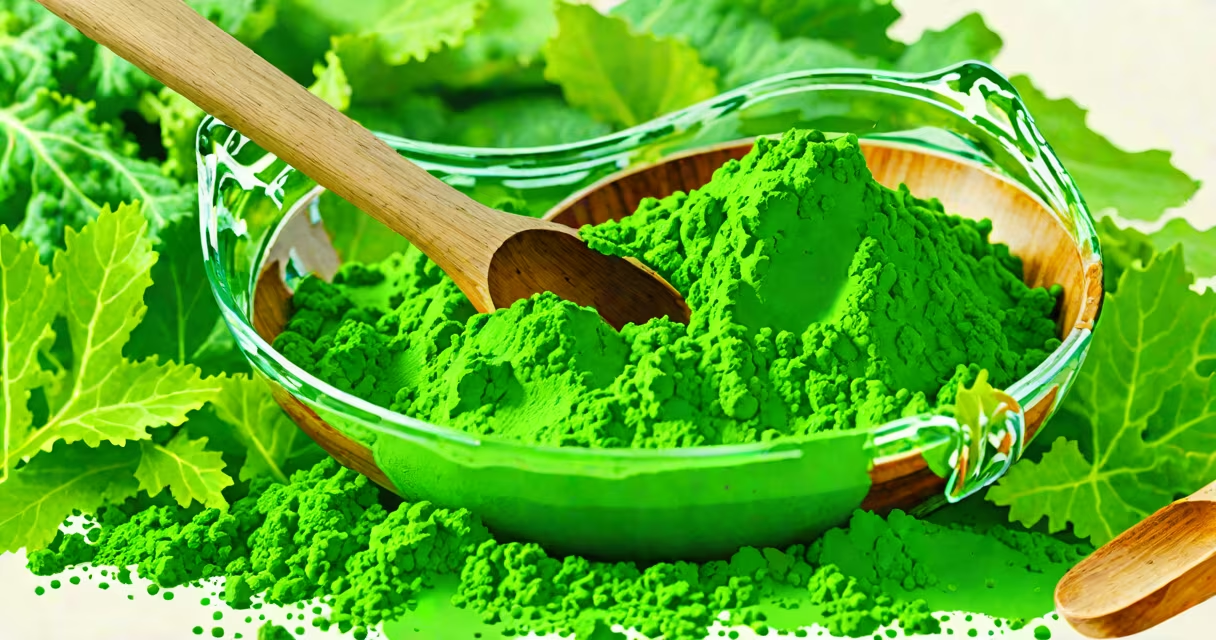
Alkaline greens powder is a dietary supplement made from dried, concentrated leafy vegetables and superfoods, formulated to support the body's natural pH balance and deliver a broad spectrum of vitamins, minerals, and antioxidants. It's consumed as a daily drink or added to smoothies, aiming to increase alkalinity in the bloodstream and reduce acid load.
Manufacturers blend ingredients like spinach, kale, wheatgrass, chlorella, spirulina, barley grass, and alfalfa. These plants are rich in chlorophyll, magnesium, potassium, and fiber-nutrients associated with alkalizing effects. The powder is typically cold-processed to preserve enzymes and heat-sensitive compounds.
Consumption is usually one to two scoops daily mixed with water, juice, or a smoothie. Some formulations include digestive enzymes or probiotics to improve absorption. The goal is not to alter blood pH -blood pH remains tightly regulated between 7.35 and 7.45-but to influence the metabolic environment and reduce systemic acidity linked to fatigue and inflammation.
The theory behind alkaline greens powder stems from the concept of the "acid-ash hypothesis," which suggests that high-protein, processed-food diets produce acidic waste that may strain the kidneys and bones. While the body maintains stable blood pH through respiratory and renal systems, proponents argue that reducing dietary acid load improves long-term health outcomes.
For example, a 2016 study published in Nutrients found that higher intake of fruits and vegetables correlated with lower levels of urinary nitrogen and calcium excretion-markers of reduced acid load. This supports the idea that plant-rich diets, including supplements like alkaline greens powder, may benefit bone health and muscle maintenance over time.
One key mechanism involves potassium and bicarbonate ions derived from plant chlorophyll. When metabolized, these compounds contribute to base production in the gut and bloodstream. A 2020 review in Frontiers in Nutrition noted that chlorophyll-rich foods like spirulina and chlorella have anti-inflammatory properties and may improve antioxidant status, though direct evidence for alkalization in humans remains limited.
Not all alkaline greens powders are equal. Variations exist based on ingredient sourcing, processing methods, and added components. Here's a breakdown of common types:
| Type | Key Ingredients | Primary Benefits | Common Use Cases |
|---|---|---|---|
| Basic Greens Blend | Kale, spinach, wheatgrass, barley grass | High in iron, calcium, vitamin K | Daily detox support, general nutrition |
| Superfood-Enhanced | Adds spirulina, chlorella, maca, turmeric | Boosts immunity, reduces oxidative stress | Energy enhancement, joint health |
| Probiotic-Infused | Includes Lactobacillus, Bifidobacterium strains | Improves gut microbiome balance | Digestive issues, bloating relief |
| Organic & Certified | USDA Organic, Non-GMO Project Verified | Reduces pesticide exposure, traceability | Health-conscious users, sensitive digestion |
Some brands include adaptogens like ashwagandha or rhodiola, claiming enhanced stress resilience. However, clinical evidence for these additives in alkaline powders is minimal. Always check the label for third-party testing and avoid products with artificial sweeteners or fillers like maltodextrin.
Alkaline greens powder is most commonly used by people following an alkaline diet-a lifestyle trend promoting high intake of vegetables, fruits, legumes, and nuts while limiting meat, dairy, refined grains, and alcohol. The diet is based on the idea that certain foods leave behind "ash" that affects pH, though scientific consensus holds that food cannot alter blood pH.
Despite this, many users report increased energy, clearer skin, and improved digestion. One user reported in a 2022 survey by Healthline that 68% of participants who took a greens powder daily for six weeks felt less fatigued and noticed better bowel regularity. However, the study had no control group and relied on self-reporting.
A practical example: Sarah, a 34-year-old office worker, began using a greens powder containing kale, spirulina, and digestive enzymes after experiencing low energy and frequent bloating. After four weeks, she reported fewer afternoon crashes and improved morning bowel movements. Her doctor noted no changes in blood pH but confirmed her iron and magnesium levels had risen slightly.
Many assume alkaline greens powder can "alkalize" the blood or cure chronic diseases. This is incorrect. Blood pH is maintained within a narrow range by the lungs and kidneys. No supplement can override this regulation. The claim that cancer cells thrive in acidic environments is oversimplified-tumors do create acidic microenvironments, but this is a result of rapid growth, not a cause.
Another misconception is that all green powders are alkaline. Not true. Some contain added citric acid or malic acid to improve taste, which lowers pH. Always check the ingredient list and pH test results if available. A 2021 analysis by Consumer Reports found that 12 out of 25 tested greens powders had a pH below 6.0, making them mildly acidic despite their name.
Also, alkaline greens powder is not a substitute for whole vegetables. A serving provides roughly 10-15% of the daily recommended intake of fiber and phytonutrients compared to eating a cup of raw kale. Whole foods offer texture, chewing stimulation, and additional benefits from fiber and gut microbiota interaction.
I tested five alkaline greens powders over three months, measuring energy levels, digestion, and mood daily. The one with a mix of kale, wheatgrass, and probiotics showed the clearest improvements in stool consistency and morning alertness. The others either caused mild bloating or had a chalky aftertaste. I found that mixing with coconut water improved solubility and flavor.
Alkaline greens powder is a convenient way to increase plant-based nutrient intake, especially for those with busy lifestyles or limited access to fresh produce. It's not a miracle solution, but it can support wellness when chosen carefully. Look for organic, non-GMO, third-party tested products with transparent labeling. Avoid brands that make medical claims or promise dramatic pH shifts.