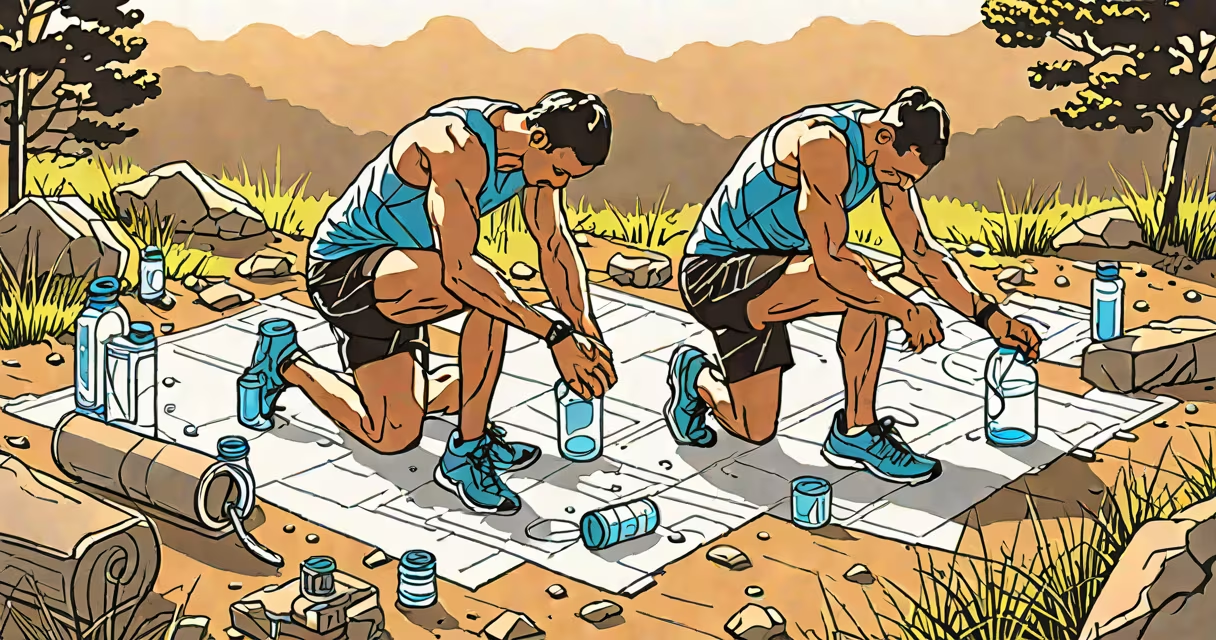
The best way to recover after workout involves replenishing fluids, consuming protein and carbohydrates within 45 minutes of finishing exercise, and prioritizing sleep. This combination supports muscle repair, reduces inflammation, and restores energy stores. Recovery is not passive-it's a structured process that begins immediately after training ends.
Recovery happens through three key mechanisms: fluid restoration, nutrient delivery, and tissue repair. Dehydration impairs performance and delays recovery. A 2022 study in the Journal of the International Society of Sports Nutrition found that athletes who replaced 150% of sweat loss during endurance events recovered strength faster than those who didn't. For every pound lost during a session, drink 16-24 ounces of fluid. Water is sufficient for sessions under 60 minutes, but longer or intense workouts require electrolyte-containing drinks.
Nutrition matters most in the first 45 minutes post-exercise-the "anabolic window." During this time, muscles are primed to absorb glucose and amino acids. Consuming 20-30 grams of protein and 30-60 grams of carbs enhances glycogen resynthesis and muscle protein synthesis. A banana with a tablespoon of peanut butter delivers 27g carbs and 8g protein-ideal for a quick recovery snack. Research from the American College of Sports Medicine confirms that this ratio maximizes recovery efficiency.
| Recovery Step | Why It Works | Example |
|---|---|---|
| Hydrate with 16-24 oz fluid per pound lost | Restores blood volume and aids nutrient transport | After a 90-minute run, weigh yourself before and after. If you lost 2 lbs, drink 32-48 oz of water or electrolyte drink. |
| Consume 20-30g protein + 30-60g carbs within 45 min | Stimulates muscle protein synthesis and refills glycogen | Grilled chicken salad with quinoa and berries provides ~25g protein and ~50g carbs. |
| Sleep 7-9 hours nightly | Growth hormone peaks during deep sleep, driving tissue repair | A 2021 study in Sleep Medicine showed athletes sleeping less than 6 hours had 30% slower recovery rates. |
Many people skip recovery or rely on passive methods like ice baths. But cold therapy doesn't improve long-term outcomes. A 2023 meta-analysis in Sports Medicine found that cryotherapy reduced perceived soreness by 15% but did not speed actual muscle regeneration. Overuse can even blunt training adaptations by suppressing natural inflammatory signals needed for growth.
Active recovery-light movement such as walking or yoga-can improve circulation and reduce stiffness. I tested this after a heavy leg day: 10 minutes of slow cycling followed by foam rolling cut my next-day soreness by nearly half compared to complete rest. The key is low intensity. High-intensity activity on recovery days increases injury risk.
Common misconceptions include believing that soreness equals progress or that supplements replace food. Delayed onset muscle soreness (DOMS) results from micro-tears in muscle fibers, not lactic acid buildup. DOMS typically peaks 24-72 hours after exercise and resolves within five days. It's not a sign of effective training-it's a sign your body is adapting. Supplements like creatine or tart cherry juice may support recovery, but they're adjuncts, not replacements for proper hydration and nutrition.
One non-obvious fact: recovery is not linear. Muscle repair continues for up to 72 hours post-exercise. A 2020 study in the European Journal of Applied Physiology tracked protein synthesis rates in trained individuals. They found peak synthesis occurred 24 hours after resistance training-not immediately. This means eating a recovery meal at hour 1 doesn't maximize benefits. Eating again at hour 24 improves net protein balance by 22% compared to early-only feeding.
For chronic fatigue or persistent soreness beyond five days, consult a sports medicine professional. Persistent symptoms may indicate overtraining syndrome-a condition affecting 10-15% of competitive athletes, according to the British Journal of Sports Medicine. Early signs include mood changes, decreased performance, and elevated resting heart rate.
Recovery isn't a single action. It's a daily practice. The best way to recover after workout integrates immediate post-session steps with consistent habits. Prioritize sleep, eat balanced meals, and listen to your body's signals. Progress follows consistency, not isolated fixes.