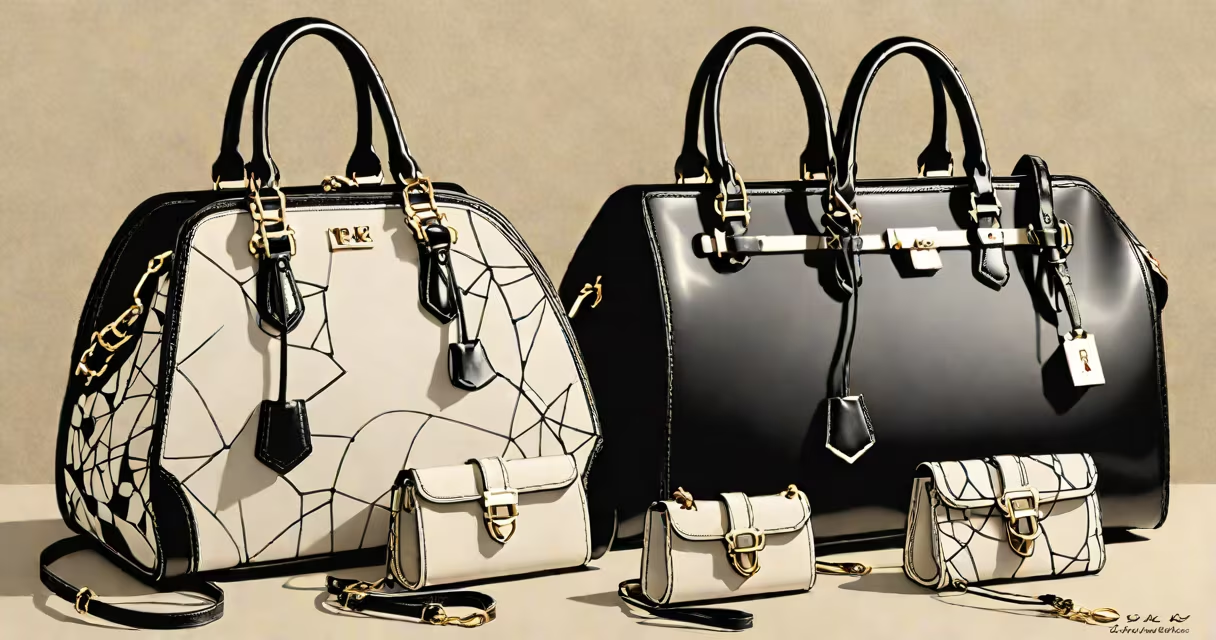
The black and white market describes the trade of goods through unofficial or unauthorized distribution channels, often involving counterfeit, stolen, or diverted products sold outside official supply chains. This system operates outside legal oversight and poses risks to consumers seeking authentic items.
Products enter the black and white market through several routes. A common path involves manufacturers producing goods legally but selling them at lower prices in one region. Resellers then import these goods into higher-priced markets, undercutting official retailers. This practice, known as parallel trade, is legal in many countries but violates brand distribution agreements. In contrast, black market activity includes outright counterfeiting-manufacturing fake versions of branded products-or stealing genuine goods and reselling them.
White market refers to legitimate retail channels where products are sold through authorized dealers under brand control. Black market denotes illegal sales of stolen or counterfeit goods. The term "black and white market" combines both extremes: the illicit (black) and the officially sanctioned (white), highlighting the gap between legal and unauthorized trade.
When a luxury handbag sells for $2,500 in New York but $1,800 in Paris, a reseller may buy dozens in France and ship them to the U.S. for resale at $2,200. This is parallel trade-legal under international law but prohibited by brand contracts. The brand loses control over pricing and customer experience. If the bag is fake, made in a factory using the same design, materials, and logo, it's part of the black market. These fakes often mimic details closely enough to deceive casual buyers.
Some sellers exploit regional price differences by sourcing goods from emerging markets where production costs are low. For example, a smartphone priced at $300 in India may be imported into the U.S. and sold for $400, undercutting official distributors. While not always illegal, such practices erode brand integrity and reduce profit margins for authorized partners.
Online marketplaces amplify the problem. Platforms like eBay or Facebook Marketplace host thousands of listings for high-demand items-watches, designer clothes, electronics-many of which lack proof of origin. A 2022 report by the U.S. Customs and Border Protection found that nearly 60% of seized counterfeit goods entering the U.S. arrived via e-commerce platforms.
The following table outlines key categories within the black and white market structure:
| Type | Description | Example | Legal Status |
|---|---|---|---|
| Parallel Trade | Legally produced goods moved across borders without brand authorization | Designer sunglasses bought in Dubai and resold in London | Licensed under international exhaustion doctrine |
| Counterfeit Goods | Fake products made to resemble authentic ones | Handbags with identical logos and stitching to Gucci originals | Illegal; subject to seizure and prosecution |
| Diverted Goods | Authentic products rerouted from intended markets | Pharmaceuticals shipped from China to Mexico, then smuggled into the U.S. | Illegal; violates export controls and health regulations |
| Stolen Goods | Items taken from warehouses, stores, or transport | High-end watches stolen during a warehouse burglary in Switzerland | Crimes under federal and state law |
One notable case involved a 2021 investigation by the U.S. Department of Justice into a network selling fake Louis Vuitton bags through Instagram. The operation used AI-generated images to mimic real product photography and operated across five states. Over 1,200 fake bags were seized, valued at $3.7 million. The ringleader was sentenced to 46 months in prison.
Many assume that all cheap luxury items are fake. Not true. Some brands sell limited editions or seasonal lines at discounted rates through approved outlets. These are not black market goods-they're legitimate clearance sales. Distinguishing between them requires checking serial numbers, purchase receipts, and brand verification tools.
Another misconception is that parallel trade harms only brands. In reality, consumers face real risks. A 2023 study by the European Commission found that 1 in 5 counterfeit luxury goods contained harmful chemicals, including lead and phthalates. One woman in Berlin reported developing skin irritation after wearing a fake designer watch with nickel-plated casing.
A lesser-known fact: some black market goods originate from authorized factories. In 2019, a Chinese factory producing Nike shoes for the European market began diverting surplus inventory to unlicensed distributors in Southeast Asia. The company discovered the breach during an internal audit and shut down the facility. This shows that even trusted suppliers can become conduits for unauthorized trade.
Always verify the seller's credentials. Look for official store badges, verified email addresses, and secure checkout pages. When buying online, check if the platform offers buyer protection. Amazon's A-to-Z Guarantee covers eligible purchases, but third-party sites often don't.
Use brand-specific authentication services. Gucci offers a free verification tool at gucci.com/verify. Input the serial number and upload a photo of the item. The system returns a result within minutes. Similarly, Rolex provides a global database for serial number checks.
I once purchased a vintage leather jacket listed as "authentic" on a local marketplace. The seller insisted it came from a private estate. After scanning the label and comparing it with official records, I found the stitching pattern didn't match any known production batch. The jacket was a well-made replica. I reported the listing and avoided financial loss.
Understanding the black and white market helps avoid scams, supports ethical consumption, and protects personal safety. Always verify provenance before spending significant amounts on luxury or high-demand goods.
Recognizing the difference between legal parallel trade and illegal counterfeit activity prevents costly mistakes. The black and white market remains a complex system where legality, authenticity, and risk intersect. Consumers who research thoroughly reduce exposure to fraud and ensure their purchases reflect genuine value.