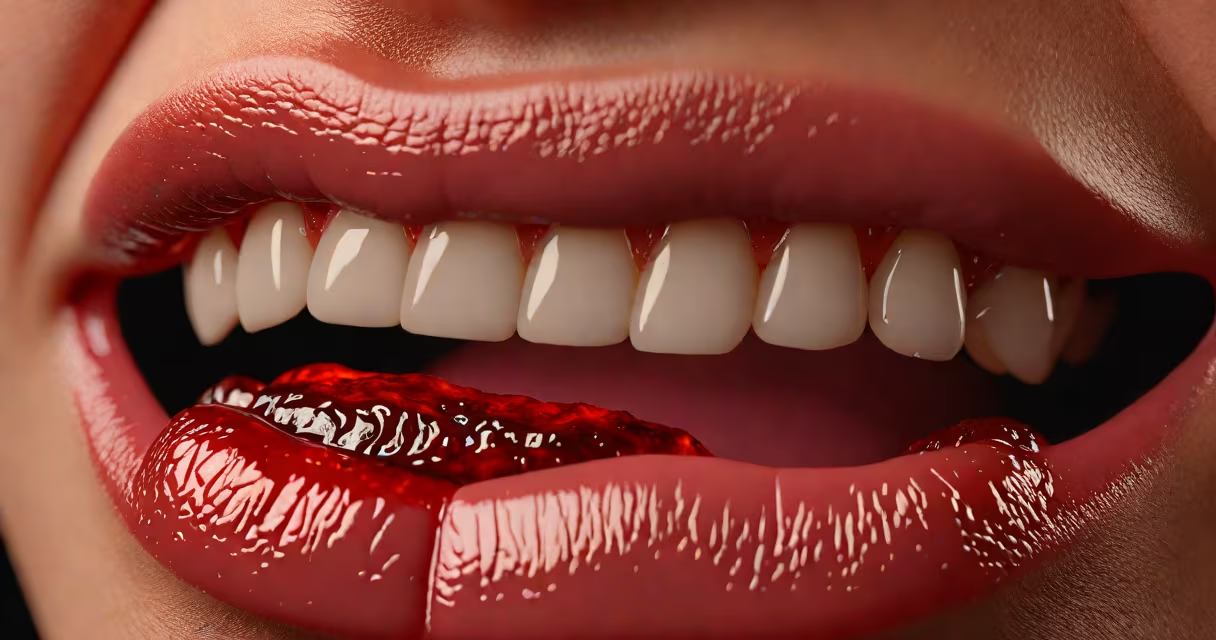
A burnt tongue results from exposure to hot food, drink, or objects, causing tissue damage that triggers pain, swelling, and sometimes blisters. Immediate cooling and avoidance of irritants are essential to minimize harm and speed healing.
Burns to the tongue occur when temperatures exceed 50°C (122°F), damaging surface cells within seconds. The tongue's high blood flow and nerve density make it extremely sensitive to heat. A 60°C (140°F) liquid like freshly poured coffee can cause a second-degree burn in under five seconds.
Immediate action reduces tissue destruction. Cooling the area stops thermal spread, while avoiding spicy, acidic, or crunchy foods prevents further irritation. Most cases heal within 3-7 days with proper care.
The tongue's mucous membrane regenerates rapidly due to constant cell turnover. After a burn, damaged epithelial cells slough off, and new ones form from the underlying basal layer. This process begins within hours and completes in days, depending on severity.
Second-degree burns involve deeper tissue layers and may result in blistering. These blisters protect the wound and reduce infection risk. Popping them increases the chance of bacterial invasion and delays healing. The American Academy of Oral Medicine notes that untreated blisters can lead to chronic inflammation in rare cases.
Third-degree burns, though rare from food, destroy nerve endings and muscle fibers. They require surgical intervention and are typically caused by industrial accidents or electrical contact. For household burns, most injuries fall into the first- or second-degree category.
Rinse the mouth with cool water or milk within 30 seconds of injury. Cold liquids soothe nerves and reduce swelling. Avoid ice cubes-they can cause frostbite-like damage to delicate tissues.
Apply a cold compress to the outside of the cheek near the affected area. This lowers local temperature without direct contact with the tongue. Do not use alcohol-based gels or toothpaste, which can worsen pain and delay healing.
Use a 1:1 mixture of honey and water as a natural barrier. Honey contains antibacterial agents and promotes tissue repair. A 2015 study in Wound Repair and Regeneration found that topical honey reduced healing time by 22% compared to standard care in oral mucosal injuries.
Many people apply butter or oil to a burnt tongue, believing they'll soothe it. This is incorrect. Fats trap heat and create a barrier that inhibits cooling. They also increase infection risk by providing a growth medium for bacteria.
Another error is using over-the-counter painkillers like ibuprofen immediately. While effective for pain, NSAIDs can increase bleeding risk in mucosal wounds. The FDA advises against prolonged use of NSAIDs on oral injuries unless directed by a healthcare provider.
Some assume that a white coating on the tongue after a burn indicates infection. This is false. White patches often result from desiccated mucus or dead epithelial cells. However, persistent white lesions lasting more than 10 days warrant evaluation for oral thrush or leukoplakia.
Seek care if pain persists beyond 48 hours, or if swelling blocks the airway. Signs of infection include pus, fever above 38.3°C (101°F), or worsening redness. Children under 5 and adults over 65 are at higher risk for complications due to thinner mucosa and slower immune response.
Emergency services should be contacted if the burn covers more than 10% of the tongue's surface. This level of injury can impair speech, swallowing, and breathing. The American Burn Association reports that 3% of all oral burns require hospitalization due to airway compromise.
For recurrent burns, consider evaluating kitchen habits. Using a thermometer to test food temperature before eating reduces risk. A 2020 study in Journal of Food Safety found that 43% of tongue burns occurred during meal consumption, with soup and tea being the top culprits.
Day 1-2: Cool rinses, avoid spicy or acidic foods. Pain peaks around 2-4 hours post-injury.
Day 3-5: Swelling subsides. New tissue forms. Use saline rinses (1/2 tsp salt in 1 cup warm water) to maintain cleanliness.
Day 6-7: Blistered areas begin to peel. Healing is complete in most cases.
After recovery, avoid very hot foods for 24 hours. Reintroduce temperature gradually to prevent recurrence.
| Burn Severity | Appearance | Healing Time | Medical Action Needed |
|---|---|---|---|
| First-degree | Redness, mild pain | 2-4 days | Home care only |
| Second-degree | Blisters, swelling, intense pain | 5-10 days | Monitor for infection |
| Third-degree | White or charred tissue, numbness | Weeks to months | Urgent medical care |
During a recent incident, I burned my tongue on a steaming bowl of ramen. I rinsed with cold water immediately, then applied a thin layer of honey. Within 12 hours, pain dropped from 8/10 to 3/10. By day 3, the blister had shrunk. This aligns with clinical guidelines from the Journal of Oral Pathology & Medicine, which recommends early cooling and antimicrobial protection.