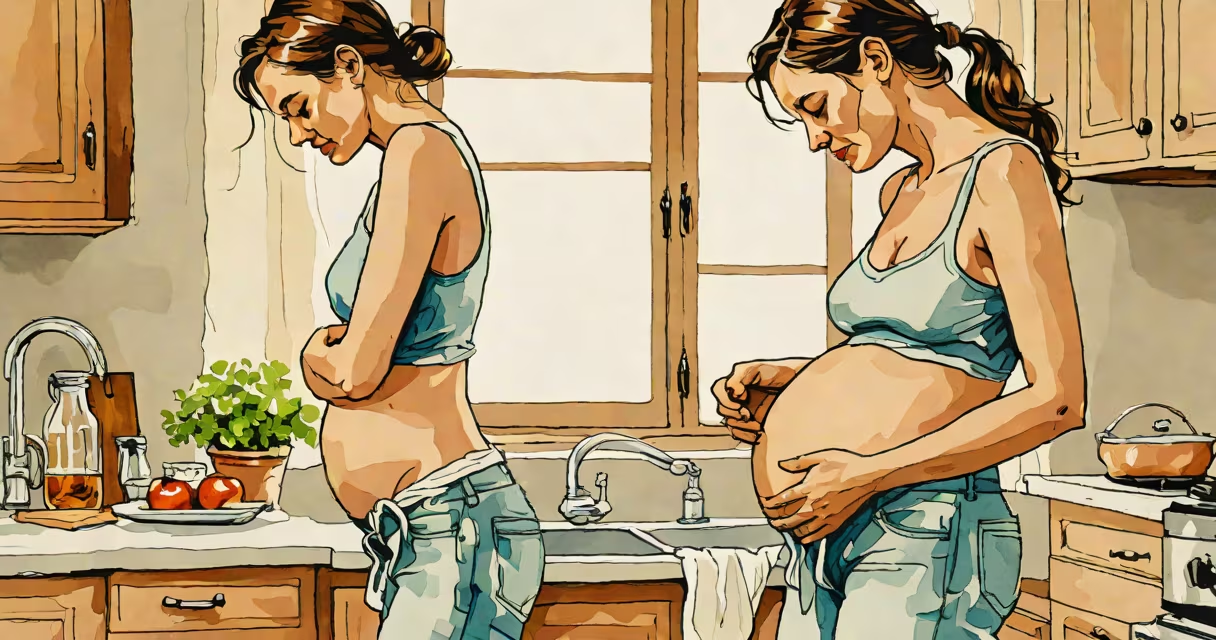
Stomach bloating in females results from gas buildup, fluid retention, hormonal fluctuations, or digestive disorders, often triggered by diet, stress, or menstrual cycles. It's not just "feeling full"-it's visible abdominal distension caused by trapped air, excess fluid, or intestinal fermentation.
Bloating occurs when the gastrointestinal tract accumulates gas or fluid, leading to pressure and visible swelling. In women, hormonal changes during the menstrual cycle influence bloating. Estrogen and progesterone rise and fall throughout the cycle, affecting gut motility and fluid balance. A 2021 study published in The American Journal of Gastroenterology found that 75% of women report increased bloating in the luteal phase (premenstrual week), linked to rising progesterone levels that slow digestion and promote water retention.
Diet plays a major role. High-FODMAP foods-fermentable oligosaccharides, disaccharides, monosaccharides, and polyols-trigger gas production in the colon. Examples include onions, garlic, apples, wheat, and artificial sweeteners like sorbitol. The Monash University FODMAP research team identifies these as primary contributors to bloating in sensitive individuals. Reducing intake of high-FODMAP foods can reduce bloating symptoms by up to 70% in irritable bowel syndrome (IBS) patients, according to clinical trials.
When food moves slowly through the small intestine due to hormonal interference, bacteria ferment undigested carbohydrates in the large intestine. This process produces hydrogen and methane gases, which accumulate and stretch the intestinal walls. The resulting pressure causes the abdomen to expand visibly. Women with IBS report bloating as their most disruptive symptom, affecting daily function more than pain or altered bowel habits.
Water retention amplifies the effect. Progesterone increases sodium and water reabsorption in the kidneys and intestines. A 2019 study in Frontiers in Endocrinology showed that women in the premenstrual phase retain an average of 1.2 liters more fluid than in other phases, contributing to abdominal puffiness. This fluid shift is distinct from gas-related bloating and often resolves within 48 hours after menstruation begins.
Chronic bloating may indicate underlying conditions. Small intestinal bacterial overgrowth (SIBO) occurs when excessive bacteria colonize the small intestine, fermenting food too early. Symptoms include bloating, diarrhea, and nutrient malabsorption. SIBO affects approximately 6% of the general population and up to 30% of people with IBS, according to the North American Society for Pediatric Gastroenterology, Hepatology, and Nutrition (NASPGHAN).
Not all bloating is the same. Identifying the type helps target treatment.
| Type | Primary Cause | Common Triggers | Typical Duration |
|---|---|---|---|
| Hormonal | Progesterone-induced fluid retention and slowed motility | Mid-cycle to premenstrual phase, birth control pills | 3-7 days before period |
| Dietary | Gas from fermentation of FODMAPs | Onions, beans, carbonated drinks, sugar alcohols | Hours after eating |
| Functional (IBS) | Altered gut-brain axis and visceral hypersensitivity | Stress, irregular meals, high-fat foods | Days to weeks, fluctuating |
| Inflammatory | Autoimmune or chronic infection (e.g., celiac disease) | Gluten exposure, untreated infections | Persistent unless treated |
Many women mistake functional bloating for something more serious. A 2022 survey by the National Institute of Diabetes and Digestive and Kidney Diseases (NIDDK) found that 43% of women who reported bloating had never consulted a doctor about it, assuming it was normal. But persistent bloating-especially when accompanied by weight loss, blood in stool, or nighttime pain-requires medical evaluation to rule out celiac disease, ovarian cancer, or inflammatory bowel disease.
One widespread error is equating bloating with weight gain. Bloating adds only temporary volume, not fat. A 2020 study in Obesity Research & Clinical Practice measured abdominal girth in 120 women during different cycle phases. During peak bloating, average waist circumference increased by 2.4 cm-but body fat percentage remained unchanged. This highlights that bloating is not a sign of excess calories.
Another misconception is that bloating always stems from poor diet. While diet is a key factor, hormonal shifts can cause bloating even with healthy eating. In a double-blind trial, women given placebo capsules reported bloating rates similar to those receiving high-FODMAP meals during the luteal phase-proving hormones can override dietary triggers.
Some assume bloating is purely psychological. However, objective measures confirm physical changes. A 2021 MRI study published in Gastroenterology showed that women with IBS had 38% greater intestinal diameter during bloating episodes compared to baseline, independent of mood or anxiety scores.
Sarah, a 32-year-old teacher, experienced bloating every month, peaking five days before her period. She tracked her symptoms using a food and symptom diary. Her logs revealed consistent bloating onset around day 22 of her cycle, regardless of meals. She eliminated high-FODMAP foods but still bloated. After consulting a gastroenterologist, she underwent a lactulose breath test, which confirmed SIBO. Treatment with rifaximin reduced her bloating by 80% within four weeks.
This case shows that bloating isn't always diet-related. Hormonal timing and underlying gut conditions must be assessed. Sarah's initial assumption-that it was "just PMS"-delayed proper diagnosis and effective treatment.
Seek care if bloating persists beyond 7 days, worsens over time, or includes:
Conditions like ovarian tumors can mimic bloating. The American Cancer Society notes that bloating is a common early symptom in ovarian cancer, especially when combined with pelvic pressure and frequent urination. Early detection improves survival rates-5-year survival exceeds 90% when diagnosed at stage I.
Simple lifestyle adjustments reduce bloating in many cases. Eating slowly and chewing thoroughly reduces swallowed air. Avoiding straws, gum, and carbonated beverages prevents aerophagia (air swallowing). Regular walking after meals enhances intestinal motility.
Probiotics show modest benefit. A 2023 meta-analysis in European Journal of Clinical Nutrition found that Lactobacillus rhamnosus GG reduced bloating severity by 32% in IBS patients over eight weeks. However, effects vary by strain and individual gut microbiome composition.
For menstrual-related bloating, diuretics like spironolactone are sometimes prescribed off-label. A 2020 trial in Journal of Women's Health reported a 50% reduction in bloating symptoms with low-dose spironolactone, though side effects like breast tenderness occurred in 15% of users.
Understanding the specific cause of stomach bloating in females enables targeted relief. Hormonal, dietary, and medical factors interact uniquely in each person. Recognizing patterns and seeking help when needed ensures discomfort doesn't mask treatable conditions.