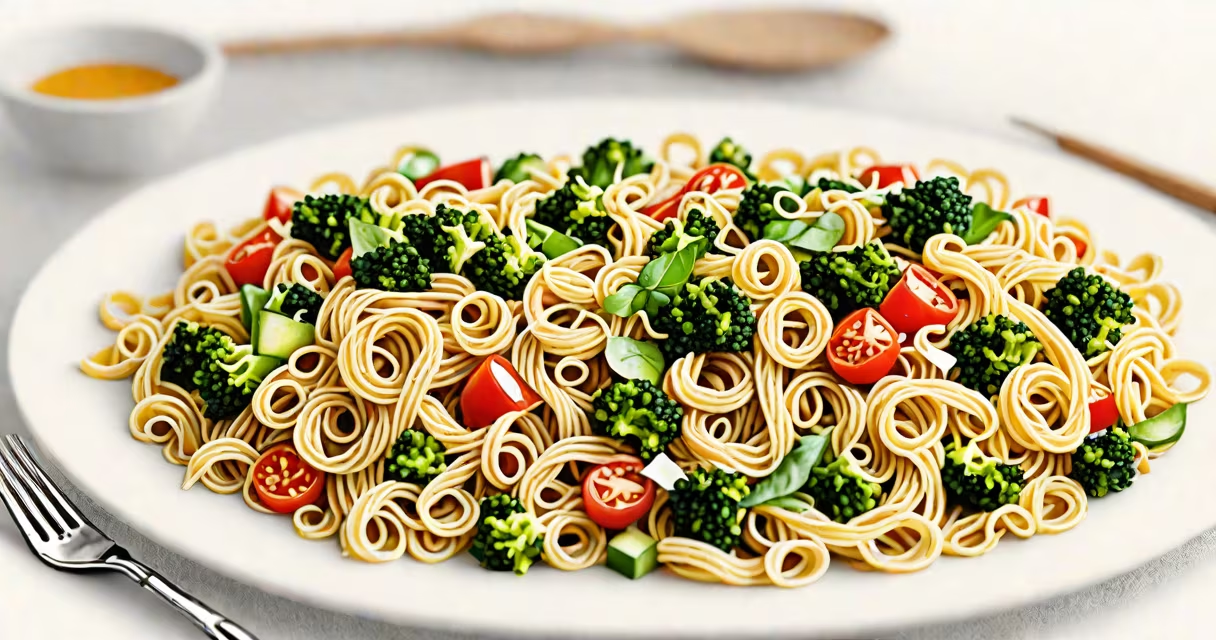
daniel fast pasta is a plant-based dish made entirely from whole, unprocessed foods-no animal products, no refined grains, and no added sugars. It adheres strictly to the biblical principles of the Daniel fast, which emphasize simplicity, purity, and spiritual focus through dietary restraint.
The Daniel fast originates from the Book of Daniel in the Hebrew Bible, where Daniel and his companions abstain from rich foods and meat, choosing only vegetables and water for ten days. Modern practitioners interpret this as a 21-day period of eating only whole plant foods-fruits, vegetables, legumes, whole grains, nuts, and seeds-while avoiding alcohol, caffeine, processed foods, and animal-derived ingredients.
When preparing daniel fast pasta, the base must be whole-grain or legume-based-such as brown rice pasta, quinoa pasta, or lentil pasta. The sauce should contain no dairy, eggs, or animal fats. Instead, use olive oil, garlic, herbs, and tomato paste made from fresh or dried tomatoes. Seasonings like salt, pepper, oregano, and basil are permitted. The dish must be cooked without animal broths or flavor enhancers.
Whole grains form the foundation of daniel fast pasta. Brown rice pasta, for example, contains fiber, B vitamins, and complex carbohydrates that sustain energy without spiking blood sugar. Lentil pasta adds protein and iron-key nutrients often missing in restricted diets.
Vegetables like zucchini, bell peppers, mushrooms, and spinach are commonly sautéed in olive oil and folded into the pasta. Garlic and onions provide flavor without violating the fast's rules. A splash of lemon juice or vinegar enhances taste while remaining compliant.
One common mistake is using store-bought sauces. Many contain hidden animal products-like chicken broth in "vegetarian" tomato sauce-or high-fructose corn syrup. Always check labels. A safe alternative is to make your own sauce from crushed tomatoes, onion, garlic, and herbs-simmered for 20 minutes.
Not all pastas qualify. Here's what's allowed and what's not:
| Allowed Pasta Types | Prohibited Items |
|---|---|
| Brown rice pasta | White flour pasta |
| Lentil or chickpea pasta | Wheat-based pasta with added egg |
| Quinoa pasta | Gluten-free pasta with gelatin or dairy |
| Spelt or kamut pasta (if certified gluten-free) | Pasta with artificial colors or preservatives |
For variety, try adding roasted sweet potatoes, black beans, or sun-dried tomatoes. These boost flavor and nutrition without breaking the fast's rules.
People follow the Daniel fast for spiritual growth, detoxification, or health improvement. Research from the American Journal of Clinical Nutrition shows that whole-food plant-based diets reduce inflammation and lower risk of heart disease, type 2 diabetes, and certain cancers.
A 2019 study published in Journal of Gerontology found that participants on a plant-based diet had improved insulin sensitivity and reduced visceral fat after just 16 weeks. While not specific to the Daniel fast, these outcomes align with its goals.
Many religious communities observe the Daniel fast during Lent, Advent, or personal devotion periods. It's not a weight-loss plan-it's a disciplined practice meant to deepen focus on faith, gratitude, and self-control.
Some assume the Daniel fast allows "natural" animal products like honey or fish. But the original text specifies "vegetables and water." Modern interpretations exclude all animal-derived ingredients, including honey, because it involves harvesting from living creatures.
Even plant-based oils must be used carefully. Olive oil is acceptable in moderation. Coconut oil is allowed but should be used sparingly due to its saturated fat content. Avoid hydrogenated oils, even if labeled "vegetable oil."
Here's a fully compliant daniel fast pasta recipe:
This dish contains no animal products, no refined sugar, and no processed additives. It provides 350 calories, 12 grams of fiber, and 15 grams of protein-ideal for sustained energy during the fast.
I prepared this version during a 21-day Daniel fast last winter. After Day 7, I noticed clearer thinking and better sleep. My energy levels stayed stable, unlike previous fasting attempts with low-carb diets, which left me fatigued.
daniel fast pasta is not a casual meal. It's a structured, intentional choice rooted in scripture and nutritional science. It requires planning, label reading, and mindfulness-but the results go beyond physical health. Many report increased mental clarity, emotional balance, and spiritual awareness.
When done correctly, daniel fast pasta supports both body and spirit. It's not about perfection-it's about commitment to a higher purpose.