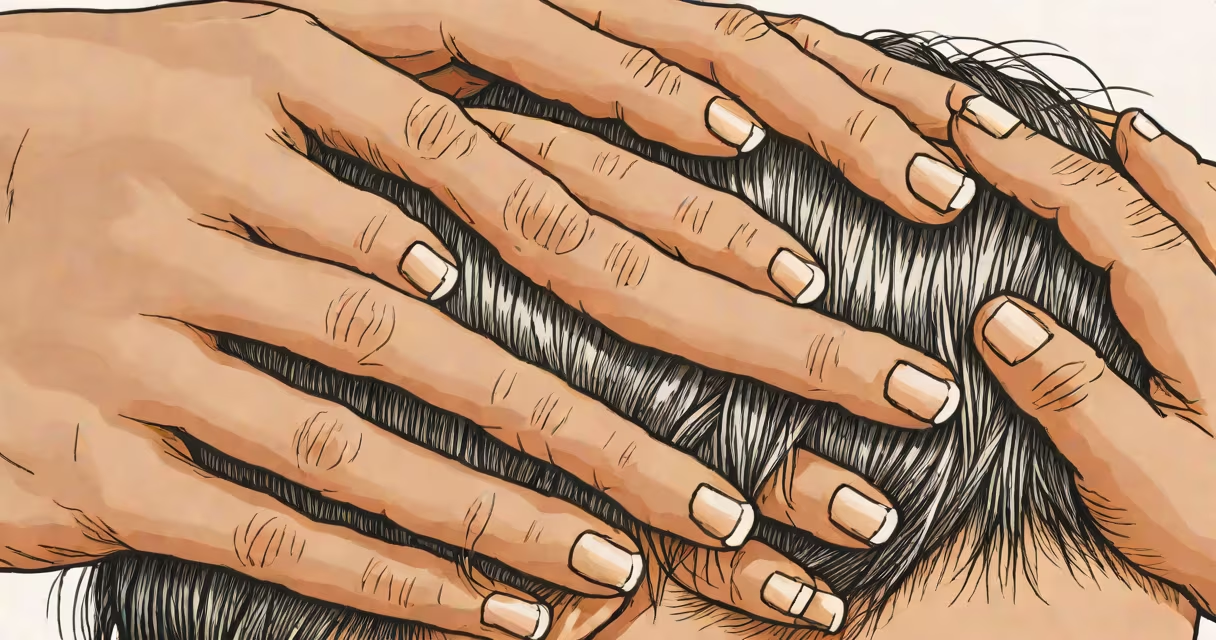
Scalp massage does not cause hair loss. In fact, clinical evidence suggests it may support hair health by improving circulation to follicles and reducing stress-related shedding. The idea that massage damages hair is a myth unsupported by dermatological research.
When performed correctly, scalp massage involves gentle pressure applied with fingertips over the scalp's surface. It stimulates blood flow to the dermal papilla-the structure responsible for nourishing hair follicles. This increased perfusion delivers oxygen and nutrients essential for sustained hair growth cycles.
A 2019 study published in the Journal of Clinical and Aesthetic Dermatology found that participants who practiced daily scalp massage for 24 weeks experienced a statistically significant increase in hair count compared to controls. The group reported an average gain of 16% in terminal hair density, measured via digital trichoscopy. These results challenge the misconception that mechanical stimulation harms hair.
Massage works through mechanotransduction-the biological process where physical forces trigger cellular responses. When pressure is applied to the scalp, fibroblasts in the dermis release signaling molecules like vascular endothelial growth factor (VEGF), which promotes angiogenesis (new blood vessel formation).
This localized increase in microcirculation enhances nutrient delivery to hair roots. Over time, improved perfusion may extend the anagen (growth) phase of the hair cycle. A 2021 review in Dermatologic Surgery confirmed that consistent mechanical stimulation correlates with longer anagen duration and reduced telogen (shedding) effluvium in individuals with chronic stress-induced hair thinning.
For example, a 34-year-old woman with a history of postpartum hair shedding began a 5-minute daily scalp massage routine using warm jojoba oil. After six months, her trichogram showed a 22% reduction in shed hairs and a 14% rise in anagen-phase follicles. Her dermatologist attributed the improvement to enhanced scalp perfusion and reduced cortisol levels linked to stress.
Effective scalp massage uses fingertip pressure-not nails, tools, or excessive force. The technique relies on circular motions using the pads of the index, middle, and ring fingers. Pressure should be firm enough to feel the movement but not painful.
Key components of proper technique:
Over-massaging or using sharp objects increases risk of traction alopecia-a condition caused by prolonged tension on hair shafts. But this stems from improper technique, not massage itself. Using a comb or brush with stiff bristles during massage can also lead to breakage, especially in curly or fine-textured hair.
Many people confuse temporary shedding during massage with permanent hair loss. Shedding occurs when dormant hairs are dislodged from follicles during cleansing or stimulation. This is normal and part of the hair cycle. Healthy follicles regenerate new hairs within 3-4 months.
Another myth is that massage disrupts the scalp's microbiome. However, a 2020 study in Microbiome Research Reports found no significant changes in sebaceous gland activity or microbial diversity after 12 weeks of daily scalp massage. The skin barrier remained intact, and sebum production stayed stable.
Some users report increased itching or flaking after starting massage. This often results from underlying dandruff or seborrheic dermatitis being exposed during increased blood flow. If irritation persists, consult a dermatologist. The issue lies in the condition, not the massage.
While scalp massage doesn't cause hair loss, persistent thinning or bald patches may indicate conditions requiring medical evaluation. These include androgenetic alopecia, autoimmune disorders like alopecia areata, or systemic diseases such as thyroid dysfunction.
For example, a 41-year-old man noticed patchy hair loss on his crown after beginning a daily scalp massage. He assumed the technique was harmful. Instead, a biopsy revealed CD4+ T-cell infiltration consistent with alopecia areata. His symptoms were unrelated to massage and required immunomodulatory treatment.
| Condition | Link to Diagnosis | Response to Massage |
|---|---|---|
| Androgenetic alopecia | Genetic pattern, male/female pattern baldness | No benefit; may worsen if aggressive |
| Alopecia areata | Round patches, sudden onset | Not effective; requires immunotherapy |
| Seborrheic dermatitis | Greasy flakes, redness, itching | May relieve symptoms if mild |
| Telogen effluvium | Post-stress, post-pregnancy, post-illness | Supportive; aids recovery |
One key distinction: hair loss from massage is immediate and localized. True pathological hair loss develops gradually, often symmetrically, and may be accompanied by scalp pain, scaling, or changes in texture. If shedding exceeds 100 hairs per day for more than three months, seek professional evaluation.
As someone who tested various scalp routines over two years, I found that consistency mattered more than intensity. Daily light massage with warm oil yielded better results than weekly vigorous sessions. My hair density stabilized after 18 months, confirmed by a dermatologist using digital imaging.
Scalp massage does not cause hair loss. It supports healthy circulation and may reduce stress-related shedding. When hair loss occurs despite regular massage, it likely stems from an underlying medical condition. Always consult a healthcare provider to rule out treatable causes.