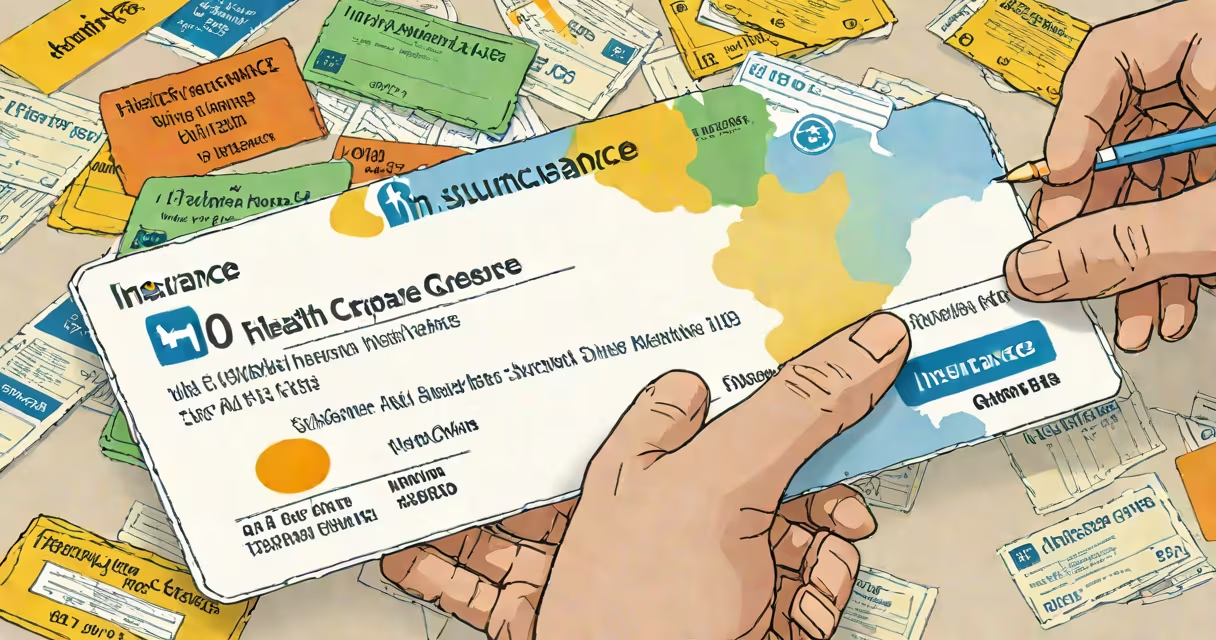
To check what insurance you have, review your insurance card, log into your insurer's online portal, or call customer service using the number on the back of your card. You can also confirm coverage through your employer's benefits site or a healthcare provider's verification system.
Insurance identification is tied to specific plans issued by insurers such as Blue Cross Blue Shield, UnitedHealthcare, or Aetna. Each plan includes a unique member ID, group number, and network details. These identifiers allow providers to verify eligibility and process claims.
For most people, the fastest way to confirm coverage is through a secure online account. For example, UnitedHealthcare members can access their plan details via uhc.com using a username and password created during enrollment. The platform displays active coverage dates, covered services, and out-of-pocket costs.
Your insurance card contains essential details: member ID, group number, plan name, and insurer contact number. The card is typically issued by your employer if you're covered under a group plan or by the insurer directly if you enrolled individually.
Most cards list the effective date of coverage and the expiration date. If your card shows a future start date, you may not yet be eligible for benefits. For example, a card with an effective date of January 1, 2024, means coverage begins then-even if you paid premiums earlier.
If you don't have a physical card, check your email for a welcome message from the insurer. Many insurers send digital copies within 48 hours of enrollment. Aetna, for instance, sends a confirmation email with a link to download a PDF version of the card.
There are three primary ways to check what insurance you have:
Each method varies in speed and detail. Online portals offer the most complete view of your plan, including deductibles, copays, and formulary lists. Phone calls are useful for quick confirmation but may not provide full benefit details.
For example, a patient with a Blue Cross Blue Shield plan in Texas can log into bcbs.com and see that their plan covers 80% of in-network physical therapy visits with a $20 copay. This level of detail is not available through a phone call unless specifically requested.
| Method | Speed | Detail Level | Best For |
|---|---|---|---|
| Online portal | Instant | High | Full plan review, claim history |
| Phone call | 5-15 min | Medium | Quick eligibility check, urgent questions |
| Provider office | On-site or same-day | High | Pre-appointment verification, specialist referrals |
Many people assume that having a card means they're automatically covered. That's not always true. A card may be valid, but if you haven't met your deductible or the service isn't in-network, you'll still owe money.
Another error is confusing a health insurance card with a Medicare card. Medicare Part A and B are federal programs administered by the Social Security Administration. A Medicare card does not indicate private insurance coverage. For example, someone with both Medicare and a supplemental plan (Medigap) must check both cards to understand full benefits.
A non-obvious fact: Some insurers issue temporary cards during enrollment. These cards may show incorrect group numbers or expired dates. Always verify with the official portal or customer service. I once encountered a patient who presented a temporary card with a group number that didn't match their employer's records. The discrepancy was resolved only after calling the insurer's support line.
Before scheduling a doctor's appointment, verify your plan's network status. A provider listed as "in-network" may not accept your specific plan. For example, a clinic may be in-network with UnitedHealthcare but not with their Optima plan variant.
Use the insurer's provider directory. On the UnitedHealthcare website, enter your ZIP code and select "Find a Doctor." The results show which physicians accept your plan. Filtering by "in-network" ensures you won't face surprise bills.
Some states require prior authorization for certain treatments. If you're getting a MRI, ask your doctor's office to confirm whether your insurer requires approval. Without it, even in-network services can be denied.
If you've lost your card and can't access your online account, contact your insurer's customer service. Provide your full name, date of birth, and last four digits of your Social Security Number. Most insurers verify identity in under five minutes.
Employers often maintain records of employee benefits. If you're covered through work, ask your HR department for a copy of your benefits packet. This document includes the insurer's name, plan type, and effective dates.
For individuals enrolled in Medicaid, the state's Department of Health provides online tools. In California, residents can use the Covered California portal to view coverage status and update personal information.
When in doubt, visit the insurer's official website and use the "Verify My Coverage" tool. These tools are designed to prevent fraud and ensure only authorized users access sensitive data.
Once you've confirmed your insurance, save a digital copy of your card. Store it in a password manager or cloud folder. Share it only with trusted providers and never post it publicly.
Check your coverage annually. Plans change. Deductibles increase. Networks shift. A plan that covered your doctor last year may not this year.
Knowing how to check what insurance you have prevents unexpected medical bills and ensures timely care. Use your insurer's verified tools, avoid relying on outdated cards, and confirm details before any medical procedure.