Strep throat is caused by group A Streptococcus bacteria and is confirmed only through testing, not symptoms alone. While sore throats are common, only about 15-30% of cases in adults are due to strep, not viruses.
Symptoms like severe sore throat, fever above 101°F (38.3°C), swollen tonsils, and white patches on the throat suggest strep, but they're not definitive. The only way to confirm strep is with a rapid antigen detection test (RADT) or throat culture.
According to the American Academy of Pediatrics, untreated strep can lead to complications like rheumatic fever or kidney inflammation. Testing is essential to avoid misdiagnosis and inappropriate antibiotic use.
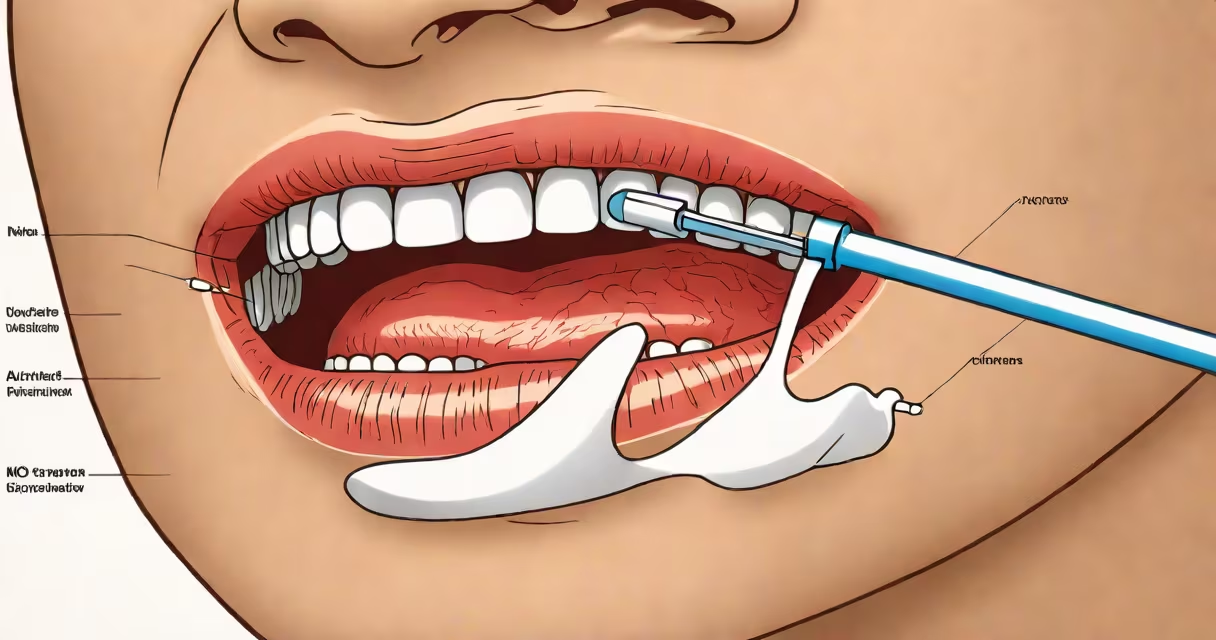
Healthcare providers use two primary tests: the rapid strep test and throat culture. The rapid test delivers results in 10-20 minutes and detects strep A proteins in throat swabs. It's accurate but can miss up to 5% of cases.
If the rapid test is negative but suspicion remains, a throat culture is performed. This involves swabbing the back of the throat and growing bacteria in a lab. Results take 24-48 hours but are more sensitive than rapid tests.
The Centers for Disease Control and Prevention (CDC) recommends testing anyone with sore throat and at least two of the following: fever, swollen lymph nodes, absence of cough, or tonsillar exudate. These criteria reduce unnecessary antibiotic prescriptions.
Strep throat often presents with sudden onset of pain, difficulty swallowing, and visible white or yellow patches on the tonsils. Fever above 101°F (38.3°C) is common, especially in children.
However, a cough is rare with strep. If you have a cough, runny nose, hoarseness, or conjunctivitis, the cause is likely viral. Viral infections account for 70-85% of sore throats in adults and most in children.
One key distinction: strep doesn't cause nasal congestion. If your nose is stuffy, it's unlikely to be strep. Also, strep-related fatigue is usually mild compared to the intense sore throat. Persistent fatigue may indicate another condition like mononucleosis.
| Symptom | More Likely Strep | More Likely Viral |
|---|---|---|
| Fever >101°F | Yes | No |
| Cough | No | Yes |
| Nasal congestion | No | Yes |
| Hoarseness | No | Yes |
| White patches on tonsils | Yes | No |
Don't rely on home remedies or symptom checkers to diagnose strep. Antibiotics are ineffective against viruses and contribute to antibiotic resistance when used incorrectly.
I once treated a patient who delayed care for five days because they assumed their sore throat was "just a cold." By then, they had a high fever, neck stiffness, and enlarged lymph nodes. A rapid test confirmed strep. They recovered quickly after starting penicillin.
Seek care if symptoms last longer than 48 hours, worsen after initial improvement, or include difficulty breathing, drooling, or inability to swallow saliva. Children under 3 should be evaluated promptly due to higher risk of complications.
A positive rapid test means strep is confirmed. Most people start feeling better within 24-48 hours of beginning antibiotics. Completing the full course is critical-even if symptoms disappear early.
Antibiotics reduce contagiousness within 24 hours and lower the risk of spreading to others. Without treatment, strep can remain contagious for up to 2-3 weeks.
Some people worry about side effects. Penicillin is safe for most, with common reactions limited to mild nausea or rash. For those allergic, alternatives like azithromycin are effective and well-tolerated.
Strep throat is treatable and preventable. Knowing the signs and getting tested ensures proper care and reduces risks to you and others.