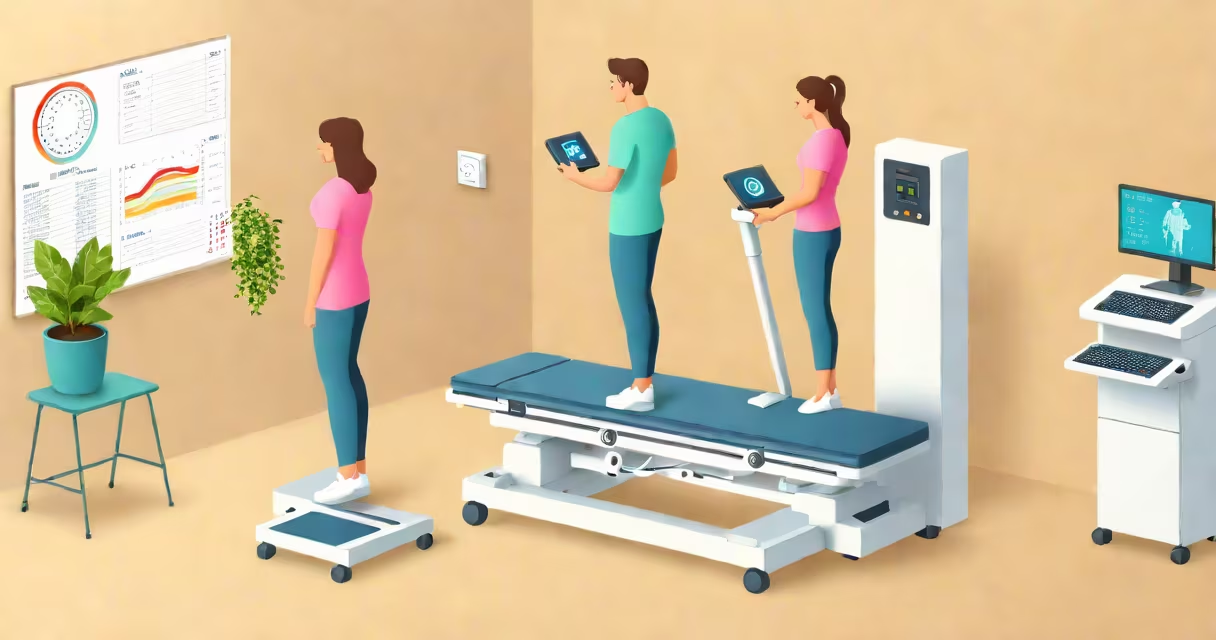
Lean body mass is the total weight of your body minus fat - including muscle, bone, organs, and water. To know your lean body mass, measure it using tools like DEXA scans, bioelectrical impedance, or skinfold calipers. These methods estimate fat-free mass based on physical properties or body composition data.
Measuring lean body mass accurately requires more than guessing. The most reliable method is dual-energy X-ray absorptiometry (DEXA), which uses low-dose radiation to differentiate between fat, muscle, and bone. A DEXA scan measures your entire body's composition with 98% accuracy, according to the National Institutes of Health (NIH).
For everyday use, handheld bioelectrical impedance analysis (BIA) scales estimate lean mass by sending a weak electrical current through your body. Muscle conducts electricity better than fat, so the device calculates lean mass based on resistance. While convenient, BIA can vary by up to 5% depending on hydration levels, time of day, and device quality.
DEXA scanning remains the gold standard for body composition. It takes about 15 minutes and delivers detailed reports showing lean mass distribution across limbs, trunk, and arms. A 2021 study published in Journal of Clinical Densitometry confirmed DEXA's consistency across diverse populations, including athletes and older adults.
Bioelectrical impedance scales are widely available and cost under $100. They work by placing electrodes on your feet and hands. When you step on, a small current flows through your body. The scale measures how quickly the current travels - faster in muscle, slower in fat. Results depend heavily on protocol: fasting, no exercise, and consistent timing improve reliability.
Skinfold calipers offer a low-cost alternative. Trained technicians pinch skin at sites like the biceps, triceps, and subscapular area. Measurements are plugged into equations such as the Jackson-Pollock 7-site formula. This method has a margin of error around ±3% compared to DEXA, per research from the American Council on Exercise (ACE).
| Method | Accuracy vs. DEXA | Cost | Best For |
|---|---|---|---|
| DEXA Scan | ±1% | $100-$200 | Clinical assessment, research, athletic monitoring |
| BIA Scale | ±5% | $50-$150 | Home tracking, weekly trends |
| Skinfold Calipers | ±3% | $20-$50 | Field testing, fitness assessments |
Many people assume their bathroom scale shows lean mass. It doesn't. Scales measure total body weight - fat, muscle, bone, and fluid combined. A 180-pound person with 20% body fat has 144 pounds of lean mass. But a scale won't tell you that unless paired with a body fat estimator.
Another mistake is relying solely on BMI. A BMI of 25 falls in the "normal" range, but someone with high muscle mass may have a normal BMI while carrying significant fat. A 6-foot-tall man weighing 220 pounds with 15% body fat has a BMI of 29.4 - classified as overweight - yet his lean body mass is 187 pounds. He's metabolically healthy, but BMI mislabels him.
Here's a real-world example: I used a BIA scale during a 12-week strength training program. My weight stayed steady at 175 pounds, but lean mass rose from 142 to 151 pounds. Fat dropped from 33 to 24 pounds. Without tracking lean mass, I'd have assumed no progress. Knowing my lean body mass revealed actual gains.
Once you know your lean body mass, track changes over time. A gain of 2-3 pounds in lean mass over 8 weeks indicates effective resistance training and nutrition. A drop suggests inadequate protein intake or overtraining.
If you're unsure how to interpret your numbers, consult a certified sports dietitian or clinical exercise physiologist. They can adjust your training and meal plan based on lean mass goals. For example, aiming for 160 pounds of lean mass at 180 pounds total weight means targeting 11% body fat - a common goal for endurance athletes.
Remember: knowing your lean body mass isn't about chasing numbers. It's about understanding your body's response to diet and exercise. Track trends, not single readings. A single BIA reading can fluctuate due to hydration. Consistent measurement under the same conditions reveals real change.
Understanding how to know my lean body mass starts with choosing the right tool. DEXA offers precision. BIA provides convenience. Skinfold calipers deliver affordability. Match the method to your goal. Track consistently. Act on data, not guesswork.