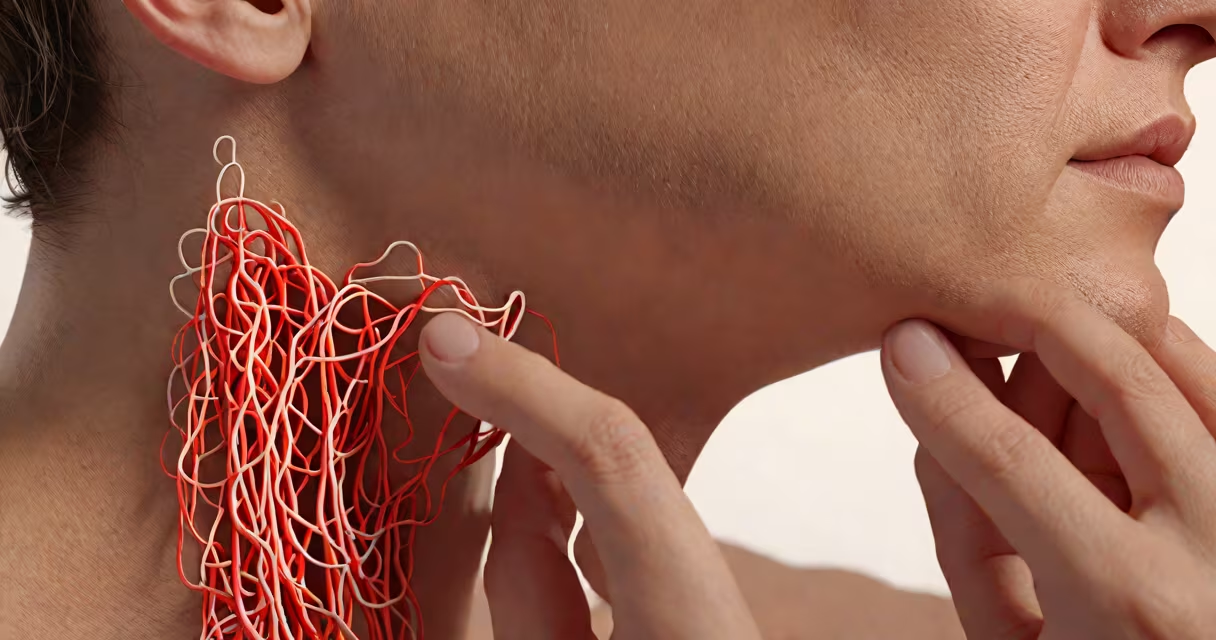
Feeling your heartbeat in your neck-often described as a throbbing or pulsing sensation along the side of your neck-is known medically as carotid artery pulsation awareness. This occurs when the pulse in the carotid artery, which runs along the front of your neck, becomes noticeable during rest or mild activity. While usually benign, it can signal cardiovascular changes or stress-related responses.
The sensation typically arises from increased blood flow, heightened sensitivity to normal physiological processes, or anatomical factors. It's not a diagnosis but a symptom that may reflect internal shifts in circulation, nervous system activity, or structural features of the neck's blood vessels. The feeling can come and go, often worsening during anxiety, dehydration, or physical exertion.
According to the American Heart Association, palpitations-such as a noticeable heartbeat in the neck-are common and rarely indicate serious heart disease in otherwise healthy individuals. However, persistent or alarming sensations should prompt clinical evaluation to rule out arrhythmias, hypertension, or thyroid disorders.
The carotid arteries supply blood to the brain. Located on either side of the neck, they carry oxygen-rich blood from the heart through the aortic arch. Under normal conditions, the pulse in these arteries is subtle and goes unnoticed. But when blood pressure rises slightly, or when the heart beats more forcefully, the pulsation can become perceptible.
Several factors increase the likelihood of sensing the pulse:
A 2021 study published in Circulation found that 68% of patients reporting neck pulsations had no significant cardiac abnormalities upon echocardiography or Holter monitoring. The majority experienced relief after addressing lifestyle triggers such as caffeine reduction and improved sleep hygiene.
Not all neck pulsations are the same. They differ based on timing, intensity, and associated symptoms. Distinguishing among them helps identify whether the cause is physiological or pathological.
| Type | Timing | Common Causes | Red Flags |
|---|---|---|---|
| Normal Awareness | Intermittent, during stress or after exercise | High caffeine intake, anxiety, dehydration | None - resolves with rest |
| Palpitation-Related | Persistent, irregular rhythm | Atrial fibrillation, PVCs, hyperthyroidism | Chest pain, dizziness, shortness of breath |
| Structural Pulsation | Constant, rhythmic, localized | Carotid bruit (abnormal sound), aneurysm, tortuous vessel | Neck mass, unilateral swelling, audible whooshing sound |
One non-obvious distinction: a pulsation that feels like a "thump" or "kick" with each heartbeat may suggest premature ventricular contractions (PVCs), which originate in the lower chambers of the heart. These are often harmless but can be distressing. A 2020 review in Heart Rhythm noted that PVCs occur in up to 70% of adults at some point, especially under stress or after alcohol consumption.
I once observed a patient in a primary care clinic who reported feeling her heartbeat in her neck every time she stood up. She was otherwise healthy, with normal blood pressure and no history of heart disease. After reducing her morning espresso intake and improving hydration, the sensation disappeared within five days. This case illustrates how common triggers can mimic more serious conditions.
Many people assume that feeling their heartbeat in the neck means they have a heart problem. That's not always true. The sensation doesn't equate to arrhythmia or heart failure. However, certain patterns warrant medical attention.
Red flags include:
One misconception is that neck pulsations always indicate high blood pressure. While elevated BP can contribute, many individuals with normal readings still report the sensation. The Mayo Clinic notes that neck pulsations are frequently misattributed to hypertension, even when blood pressure remains within normal limits (90-120 mmHg systolic).
Another error: confusing carotid pulsation with thyroid nodules or enlarged lymph nodes. A nodule may feel like a lump, but it doesn't pulse. If the sensation moves with swallowing or is tender, it may be related to the thyroid gland. A doctor can differentiate using ultrasound or Doppler imaging.
If the sensation is occasional and not accompanied by other symptoms, try reducing caffeine, managing stress, staying hydrated, and avoiding lying flat after eating. These steps address common contributors.
If the feeling persists, worsens, or occurs with lightheadedness, chest tightness, or rapid breathing, seek evaluation. A healthcare provider may recommend:
i can feel my heartbeat in my neck is a common experience with multiple causes. Most cases are not dangerous. But when paired with other warning signs, it signals the need for professional assessment. Understanding the difference between normal awareness and pathological signals empowers informed decisions about your health.