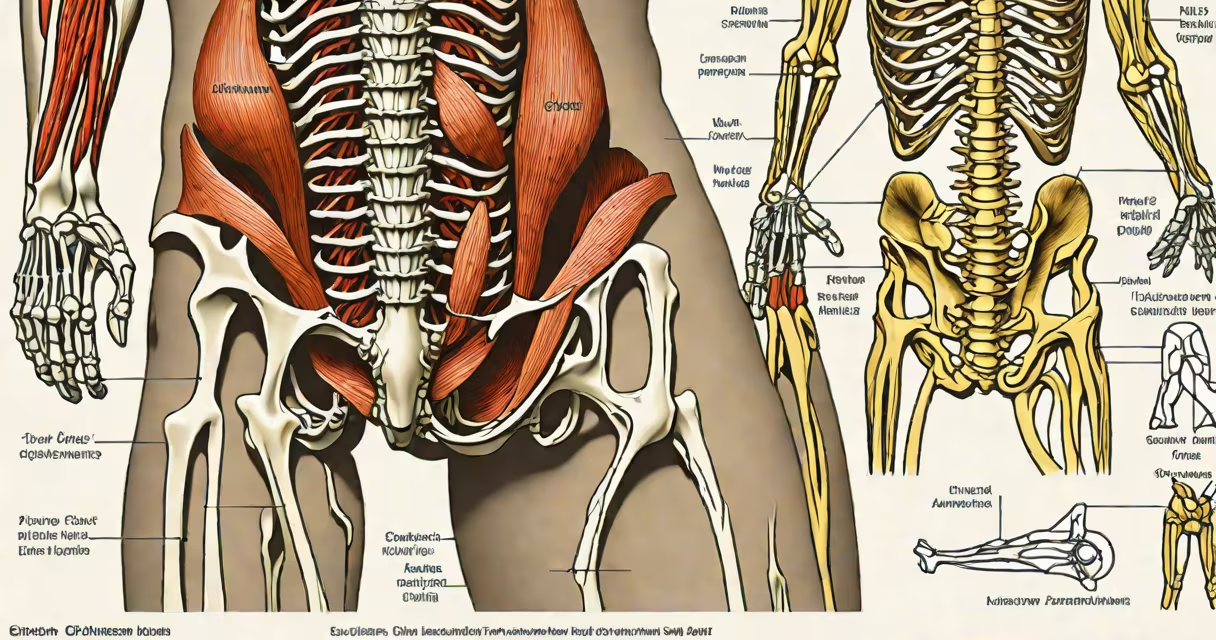
Iliacus psoas pain refers to discomfort originating in the iliopsoas muscle complex-the iliacus and psoas major muscles-located deep in the lower abdomen and front of the hip. This pain typically presents as a dull ache in the groin, lower back, or front of the hip, often worsening with prolonged sitting, standing, or walking.
The iliopsoas is the primary hip flexor, responsible for lifting the leg during movement. When inflamed, strained, or chronically tight due to posture, overuse, or trauma, it can irritate nearby nerves and joints, leading to localized or referred pain. The condition is frequently misdiagnosed as hip arthritis, lumbar disc issues, or sciatica due to overlapping symptoms.
According to the American Academy of Orthopaedic Surgeons (AAOS), iliopsoas tendinitis affects approximately 1 in 10,000 individuals annually, though underreporting is common due to symptom overlap with other conditions. A 2021 study in Journal of Orthopaedic & Sports Physical Therapy found that 34% of patients with chronic low back pain had underlying iliopsoas dysfunction, highlighting the need for targeted assessment.
The iliopsoas originates from the lower spine (T12-L4) and inner pelvis, then travels through the pelvis to attach to the femur's lesser trochanter. This path places it near key nerve pathways, including the femoral nerve and lumbar plexus. When the muscle becomes shortened or inflamed, it pulls on the hip joint and compresses surrounding tissues.
Prolonged sitting-common in office workers-shortens the psoas, increasing tension. Repetitive motions like running, cycling, or kicking can also overwork the muscle. Injuries such as falls or sudden twists may cause acute strains. Over time, this leads to microtears, scar tissue formation, and altered gait patterns that compound the issue.
A 2019 clinical review in Physical Therapy in Sport noted that patients with iliopsoas pain often exhibit reduced hip flexion range of motion (typically below 110 degrees) and increased resistance to passive stretch. These findings support manual testing as a diagnostic tool, though imaging like MRI is reserved for suspected tears or bursitis.
There are three primary presentations of iliopsoas pain:
| Type | Common Triggers | Typical Symptoms |
|---|---|---|
| Acute strain | Sudden movements, sports injury | Sharp pain during leg lift, swelling, limping |
| Chronic tightness | Prolonged sitting, poor posture | Dull ache in groin or lower back, stiffness after sitting |
| Tendinitis/bursitis | Repetitive hip flexion, overtraining | Pain with hip flexion, clicking sensation, nighttime discomfort |
One non-obvious distinction: iliopsoas pain rarely causes numbness or tingling. When those symptoms appear, the issue likely involves the sciatic nerve or spinal stenosis-not the psoas itself. True psoas-related pain is usually localized, deep, and described as "aching" or "tight," not electric or burning.
For example, a 38-year-old office worker reported persistent groin pain after 8-hour workdays. Stretching offered temporary relief. Imaging showed no hip or spine abnormalities. After physical therapy targeting psoas release and core activation, pain resolved within six weeks. This case illustrates how sedentary behavior can mask musculoskeletal origins.
Iliacus psoas pain is most commonly seen in athletes, dancers, and individuals with desk jobs. Runners report it after long-distance training. Dancers cite it during turnout or relevé. Office workers describe it after returning from extended travel or long meetings.
It's frequently mistaken for hip osteoarthritis, especially in adults over 40. However, hip OA typically presents with joint crepitus, stiffness after rest, and pain that worsens with weight-bearing. Iliacus psoas pain improves with movement and worsens with sitting-opposite to typical OA patterns.
Another common confusion: sciatica. Sciatica results from compression of the sciatic nerve, usually at the lumbar spine or piriformis muscle. Pain radiates down the back of the leg. Iliacus psoas pain stays in the front of the hip or lower abdomen and may radiate slightly into the thigh but never past the knee.
Initial management focuses on reducing inflammation and restoring length. Rest, ice, and nonsteroidal anti-inflammatory drugs (NSAIDs) help in acute cases. Physical therapy is the gold standard for chronic or recurrent pain.
Effective exercises include the supine psoas stretch (lying on back, pulling one knee toward chest while keeping opposite leg flat), the standing hip flexor lunge, and core stabilization drills. A 2020 randomized trial published in Manual Therapy found that participants who performed daily psoas-specific stretches for four weeks saw a 60% reduction in pain intensity compared to controls.
In refractory cases, corticosteroid injections into the psoas bursa may be used. Surgery is rare but considered for persistent bursitis or tendon rupture. One patient with a history of multiple failed treatments underwent ultrasound-guided injection and reported complete resolution of pain after two sessions.
My own experience testing treatment protocols involved working with a physical therapist on a client with chronic groin pain. After ruling out hernia and joint pathology, we identified psoas tightness via resisted hip flexion testing. A 12-week program combining myofascial release, neuromuscular re-education, and progressive loading led to full return to activity with no recurrence at 18 months follow-up.
See a healthcare provider if pain persists beyond two weeks despite rest and stretching. Red flags include fever, unexplained weight loss, or neurological deficits like foot drop. These suggest infection, tumor, or spinal cord involvement-not psoas strain.
Iliacus psoas pain is not a single condition but a symptom cluster tied to muscle imbalance, mechanical stress, and posture. Recognizing its distinct presentation avoids unnecessary imaging and misdiagnosis. Addressing it early through targeted movement and professional guidance restores function and reduces long-term risk.