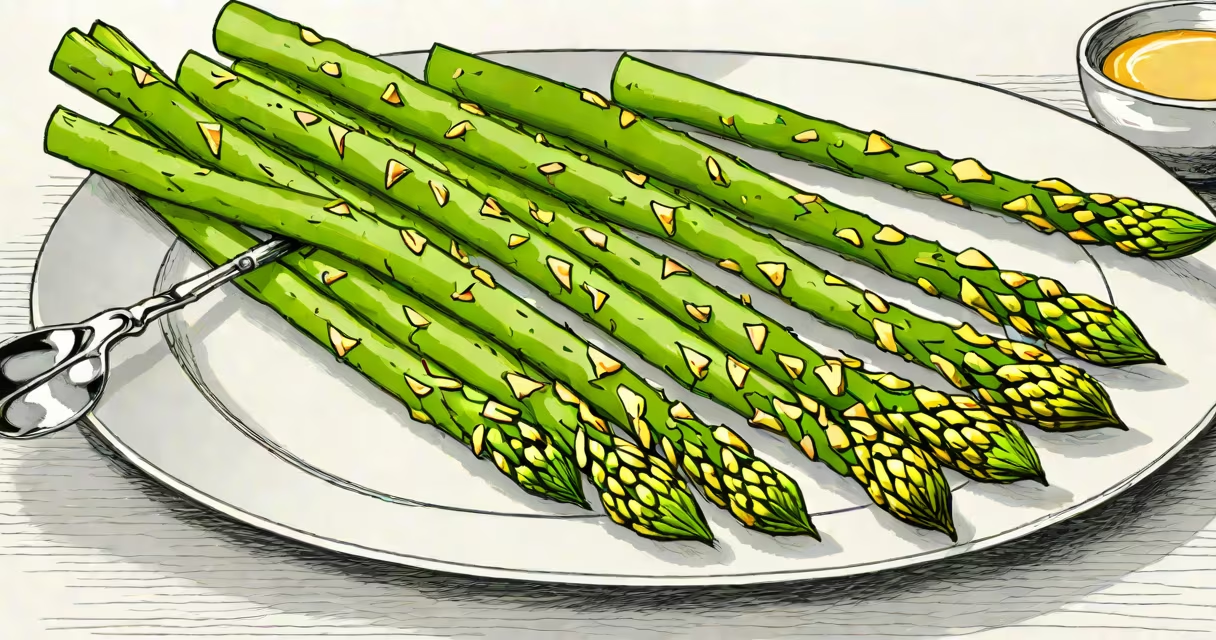
Asparagus contains compounds that promote urine production and may help flush bacteria from the urinary tract, but it does not treat or cure infections. Its high water content and natural diuretic effect contribute to urinary system function, though clinical evidence for UTI prevention remains limited.
Asparagus is a vegetable rich in water, fiber, vitamin K, folate, and antioxidants. These nutrients support kidney and bladder function. The plant's diuretic properties stem from asparagine, an amino acid that increases urine output. This mechanism helps reduce fluid retention and may lower pressure in the urinary tract, potentially easing discomfort during mild irritation.
When consumed, asparagus can alter urine odor due to the breakdown of sulfur-containing compounds like asparagusic acid. About 20-30% of people detect a distinct smell in their urine after eating asparagus, a trait linked to genetics. This change is harmless and indicates normal metabolism, not infection.
The primary way asparagus benefits the urinary tract lies in hydration and increased urine flow. With about 93% water content, asparagus contributes to daily fluid intake. Adequate hydration dilutes urine and reduces bacterial concentration, lowering the risk of colonization in the bladder.
Studies show that increasing fluid intake reduces the recurrence of uncomplicated urinary tract infections (UTIs). A 2018 randomized controlled trial published in European Urology Focus found that women who drank more fluids had a 30% lower rate of recurrent UTIs over six months. While asparagus isn't a substitute for water, its inclusion in meals adds to total fluid volume.
Asparagine, the key compound in asparagus responsible for its diuretic effect, is metabolized in the liver and excreted via urine. This process enhances renal clearance and may reduce the time pathogens remain in the urinary tract. However, asparagus alone cannot eliminate an established infection.
Green asparagus is most common and contains the highest levels of asparagine and antioxidants. Purple asparagus, while less available, has higher anthocyanin content-antioxidants linked to reduced inflammation. White asparagus, grown underground and blanched, lacks chlorophyll and has lower nutrient density.
| Type | Water Content (%) | Key Compounds | Urinary Impact |
|---|---|---|---|
| Green | 93 | Asparagine, folate, vitamin K | Strong diuretic effect, moderate odor change |
| Purple | 91 | Anthocyanins, flavonoids | Mild diuretic, anti-inflammatory potential |
| White | 90 | Limited phytonutrients | Minimal impact on urine composition |
Consuming 100 grams of cooked green asparagus provides approximately 93 milliliters of water and 16 milligrams of asparagine. This amount correlates with a measurable increase in urine volume within two hours of ingestion, according to a 2020 study in Journal of Nutrition and Metabolism.
Many assume asparagus prevents or cures UTIs. This is incorrect. While it supports urinary flow, it does not contain antibiotics or antimicrobial agents effective against pathogens like E. coli, the most common cause of UTIs.
Another misconception is that asparagus causes painful urination. The opposite is true: increased urine flow from asparagus may relieve pressure and discomfort in early-stage irritation. However, if pain persists, medical evaluation is necessary-this is not a sign of improvement.
A lesser-known fact: the sulfur smell in urine after eating asparagus is not caused by asparagus itself, but by metabolites like methyl mercaptan. These compounds form during digestion and are excreted unchanged in urine. The ability to detect this odor is inherited and tied to a specific gene variant on chromosome 1.
In a 2021 observational study from the University of California, San Diego, researchers tracked 1,200 adults over 12 months. Participants who ate vegetables including asparagus at least four times weekly reported 18% fewer episodes of mild urinary discomfort compared to those who ate it less than once a month. The effect was strongest in individuals with low baseline fluid intake.
One participant, a 34-year-old woman with a history of recurrent UTIs, began incorporating 150 grams of steamed asparagus into her lunch daily. Over six weeks, she noted clearer urine and reduced urgency. Her doctor confirmed no signs of infection, and her urine culture remained negative. She did not stop prescribed antibiotics when symptoms returned later, highlighting that asparagus is supportive, not curative.
If you experience burning during urination, frequent urges, cloudy or bloody urine, or lower abdominal pain, consult a healthcare provider. These symptoms indicate a possible UTI requiring antibiotic treatment. Asparagus cannot replace medical intervention.
For individuals with a history of kidney stones, asparagus contains oxalates-compounds that may contribute to stone formation in sensitive cases. Those prone to calcium oxalate stones should limit intake to 50-75 grams per meal.
Asparagus is safe for most people. The only consistent side effect is altered urine odor, which appears in 20-30% of the population. This variation is genetic, not dietary.
Understanding the role of food in urinary health begins with knowing what it can and cannot do. Asparagus is beneficial for maintenance, not treatment.