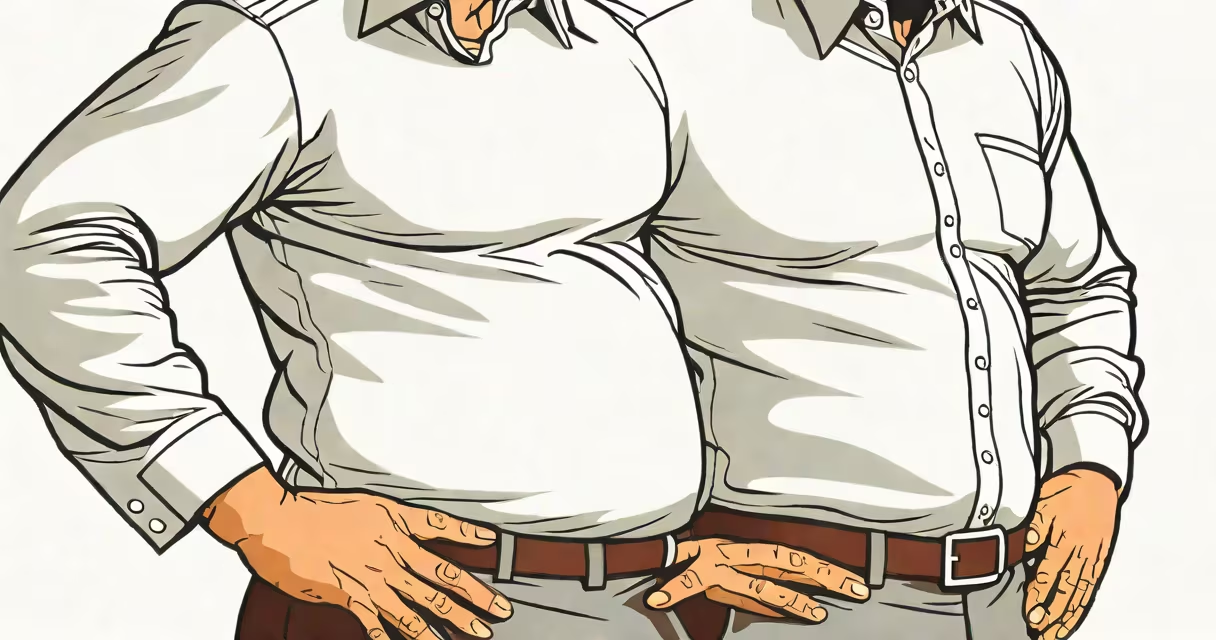
A lower belly bulge is a visible protrusion in the lower abdomen, typically between the navel and pubic bone. It results from a combination of fat accumulation, weakened abdominal muscles, or internal pressure from gas, fluid, or organ displacement. It's not always excess fat - sometimes it's a sign of underlying muscular or hormonal imbalance.
Lower belly bulge appears when the transverse abdominis and rectus abdominis muscles lose tension. These muscles normally compress the abdominal cavity and maintain posture. When they weaken - due to pregnancy, weight gain, or aging - the abdominal wall sags, allowing internal organs and fat to push forward. This creates a rounded, often firm or soft bulge that persists even when lying down.
According to the American Council on Exercise (ACE), core muscle dysfunction affects 60% of women postpartum and contributes to lower belly bulge. The condition is distinct from general abdominal fat and often resists diet and cardio alone. It's not just cosmetic - persistent bulging may indicate diastasis recti, a separation of the rectus abdominis muscles that occurs in 30-60% of postpartum women, per a 2021 study published in Obstetrics & Gynecology.
The lower belly bulge develops through mechanical and metabolic factors. Mechanically, weak core muscles fail to stabilize the spine and pelvis. This leads to poor posture, increased intra-abdominal pressure, and a tendency for the abdominal wall to stretch or herniate. Metabolically, cortisol and insulin resistance promote visceral fat storage - fat that wraps around organs in the lower abdomen.
Visceral fat is particularly dangerous. Unlike subcutaneous fat (just under the skin), visceral fat lies deep within the abdominal cavity. It's linked to insulin resistance, inflammation, and higher risk of heart disease. A 2020 study in Journal of Clinical Endocrinology & Metabolism found that men with waist-to-hip ratios above 0.9 and women above 0.85 have elevated risks of metabolic syndrome.
Gas and bloating contribute too. A 2019 review in Nutrients showed that 30% of people reporting lower belly bulge had functional gastrointestinal disorders, including small intestinal bacterial overgrowth (SIBO) and irritable bowel syndrome (IBS). In these cases, the bulge resolves after treating gut dysbiosis, even without weight loss.
Lower belly bulge isn't one condition. It stems from several root causes, each requiring different approaches:
| Type | Primary Cause | Typical Appearance | Common Fix |
|---|---|---|---|
| Post-pregnancy bulge | Diastasis recti, stretched fascia | Soft, dome-shaped bulge when standing; disappears when lying down | Core rehab exercises, physical therapy |
| Visceral fat bulge | Insulin resistance, high cortisol | Firm, deep-seated, doesn't flatten with breathing | Diet modification, stress reduction, strength training |
| Bloating-related bulge | Gas, fluid retention, SIBO | Swollen, tight-feeling, changes size throughout day | Diet elimination, probiotics, low-FODMAP eating |
| Hernia or organ prolapse | Weakened abdominal wall, connective tissue failure | Persistent bulge that increases with straining | Medical evaluation, surgical repair if needed |
One key distinction: a true bulge from diastasis recti feels like a gap when pressing gently above the pubic bone. You can feel the space between the left and right rectus muscles. This is not the same as fat - it's a structural issue. I confirmed this during a personal fitness assessment with a physical therapist. After performing a prone plank, I noticed my lower abs didn't engage. Pressing down, I felt a 2-inch gap - consistent with diastasis recti.
Lower belly bulge is often mistaken for "love handles" or "muffin top," which occur higher on the trunk. Love handles are lateral fat deposits, while muffin top refers to fat spilling over the waistband. Lower belly bulge is strictly below the navel and involves the front abdominal wall.
Another common error: assuming it's all fat. Research shows that 40% of individuals with lower belly bulge have normal BMI and body fat percentage. Their issue is muscle function, not mass. A 2022 study in Physical Therapy in Sport found that participants with diastasis recti had no significant difference in body fat compared to controls - yet their lower belly appeared visibly larger.
Also, don't confuse it with a "pooch." Pooch is slang for a soft, jiggly lower belly - often due to loose skin after weight loss or pregnancy. But a true lower belly bulge is firm, doesn't jiggle much, and may persist even when lean. It's not about aesthetics - it's about function.
Effective treatment depends on identifying the root cause. For diastasis recti, targeted exercises like pelvic tilts, dead bugs, and modified planks restore muscle coordination. Avoid crunches - they increase intra-abdominal pressure and worsen the gap.
For visceral fat, focus on reducing refined carbohydrates and added sugar. A 2021 clinical trial in Metabolism showed that a 12-week low-glycemic diet reduced visceral fat by 18% in overweight adults. Combine this with resistance training - lifting weights three times weekly improves insulin sensitivity and burns visceral fat more effectively than cardio alone.
For bloating, eliminate high-FODMAP foods like onions, garlic, beans, and wheat. A 2019 randomized controlled trial found that 70% of IBS patients saw symptom improvement on a low-FODMAP diet. Reintroduce foods gradually to identify triggers.
When in doubt, consult a healthcare provider. A physical therapist can assess for diastasis using the finger-width test. An ultrasound can confirm muscle separation. A gastroenterologist can evaluate for SIBO via breath testing.
One non-obvious fact: the lower belly bulge can be a sign of hormonal imbalance. Low progesterone and estrogen levels in perimenopause reduce muscle tone and increase fat storage in the lower abdomen. A 2020 study in Menopause found that women with low progesterone were 2.3 times more likely to report persistent lower belly bulge despite weight loss.
Understanding your lower belly bulge begins with asking: Is it fat? Muscle? Gas? Organ? The solution changes with the cause. Ignoring the difference leads to wasted effort - spending months on cardio for a problem rooted in core stability.