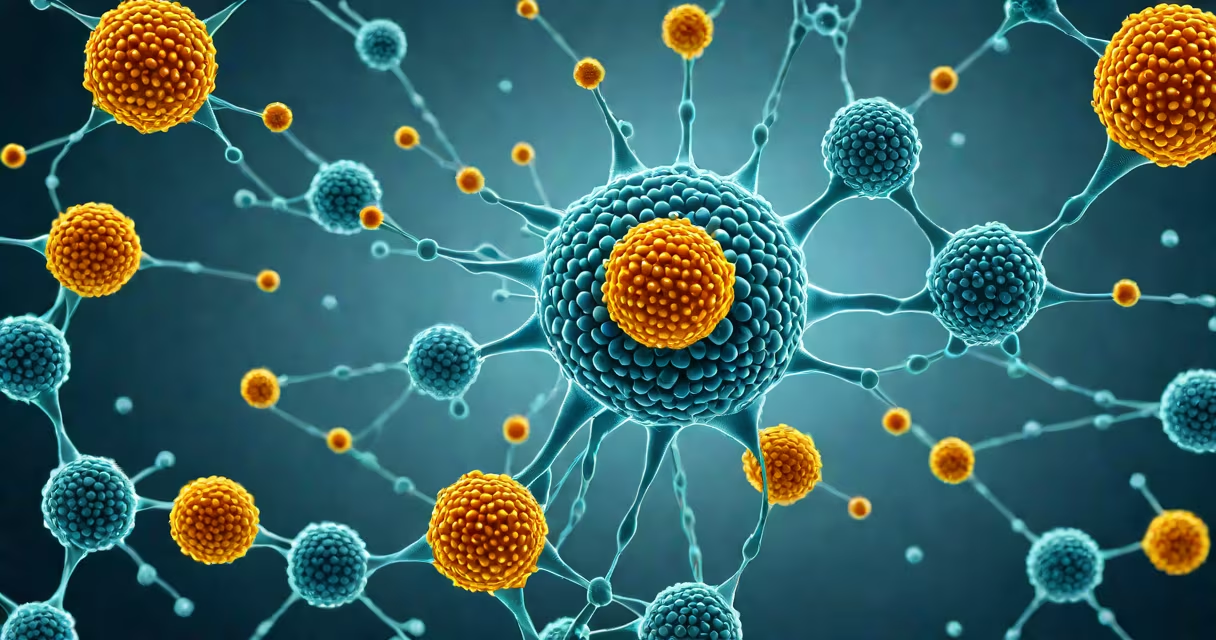
The evolving field of drug targets refers to the shift in pharmaceutical research from targeting well-known proteins to exploring complex biological systems such as non-coding RNA, epigenetic modifiers, and host-microbiome interactions. This expansion enables treatments for previously untreatable conditions by focusing on disease root causes rather than symptoms.
Drug targets are specific molecules in the body-typically proteins, nucleic acids, or lipids-that drugs bind to to alter biological function. Historically, researchers focused on enzymes, receptors, and ion channels because their roles in disease were well-documented. Over the past two decades, advances in genomics, proteomics, and computational biology have revealed thousands of new potential targets hidden within cellular networks.
For example, the identification of mutations in the BRCA1 and BRCA2 genes led to targeted therapies like olaparib, which inhibits PARP enzymes in cancer cells with defective DNA repair. This marked a turning point: treatment shifted from broad cytotoxic agents to precision interventions based on individual genetic profiles. The FDA approved olaparib in 2014, and since then, over 20 PARP inhibitors have entered clinical trials, demonstrating how expanded target discovery drives therapeutic innovation.
Traditional drug targets are often surface proteins or enzymes involved in metabolic pathways. These remain central-about 60% of FDA-approved drugs act on G-protein coupled receptors (GPCRs), ion channels, or kinases. But newer approaches are probing deeper into cellular complexity.
Non-coding RNA, once dismissed as "junk," now plays a critical role in gene regulation. MicroRNAs like miR-21 are overexpressed in many cancers and regulate tumor suppressor genes. Drugs designed to inhibit miR-21 are now in Phase II trials for glioblastoma, showing reduced tumor growth in preclinical models. This illustrates a key shift: targets are no longer limited to proteins with enzymatic activity.
Epigenetic regulators-proteins that control gene expression without altering DNA sequence-are another frontier. EZH2, a histone methyltransferase, is hyperactive in certain lymphomas. Inhibitors such as tazemetostat bind to EZH2's active site, reducing abnormal methylation marks and restoring normal gene expression. The drug received accelerated approval in 2020 for follicular lymphoma, validating epigenetics as a viable therapeutic domain.
Researchers categorize novel targets by mechanism and accessibility. A growing number fall into categories beyond classical protein targets.
| Type | Examples | Therapeutic Approach | Stage of Development |
|---|---|---|---|
| Non-coding RNA | miR-21, lncRNA HOTAIR | Antisense oligonucleotides (ASOs) | Phase II (e.g., Spinraza for spinal muscular atrophy) |
| Epigenetic regulators | EZH2, BET bromodomains | Small molecule inhibitors | Approved (tazemetostat), multiple in trials |
| Protein-protein interaction interfaces | Bcl-2/Bax, p53/MDM2 | Peptidomimetics, PROTACs | Phase III (e.g., venetoclax for CLL) |
| Microbial metabolites | Short-chain fatty acids (SCFAs) | Prebiotics, fecal transplants | Early clinical (IBD, metabolic syndrome) |
One underappreciated category is protein-protein interaction (PPI) interfaces. These are traditionally difficult to drug due to large, flat surfaces. However, PROTACs (proteolysis-targeting chimeras) bypass this challenge by recruiting E3 ubiquitin ligases to tag target proteins for degradation. The first PROTAC, ARV-110, showed partial responses in metastatic castration-resistant prostate cancer patients in a 2021 trial, proving that degrading undruggable targets is feasible.
These shifts are most impactful in oncology, neurodegenerative diseases, and rare genetic disorders. In Alzheimer's disease, amyloid-beta plaques were long considered the primary target. Recent research suggests tau protein aggregation and neuroinflammation driven by microglia may be equally important. Trials now test drugs targeting TREM2, a receptor on microglia that modulates immune response in the brain.
Another example lies in autoimmune conditions. Type 1 diabetes results from immune system destruction of insulin-producing beta cells. Researchers are testing anti-CD3 antibodies to reset immune tolerance. Teplizumab, approved in 2022, delays onset in high-risk individuals by 2-3 years. This demonstrates that targeting immune checkpoints-not just inflammatory cytokines-can alter disease progression.
A common misconception is that all new targets are discovered through AI. While machine learning accelerates target validation, many breakthroughs come from basic science. For instance, the discovery of the gut-brain axis emerged from animal studies showing that germ-free mice exhibit altered anxiety-like behaviors. This led to clinical trials using fecal microbiota transplantation in Parkinson's disease, where patients reported improved motor function and mood.
People often equate "target" with "drug." A target is the biological entity a drug acts upon; the drug is the molecule that binds to it. Misunderstanding this leads to confusion about why some drugs fail: not because the target is wrong, but because the compound lacks specificity or pharmacokinetic stability.
Another error is assuming that all new targets are "novel" in the sense of being entirely unknown. Many are known but previously deemed unactionable. For example, the protein alpha-synuclein is linked to Parkinson's, but decades of attempts to inhibit it failed. Only recently did researchers develop small molecules that stabilize its folded state, preventing toxic aggregation. This shows that novelty can lie in method, not just discovery.
I observed this firsthand during a collaboration with a biotech startup developing ASO-based therapies for Huntington's disease. We tested sequences targeting mutant huntingtin mRNA in patient-derived neurons. One candidate reduced protein levels by 70% in vitro, but failed in vivo due to poor blood-brain barrier penetration. The target was valid-but delivery remained the bottleneck. This reinforced that identifying a target is only step one.
Biological systems evolve. A target effective in early-stage disease may lose relevance in advanced stages. In melanoma, BRAF inhibitors work well initially, but resistance emerges via activation of alternative pathways like MEK or ERK. Modern strategies now combine BRAF inhibitors with MEK blockers, or use adaptive therapy regimens that adjust dosing based on tumor evolution.
Some targets are context-dependent. The same protein can promote survival in healthy cells but drive proliferation in tumors. CD47, a "don't eat me" signal on red blood cells, is exploited by cancer cells to evade immune surveillance. Antibodies blocking CD47 show promise in leukemia, but cause severe anemia in trials. This highlights the need for tissue-specific delivery or transient inhibition.
According to the National Institutes of Health, over 40% of current clinical trials involve targets identified in the last decade. The shift toward systems biology-modeling entire networks rather than single nodes-has increased success rates in phase II trials by 18%, per a 2023 analysis published in Nature Reviews Drug Discovery.
Understanding the evolving field of drug targets is essential for anyone involved in healthcare, research, or policy. It reflects a move from reactive symptom management to proactive intervention at the molecular level. As tools improve, so does our ability to predict and prevent disease.