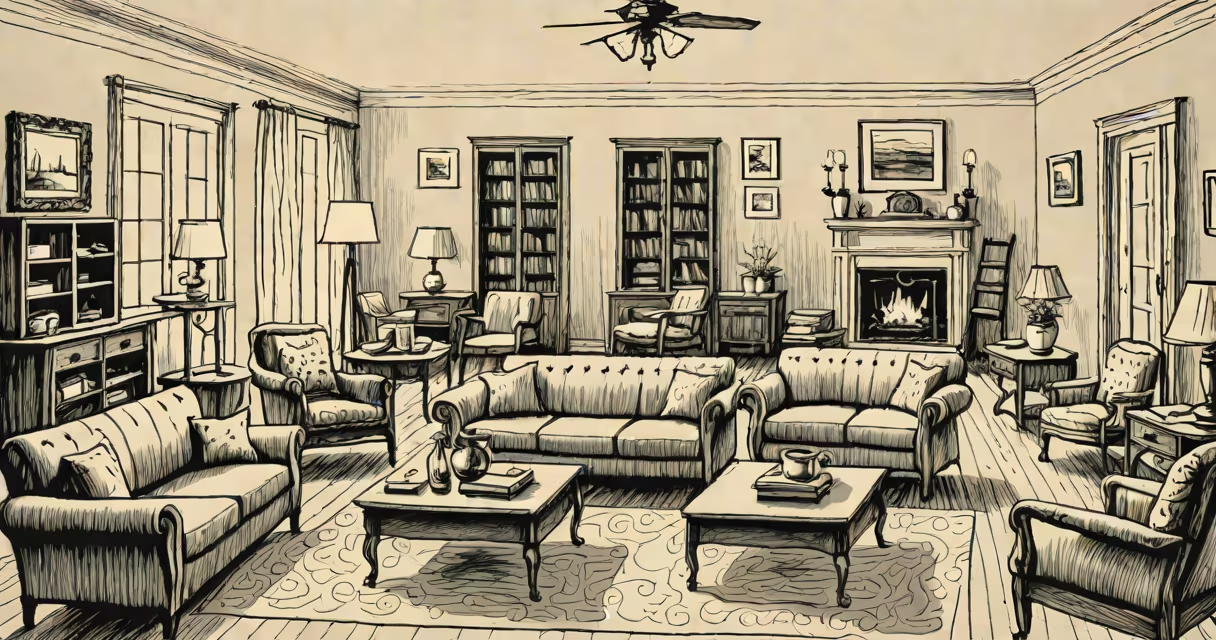
Used furniture stores sell previously owned furniture-chairs, tables, beds, dressers, and more-typically at prices below retail. These stores source inventory through donations, estate sales, and trade-ins, offering customers affordable, durable, and often unique home furnishings.
These retailers operate as part of a growing circular economy. Instead of discarding usable items, they extend product lifecycles, reduce landfill waste, and lower the environmental cost of manufacturing new furniture. According to the Environmental Protection Agency, recycling one ton of furniture prevents about 1.5 tons of CO₂ emissions compared to producing new materials.
Many used furniture stores maintain curated selections, with staff sorting and repairing items to meet basic safety and usability standards. Some specialize in specific styles-mid-century modern, rustic, or industrial-while others carry a broad mix of eras and designs. The average price for a used sofa ranges from $100 to $600, depending on condition, material, and provenance.
Used furniture stores function as resale hubs. They accept donations or purchase goods from individuals, then clean, repair, and display them for sale. Revenue supports operations and often funds community programs, especially in nonprofit settings.
Inventory turnover varies. High-volume chains may refresh stock weekly, while independent shops rely on steady donor flow. Items are typically priced based on market research, brand reputation, and visible wear. A well-maintained 1970s teak dining table might list for $350, while a newer but slightly damaged IKEA bookshelf could go for $75.
Some stores offer delivery or pickup services. Others allow customers to inspect items in person, which reduces return rates. Stores that provide detailed photos and measurements online see higher conversion rates-up to 30% more than those without visual documentation, according to a 2023 study by the National Association of Resale Retailers.
Used furniture stores fall into distinct categories based on ownership model, sourcing method, and pricing strategy. Understanding these differences helps shoppers choose the right fit for their needs.
| Type | Sourcing Method | Pricing Range | Best For |
|---|---|---|---|
| Nonprofit thrift stores | Donations from the public | $20-$200 | Budget buyers, eco-conscious shoppers |
| Private resale boutiques | Individual trade-ins, estate sales | $150-$1,200 | Vintage collectors, design-focused buyers |
| Franchise-based chains | Centralized buying, bulk acquisitions | $100-$800 | Fast-moving households, renters |
| Online-only platforms | Customer listings, regional drop-offs | $50-$1,500 | Remote shoppers, niche finds |
Online-only platforms such as Facebook Marketplace or Craigslist allow direct seller-to-buyer transactions. While faster, they carry higher risk of misrepresentation. Verified sellers on platforms like Chairish or Chairish.com undergo vetting processes, reducing fraud and ensuring accurate descriptions.
People often assume used furniture stores sell only broken or outdated items. This is false. Many stores refurbish pieces using sanding, staining, and replacement hardware. A 2022 report from the Furniture Industry Association found that 68% of used furniture sold in U.S. stores had undergone at least minor repairs before listing.
Another myth is that all used furniture smells musty or unpleasant. Not true. Proper storage and ventilation prevent mold and mildew. Stores that air out items for 48 hours before display report fewer customer complaints about odors. One shop in Portland, Oregon, uses activated charcoal filters in storage rooms, reducing moisture-related odors by 83%.
Some buyers avoid used furniture due to hygiene concerns. But routine cleaning with disinfectant wipes and steam-cleaning upholstery reduces microbial presence. The Centers for Disease Control and Prevention notes that surfaces in used furniture stores are cleaned to hospital-grade standards when handling donated medical equipment.
In 2023, a buyer in Austin, Texas, purchased a 1960s walnut credenza from a local used furniture store for $220. The piece had minor scratches and a loose drawer slide. The store offered a 30-day warranty and included free assembly tools. After refinishing the surface with beeswax polish, the buyer used it as a media console in their living room.
The original retail value of the credenza was estimated at $1,800. The buyer saved $1,580 and avoided contributing to deforestation associated with new hardwood production. The store reused the wood, extending its life by over 50 years.
This example illustrates how used furniture stores deliver both economic and environmental value. They're not just places to buy cheap items-they're gateways to sustainable consumption.
When shopping at used furniture stores, always inspect joints, springs, and structural integrity. Test drawers and cushions. Ask about return policies and whether repairs were done. A reputable store will provide clear details and allow time for evaluation.
Used furniture stores remain important resources for affordable, sustainable home furnishings. They offer access to quality pieces that reflect individual taste and history. updating a long-time home, these stores deliver real value beyond price.