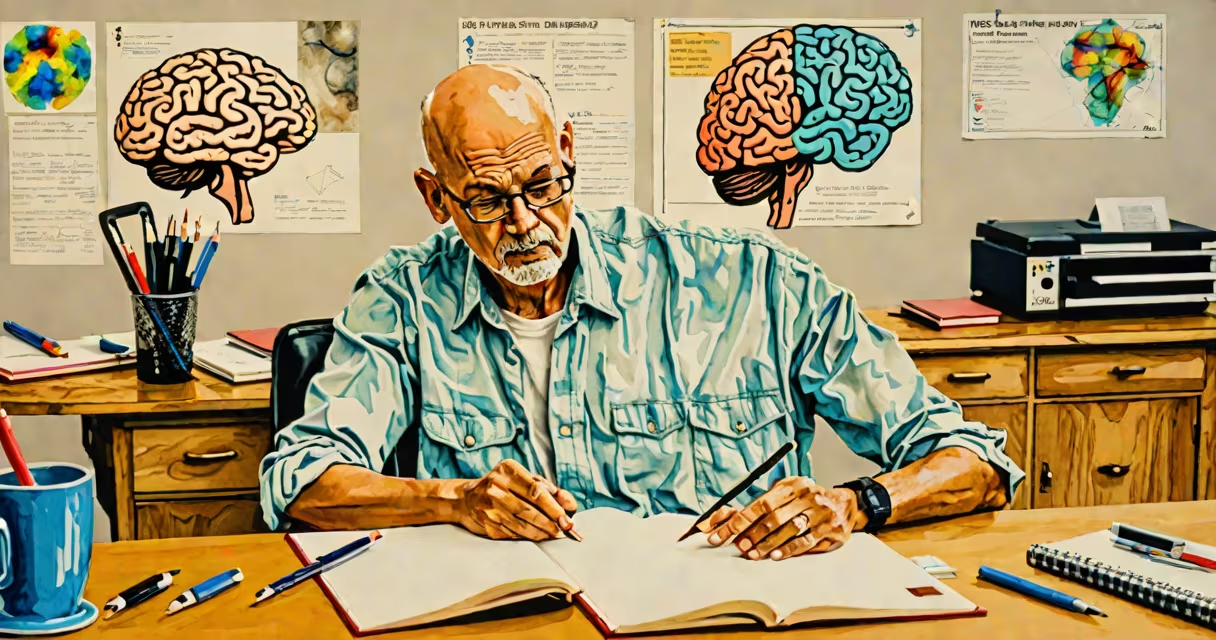
A tbi survivor is a person who has sustained a traumatic brain injury and is living with its lasting effects, whether physical, cognitive, emotional, or behavioral. The term emphasizes endurance and ongoing adaptation rather than a medical diagnosis.
Traumatic brain injury results from external force-such as a fall, car accident, or assault-that disrupts normal brain function. The term "survivor" acknowledges both the physical survival of the event and the psychological and neurological challenges that follow. It's not a clinical label but a lived identity adopted by individuals reclaiming agency after injury.
According to the Centers for Disease Control and Prevention (CDC), approximately 6.3 million Americans live with a disability related to TBI annually. Many of these individuals identify as survivors, reflecting a shift from passive patient status to active participation in their recovery process.
Survivor status emerges after the acute phase of injury ends. Most people recover within weeks to months, but about 50% experience persistent symptoms beyond six months. These lingering issues-memory lapses, fatigue, mood swings, difficulty concentrating-define the ongoing challenge of being a survivor.
The brain's ability to reorganize itself through neuroplasticity allows some functions to be rerouted to healthy areas. This process underpins rehabilitation efforts such as cognitive therapy, speech training, and physical exercise. However, recovery is rarely linear. Flare-ups during stress or overexertion are common, reinforcing the need for long-term management.
One individual I met at a support group in Portland had a TBI from a bicycle collision in 2018. He returned to work after nine months but still struggled with executive function. He began calling himself a survivor not because he was proud of the injury, but because the word captured his daily effort to stay functional and connected.
TBI severity is classified as mild, moderate, or severe based on loss of consciousness duration, post-traumatic amnesia, and Glasgow Coma Scale scores. Mild TBI-commonly called concussion-is the most frequent form, accounting for 75% of all cases, according to the National Institute of Neurological Disorders and Stroke (NINDS).
| Type | Duration of Unconsciousness | Post-Traumatic Amnesia | Common Symptoms |
|---|---|---|---|
| Mild | Less than 30 minutes | Less than 24 hours | Headache, dizziness, confusion, sensitivity to light |
| Moderate | 30 minutes to 24 hours | 1-7 days | Memory gaps, emotional lability, slowed processing |
| Severe | More than 24 hours | More than 7 days | Coma, seizures, prolonged cognitive deficits |
Even mild injuries can lead to long-term complications. A 2021 study published in JAMA Neurology found that individuals with a history of concussion were twice as likely to develop depression or anxiety later in life compared to those without brain trauma.
Many survivors report that their biggest challenge isn't the initial injury but the invisibility of their struggles. Friends and employers often expect full recovery within months. When symptoms persist, the lack of visible markers leads to misunderstanding and isolation.
One widespread error is equating TBI survivor status with permanent disability. Not all survivors have lasting impairments. Some return to pre-injury functioning, especially with early intervention. Others adapt through compensatory strategies-using planners, routines, and assistive tools-to maintain independence.
Another myth is that survivors are always emotionally unstable. While mood disorders are prevalent-up to 50% of TBI patients experience depression, per NINDS-this doesn't define them. Many survivors manage mental health through therapy, medication, and community support.
There's also confusion between TBI and other conditions. Post-concussion syndrome (PCS), which includes symptoms like headaches, fatigue, and cognitive fog, is often mistaken for psychiatric illness. But PCS is a neurological condition with measurable changes in brain metabolism, confirmed via SPECT imaging.
For example, a 34-year-old teacher in Austin reported chronic fatigue and memory issues after a sports-related concussion. Doctors initially suspected anxiety. Only after a PET scan revealed reduced glucose uptake in frontal regions did she receive a correct diagnosis and targeted treatment.
Rehabilitation begins with medical stabilization, then shifts to multidisciplinary care. Teams typically include neurologists, neuropsychologists, occupational therapists, and vocational counselors. Early engagement improves outcomes.
Research shows that structured cognitive rehabilitation reduces symptom burden by 30-40% over six months. Programs focus on attention, memory, and problem-solving skills using real-world tasks-like managing a budget or planning a meal.
Peer networks play a important role. Organizations like the Brain Injury Association of America offer local chapters and online forums. One participant shared that joining a survivor-led Facebook group helped her realize she wasn't alone-and that small victories, like remembering to take medication, counted as progress.
Survivors often develop new identities shaped by their experiences. Some become advocates, educators, or artists. A former software engineer in Seattle now runs a nonprofit focused on workplace accommodations for TBI survivors, citing his own return-to-work process as motivation.
The term "patient" implies passivity and dependence on care. "Survivor" reflects agency, resilience, and ongoing adaptation. This shift in language matters. It influences self-perception and how others respond.
Medical literature increasingly uses "survivor" in research contexts. A 2020 review in Neurorehabilitation and Neural Repair noted that patients who identified as survivors reported higher quality of life and greater adherence to therapy regimens.
However, not everyone embraces the label. Some find it too heavy or stigmatizing. Others prefer "person with TBI" for its neutrality. The choice is personal. What matters is that the individual's voice guides the terminology they use.
Understanding what a tbi survivor means involves recognizing both the biological reality of brain damage and the human capacity to adapt. It's not about returning to who you were-but becoming someone new, capable, and resilient.