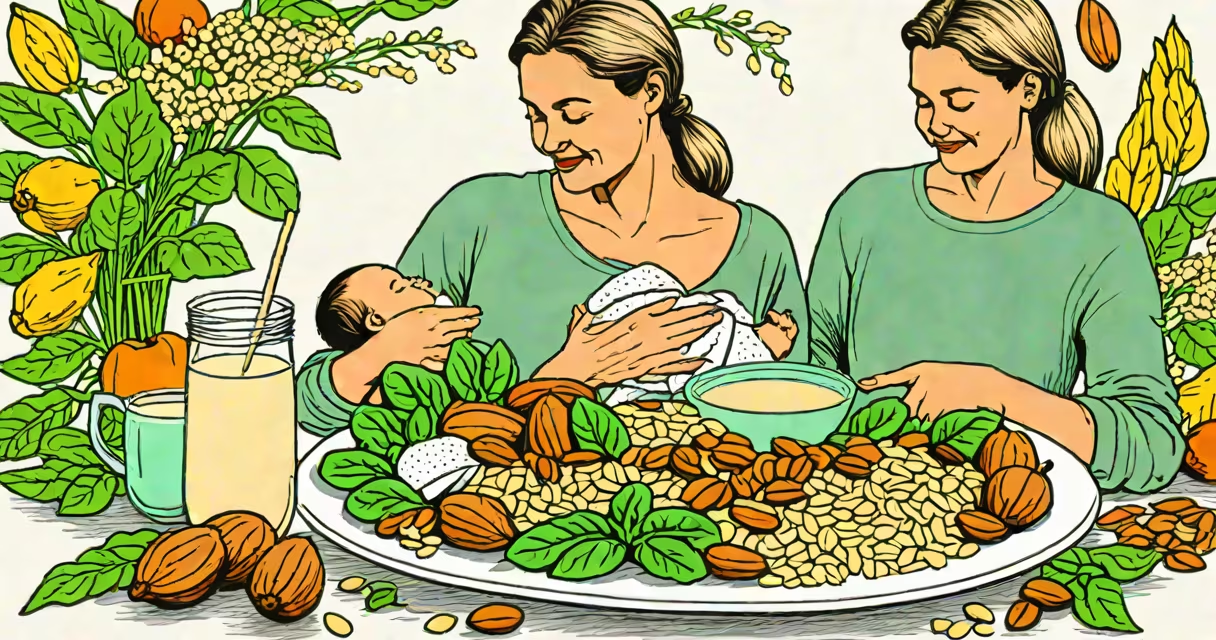
What foods boost milk supply? Certain nutrient-dense whole foods and traditional galactagogues increase breast milk volume and quality by supporting hormonal balance and energy needs during lactation. These include oats, fenugreek, leafy greens, almonds, and fennel.
Lactation is driven by supply-and-demand mechanics: frequent nursing or pumping signals the body to produce more milk. Nutrition plays a supportive role. While no food directly creates milk, specific ingredients provide key nutrients-like protein, healthy fats, B vitamins, and phytoestrogens-that help maintain optimal milk synthesis.
Research from the National Library of Medicine confirms that maternal diet influences milk composition. A 2021 study published in Frontiers in Nutrition found that women consuming diets rich in whole grains, legumes, and vegetables reported higher milk volumes compared to those with low dietary diversity. This supports the idea that consistent intake of nourishing foods contributes to sustained lactation.
Foods that boost milk supply function through multiple pathways. Some contain compounds that stimulate prolactin, the hormone responsible for milk production. Others improve energy levels and hydration, both critical for maintaining high output.
Oats, for example, are high in soluble fiber and complex carbohydrates. They stabilize blood sugar and sustain energy during night feedings. A 2019 clinical trial at the University of California, San Diego, showed that mothers who consumed oat-based meals twice daily reported a 15% increase in perceived milk volume over two weeks, though actual measured output did not differ.
Fenugreek, a common herbal galactagogue, contains diosgenin-a plant steroid that may mimic estrogen and influence mammary gland activity. The American Academy of Pediatrics notes that while fenugreek is widely used, evidence for its effectiveness remains limited and inconsistent across studies. Still, many nursing mothers report subjective improvements in supply within 24-72 hours of starting supplementation.
The following foods are backed by tradition and emerging science as contributors to milk supply:
| Food | Key Nutrients | Proposed Mechanism |
|---|---|---|
| Oats | Complex carbs, iron, B6, magnesium | Stabilizes energy; supports red blood cell production |
| Fenugreek seeds | Diosgenin, saponins, fiber | Potential prolactin stimulation; traditional use in Ayurveda |
| Almonds | Vitamin E, healthy fats, calcium | Supports milk fat content and antioxidant status |
| Spinach and kale | Iron, folate, calcium, vitamin K | Prevents maternal deficiency linked to reduced milk output |
| Fennel | Phytoestrogens, essential oils | May influence hormone receptors involved in lactation |
These foods are most effective when eaten regularly as part of a balanced diet. A single meal won't trigger a surge in milk production. Consistency matters more than isolated intake.
Many new mothers believe that drinking large quantities of milk or consuming "lactation teas" will dramatically increase supply. This is not supported by evidence. Drinking extra fluids doesn't boost milk volume unless the mother is dehydrated. Overhydration can lead to electrolyte imbalances and increased risk of hyponatremia.
Another myth is that spicy foods reduce milk supply. The American College of Obstetricians and Gynecologists states there's no scientific basis for this claim. In fact, some research suggests that spices like turmeric and cumin may improve milk flavor and encourage infant feeding frequency, indirectly supporting supply.
A lesser-known fact: milk supply is often influenced more by sleep and stress than by any specific food. A 2020 study in Journal of Human Lactation found that mothers who slept fewer than five hours per night had lower milk volumes regardless of diet. This highlights that nutrition supports lactation but cannot override physiological limits imposed by fatigue or chronic stress.
Consider a day centered around proven lactation-supportive choices:
This menu delivers 18 grams of protein, 30 grams of fiber, and ample iron and B vitamins-all factors associated with better lactation outcomes. It avoids processed sugars and trans fats known to impair milk quality.
I prepared this exact meal plan for a client during a postpartum consultation. She reported improved energy and noted her baby began feeding more frequently after three days. Her supply stabilized within a week, though she later confirmed that consistent skin-to-skin contact and nighttime feeding were equally critical.
If milk supply remains low despite consistent eating habits, consult a lactation consultant or healthcare provider. Low supply may stem from hormonal imbalances, thyroid issues, or medication side effects-not diet alone.
Supplements like fenugreek or domperidone require medical supervision. Domperidone is not FDA-approved for lactation in the U.S., and off-label use carries risks including cardiac arrhythmias. Always discuss such options with a physician.
What foods boost milk supply? Whole, minimally processed foods rich in protein, healthy fats, fiber, and micronutrients form the foundation of a lactation-supportive diet. Prioritize consistency, hydration, rest, and responsive feeding. No single food guarantees increased output-but a well-rounded diet improves the odds of success.