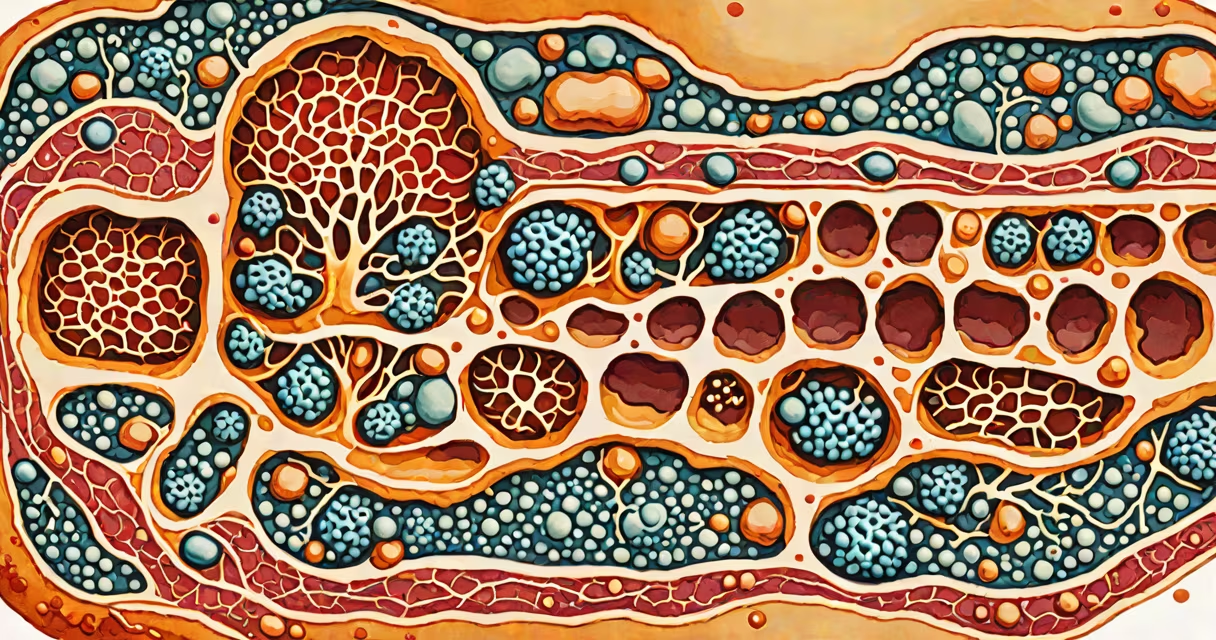
Leaky gut, or increased intestinal permeability, occurs when the tight junctions in the gut lining loosen, allowing substances like bacteria, toxins, and food particles to pass into the bloodstream. This condition is linked to inflammation, autoimmune responses, and digestive discomfort.
The intestinal lining acts as a selective barrier. Normally, it allows nutrients to pass through while blocking harmful materials. When this barrier weakens, it's described as "leaky." The term is often used interchangeably with intestinal hyperpermeability, though medical professionals prefer the latter due to its clinical precision.
Research shows that a compromised gut barrier may contribute to conditions such as irritable bowel syndrome (IBS), celiac disease, and even rheumatoid arthritis. A 2019 study published in Frontiers in Immunology confirmed that disrupted tight junction proteins-like zonulin and occludin-are frequently elevated in individuals with chronic gastrointestinal symptoms.
The gut lining consists of epithelial cells held together by protein complexes called tight junctions. These structures regulate what moves from the gut lumen into the bloodstream. When functioning properly, they prevent large molecules and pathogens from crossing.
When stress, poor diet, antibiotics, or infections disrupt this system, the junctions open wider than normal. This allows lipopolysaccharides (LPS)-toxic components of bacterial cell walls-to enter circulation. Once in the blood, LPS triggers immune activation, leading to systemic inflammation.
A 2021 review in Nutrients found that patients with metabolic syndrome had higher levels of serum zonulin, a marker associated with gut permeability. Elevated zonulin correlated with insulin resistance and fatty liver disease, suggesting a direct link between gut integrity and metabolic health.
While "leaky gut" is often discussed as a single condition, it results from multiple underlying causes. These fall into four categories: dietary, microbial, immunological, and environmental.
| Trigger Type | Examples | Impact on Gut Barrier |
|---|---|---|
| Dietary | Gluten, excess alcohol, processed foods high in emulsifiers | Disrupts mucus layer and tight junctions |
| Microbial | Small intestinal bacterial overgrowth (SIBO), Candida overgrowth | Alters microbiome balance, increases inflammation |
| Immunological | Celiac disease, autoimmune disorders | Triggers immune response against intestinal tissue |
| Environmental | Chronic stress, NSAIDs, radiation exposure | Reduces mucosal repair capacity |
Emulsifiers like polysorbate-80 and carboxymethylcellulose-common in packaged snacks and sauces-have been shown in animal studies to increase gut permeability. A 2015 study in Nature demonstrated that mice fed these additives developed altered gut flora and higher intestinal leakage compared to controls.
Many people assume leaky gut is a standalone diagnosis. It is not. The term describes a physiological state, not a formal disease. The American Gastroenterological Association does not recognize "leaky gut syndrome" as a distinct medical condition, citing insufficient evidence for widespread diagnostic criteria.
Another myth is that leaky gut causes weight gain directly. While gut dysbiosis and inflammation can influence metabolism, no human trial has proven that increased permeability alone leads to obesity. Weight changes are more likely secondary to altered nutrient absorption and chronic inflammation.
Leaky gut is not synonymous with irritable bowel syndrome (IBS). Though both involve digestive distress, IBS is diagnosed based on symptom patterns (bloating, diarrhea, constipation) rather than structural gut damage. However, research suggests that up to 60% of IBS patients show signs of increased intestinal permeability.
In 2018, a 34-year-old woman presented with persistent fatigue, joint pain, and bloating. Blood tests revealed elevated anti-gliadin antibodies and high zonulin levels. She reported consuming gluten daily and using ibuprofen twice weekly for headaches. After eliminating gluten and reducing NSAID use, her symptoms improved within six weeks. Follow-up testing showed normalized zonulin levels.
This case illustrates how lifestyle factors interact with gut physiology. The patient didn't have a genetic predisposition to celiac disease, but dietary triggers exacerbated existing permeability. Her recovery highlights that leaky gut is modifiable-not irreversible.
If you suspect leaky gut, focus on restoring gut barrier function through diet and targeted supplementation. Foods rich in fiber, polyphenols, and healthy fats support beneficial gut bacteria and strengthen tight junctions.
Supplements like L-glutamine, zinc carnosine, and probiotics (especially strains like *Lactobacillus rhamnosus* GG) have shown promise in clinical trials. A 2020 double-blind placebo-controlled study in European Journal of Clinical Nutrition found that participants taking L-glutamine for eight weeks experienced reduced intestinal permeability markers compared to placebo.
Understanding what is a leaky gut mean begins with recognizing it as a physiological state, not a diagnosis. It reflects a breakdown in intestinal regulation that can contribute to chronic illness-but it's reversible with evidence-based strategies.