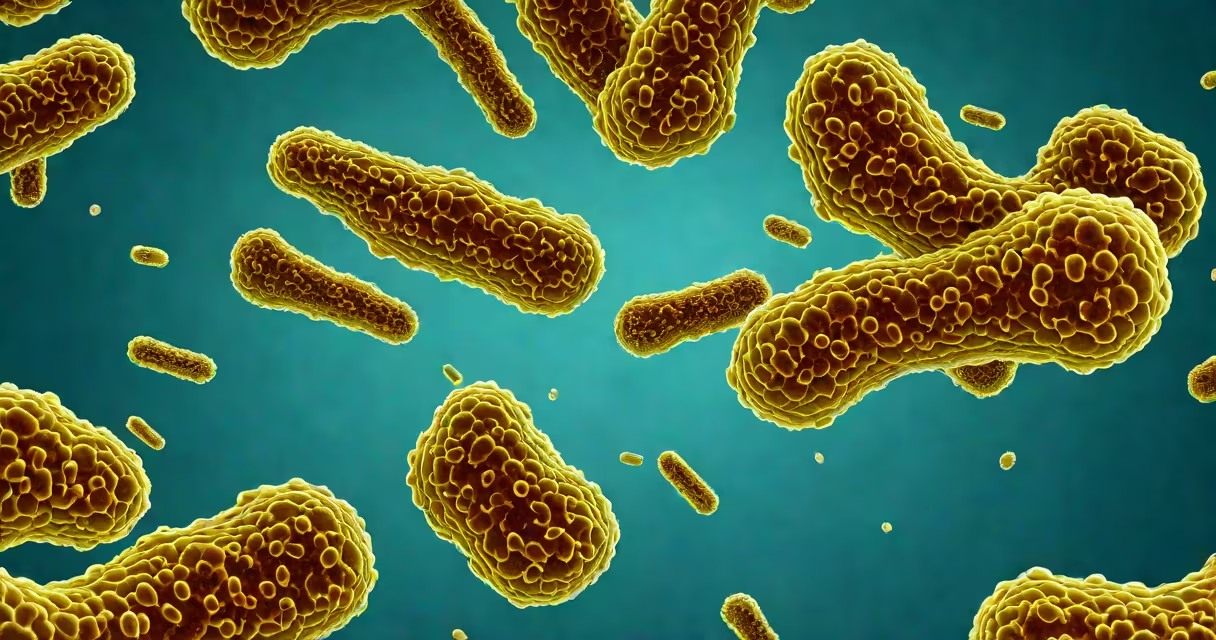
The pathogen responsible for tuberculosis is Mycobacterium tuberculosis, a rod-shaped bacterium that primarily infects the lungs and can spread through respiratory droplets released during coughing or sneezing.
Mycobacterium tuberculosis belongs to the family Mycobacteriaceae and is characterized by a waxy cell wall rich in mycolic acids. This structure makes the bacterium highly resistant to drying, disinfectants, and antibiotics. The organism replicates slowly-dividing approximately every 16 to 20 hours-complicating diagnosis and treatment.
Transmission occurs when an infected person expels droplets containing the bacteria into the air. A susceptible individual inhales these particles, which then settle in the alveoli of the lungs. The immune system typically responds by forming granulomas-clusters of immune cells that wall off the infection. In many cases, the infection remains latent, dormant for years, and only becomes active in about 5-10% of infected individuals, especially those with weakened immunity.
Once inhaled, Mycobacterium tuberculosis is engulfed by macrophages-white blood cells designed to destroy pathogens. However, the bacterium evades destruction by inhibiting the fusion of lysosomes with phagosomes, allowing it to survive and replicate inside the host cell.
As the bacterial load increases, the immune response intensifies. Granulomas form around infected areas, creating a physical barrier. If the immune system fails to contain the infection, the granuloma can break down, releasing bacteria into the bloodstream and allowing systemic spread. Active TB disease often presents with chronic cough, fever, night sweats, weight loss, and hemoptysis (coughing up blood).
A 2022 study published in The Lancet Infectious Diseases found that untreated pulmonary TB has a mortality rate of 50% within five years. Early detection and treatment reduce this risk dramatically, underscoring the importance of timely intervention.
While Mycobacterium tuberculosis is the primary cause of TB, other species in the Mycobacterium tuberculosis complex can cause similar disease:
| Bacterium | Primary Infection Site | Transmission Route | Prevalence |
|---|---|---|---|
| Mycobacterium tuberculosis | Lungs (pulmonary) | Airborne | 95% of human TB cases |
| Mycobacterium bovis | Lungs, lymph nodes | Consumption of unpasteurized milk or undercooked meat | Less than 1% globally; higher in regions with poor food safety controls |
| Mycobacterium africanum | Lungs | Airborne | Primarily West Africa; accounts for ~3% of cases in endemic areas |
Only M. tuberculosis causes the majority of TB cases worldwide. M. bovis is rare in countries with pasteurization laws and routine cattle testing. M. africanum is less transmissible and less likely to develop drug resistance compared to M. tuberculosis.
Many assume TB is a disease of the past or only affects people in developing nations. In reality, the World Health Organization reported 10.6 million new cases globally in 2022, including 1.3 million in the United States. The disease persists due to latency, antibiotic resistance, and delayed diagnosis.
Another misconception is that TB spreads through casual contact like handshakes or sharing utensils. It does not. Transmission requires prolonged close contact with an infected person who is actively coughing. A single exposure to a person with active pulmonary TB carries a 10-20% infection risk, depending on ventilation and duration of exposure.
Not all lung infections caused by Mycobacterium species are TB. Nontuberculous mycobacteria (NTM)-such as Mycobacterium avium complex-are environmental organisms that can cause lung disease resembling TB but do not respond to standard anti-TB drugs.
In 2019, a patient in Tshwane, South Africa, presented with a persistent cough and weight loss. Sputum tests confirmed M. tuberculosis, but drug susceptibility testing revealed resistance to isoniazid and rifampicin-the defining markers of multidrug-resistant TB (MDR-TB). The patient had previously completed a course of first-line treatment but relapsed due to incomplete adherence.
Genomic sequencing showed a mutation in the rpoB gene, which confers resistance to rifampicin. Treatment was switched to bedaquiline and pretomanid, newer drugs approved by the FDA in 2019 for MDR-TB. After 9 months of therapy, the patient achieved sputum conversion and remained symptom-free at 12-month follow-up.
This case illustrates how genetic mutations in M. tuberculosis lead to treatment failure and the necessity of molecular diagnostics in managing resistant strains.
Latent TB infection (LTBI) occurs when the immune system contains the bacteria but cannot eliminate them. Individuals with LTBI are asymptomatic and not contagious. However, they have a 5-10% lifetime risk of progressing to active disease, especially if immunosuppressed.
Active TB is diagnosed through positive sputum smear microscopy, culture, or nucleic acid amplification tests (NAATs) such as Xpert MTB/RIF. Culture remains the gold standard, though results take 2-6 weeks. NAATs detect both the presence of M. tuberculosis and resistance to rifampicin within hours.
According to the CDC, 13 million Americans have latent TB. Without treatment, 10% of these individuals will develop active disease over their lifetime. Screening and preventive therapy reduce this risk by over 90%.
I once assisted in a public health clinic in rural Oregon where a 42-year-old man presented with fatigue and a dry cough lasting six weeks. Initial chest X-ray showed a small infiltrate in the upper lobe. Sputum smear was negative, but a subsequent Xpert test returned positive for M. tuberculosis.
He had no known exposure history. Further questioning revealed he had lived in a shelter during winter. The diagnosis was delayed because symptoms were mild and nonspecific. This case highlights how TB can present subtly and evade early detection-especially in populations with limited access to care.
After treatment initiation with isoniazid, rifampin, pyrazinamide, and ethambutol, his symptoms resolved in four weeks. He completed six months of therapy and remains cured.
The pathogen causing tuberculosis is Mycobacterium tuberculosis. It spreads via airborne droplets, establishes latent infection in many hosts, and can progress to active disease under conditions of immune compromise. Understanding its biology, transmission routes, and diagnostic methods is essential for controlling the global burden of TB.