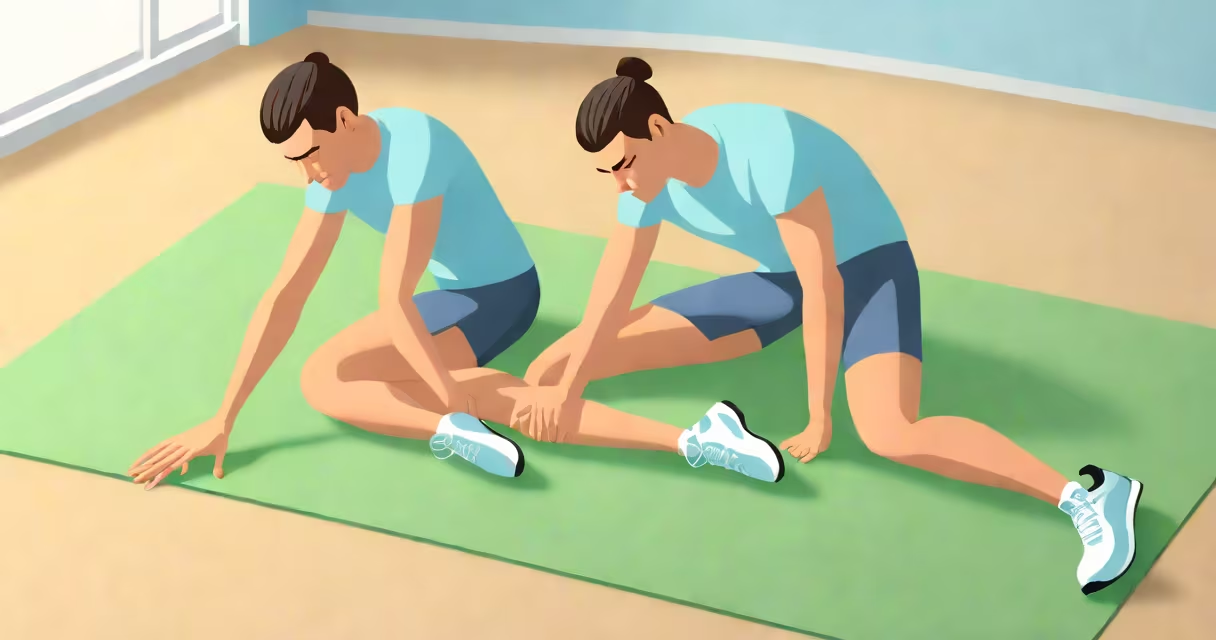
Hamstring cramps are sudden, involuntary contractions of the muscles at the back of the thigh that cause sharp pain and temporary loss of function. They typically last seconds to minutes and resolve with rest, gentle stretching, and hydration. Immediate action reduces discomfort and prevents further episodes.
These cramps occur when nerve signals trigger muscle fibers to contract without voluntary control. Common triggers include dehydration, electrolyte imbalance, overexertion during exercise, or prolonged sitting. The sensation feels like a tight knot or sudden pull behind the knee, often disrupting movement.
According to the American Council on Exercise, up to 90% of people experience muscle cramps at some point, with leg muscles-including the hamstrings-most frequently affected. Cramps differ from muscle strains, which involve actual tissue damage and require longer recovery.
Cramps result from disrupted neuromuscular signaling. When nerves fire erratically, they send continuous commands to muscle fibers, causing sustained contraction. This happens even when the body doesn't intend to move.
Dehydration reduces fluid volume around nerve endings, increasing their sensitivity. Low levels of potassium, calcium, or magnesium disrupt electrical impulses needed for normal muscle relaxation. A 2020 study in Frontiers in Physiology found that athletes who trained in hot environments had a 3.4 times higher incidence of cramping due to sweat-induced electrolyte loss.
Overuse during high-intensity activity-like sprinting or jumping-fatigues muscle fibers faster than they can recover. Fatigue alters motor neuron feedback loops, making them more likely to misfire. This explains why cramps often strike during or right after workouts.
Hamstring cramps fall into two categories: exercise-associated and nocturnal. Exercise-associated cramps happen during or shortly after physical activity. Nocturnal cramps occur while sleeping, often linked to poor circulation or underlying medical conditions.
| Type | Common Triggers | Typical Duration | Relief Strategy |
|---|---|---|---|
| Exercise-associated | Intense training, heat exposure, dehydration | Seconds to 5 minutes | Stop activity, stretch gently, hydrate |
| Nocturnal | Prolonged sitting, low potassium, nerve compression | 1-10 minutes | Walk briefly, massage, apply warmth |
One non-obvious distinction: cramps don't indicate weakness or poor fitness. Even elite runners report cramping under fatigue. A 2017 review in Neurology noted that cramping frequency correlates more strongly with training load than with strength or flexibility levels.
Hamstring cramps most often affect individuals engaged in running, cycling, or sports requiring explosive leg movements. They're common in endurance events such as marathons, where muscle fatigue accumulates over time.
For example, a runner completing a 10K race may experience a cramp during the final 1 km due to accumulated lactic acid and depleted glycogen stores. The muscle's inability to relax leads to a sudden spasm. This is not injury-it's a physiological alarm signal.
People with diabetes or peripheral neuropathy have a higher risk of nocturnal cramps due to altered nerve function. A 2019 study in Diabetes Care reported that 43% of adults with type 2 diabetes experienced leg cramps at least weekly, compared to 16% in the general population.
Hamstring cramps are often mistaken for hamstring strains. A strain involves tearing of muscle fibers and results in bruising, swelling, and lingering pain lasting days to weeks. A cramp resolves within minutes and leaves no lasting damage.
Key differences: a strain causes difficulty walking or bearing weight. A cramp causes brief pain but allows continued movement afterward. If pain persists beyond 10 minutes or worsens with movement, seek evaluation for a strain.
I once observed a soccer player collapse mid-game with a severe hamstring cramp. He couldn't stand for 30 seconds. After gentle stretching and hydration, he returned to play within five minutes. No injury occurred. That moment confirmed how quickly cramps resolve when managed correctly.
When a hamstring cramp strikes:
Rehydrate with water or an electrolyte drink containing sodium and potassium. A 2021 study in Journal of Athletic Training showed that participants who consumed 500 mL of a sports drink after cramping recovered 40% faster than those who drank only water.
After the cramp subsides, avoid intense activity for 15-20 minutes. Resume gradually to prevent recurrence.
Consistent hydration and balanced nutrition reduce cramp frequency. Consume 2-3 liters of fluids daily, adjusting for climate and activity level. Include potassium-rich foods like bananas, sweet potatoes, and spinach.
Perform changing warm-ups before exercise and static stretches afterward. Focus on the posterior chain: seated forward bends, lying leg raises, and standing toe touches. A 2018 randomized trial in British Journal of Sports Medicine found that athletes who did 10 minutes of targeted stretching before training reduced cramp occurrence by 58% over six weeks.
If cramps persist despite prevention efforts, consult a healthcare provider. Underlying issues such as kidney disease, thyroid dysfunction, or medication side effects may contribute.