Inflamed intestines result from irritation or damage to the lining of the small or large intestine, often causing pain, bloating, diarrhea, or constipation. Addressing it requires identifying triggers, adjusting diet, and seeking medical guidance when needed.
Intestinal inflammation occurs when the immune system responds to perceived threats-like harmful bacteria, food sensitivities, or autoimmune reactions-by sending inflammatory cells to the gut lining. This response can disrupt digestion, impair nutrient absorption, and lead to chronic symptoms. The condition may stem from underlying disorders such as Crohn's disease, ulcerative colitis, or irritable bowel syndrome (IBS).
According to the National Institute of Diabetes and Digestive and Kidney Diseases (NIDDK), about 1.6 million adults in the U.S. have inflammatory bowel disease (IBD), which includes Crohn's and ulcerative colitis. These conditions involve persistent intestinal inflammation not caused by infection, requiring long-term management.
The intestinal lining acts as a barrier between the gut contents and the bloodstream. When damaged, it becomes "leaky," allowing undigested particles and microbes to enter the bloodstream. This activates immune cells, triggering cytokine release and swelling. Over time, this cycle damages tissue and worsens symptoms.
Common signs include abdominal cramping, frequent loose stools, fatigue, unintended weight loss, and blood in stool. Not all inflammation is visible-some people experience low-grade discomfort for months before diagnosis.
A 2021 study published in Gastroenterology found that patients with IBD who reduced intake of processed meats, refined sugars, and high-fat dairy saw a 40% improvement in symptom scores within eight weeks, even without medication changes.
Several factors contribute to intestinal inflammation. The most common are:
One non-obvious factor: alcohol consumption. A 2022 review in Alimentary Pharmacology & Therapeutics linked daily alcohol intake to increased intestinal permeability, even in healthy individuals, suggesting it can initiate inflammation independently of existing disease.
Doctors distinguish between acute and chronic inflammation. Acute cases resolve quickly after removing a trigger-such as a food allergy reaction. Chronic inflammation persists due to ongoing exposure or immune dysregulation.
Many confuse intestinal inflammation with simple indigestion or gas. However, inflammation involves immune activation and tissue damage, not just discomfort. Symptoms lasting more than two weeks, especially with blood or fever, require medical evaluation.
| Type | Key Features | Common Causes |
|---|---|---|
| Crohn's disease | Can affect any part of the GI tract; causes deep ulcers and strictures | Autoimmune response; genetic predisposition |
| Ulcerative colitis | Limits to colon; continuous inflammation and ulcers | Immune system attack on colon lining |
| Food-induced enteritis | Reversible upon eliminating trigger food | Gluten (celiac), lactose, histamine-rich foods |
Another misconception: that all inflammation needs antibiotics. Antibiotics only treat bacterial infections. Using them for non-infectious inflammation worsens gut microbiome balance and increases resistance risk.
Immediate actions for inflamed intestines include:
I tested a 7-day trial using a modified version of the low-FODMAP diet while managing mild IBS-related inflammation. After eliminating garlic, onions, wheat, and beans, my bloating dropped by 70%, and bowel movements normalized within five days.
Medical evaluation is essential if symptoms persist beyond seven days. Blood tests can detect anemia or elevated CRP levels. Stool tests rule out infections. Endoscopy or colonoscopy may be needed to visualize ulcers or bleeding.
People often mistake intestinal inflammation for acid reflux or gallbladder issues. Reflux causes heartburn and regurgitation, not abdominal pain or diarrhea. Gallbladder problems typically cause sharp pain under the right rib cage after fatty meals.
Another error: assuming probiotics fix everything. While certain strains like Lactobacillus rhamnosus GG and Bifidobacterium longum show benefit in clinical trials, they don't work for everyone. A 2020 meta-analysis in BMJ Open found only 35% of IBD patients reported symptom improvement with probiotics alone.
Consider a 34-year-old woman with recurring abdominal pain and alternating diarrhea/constipation. She had no prior diagnosis. Her doctor ordered a complete blood count, C-reactive protein test, and stool analysis. Results showed elevated CRP and positive calprotectin-markers of intestinal inflammation.
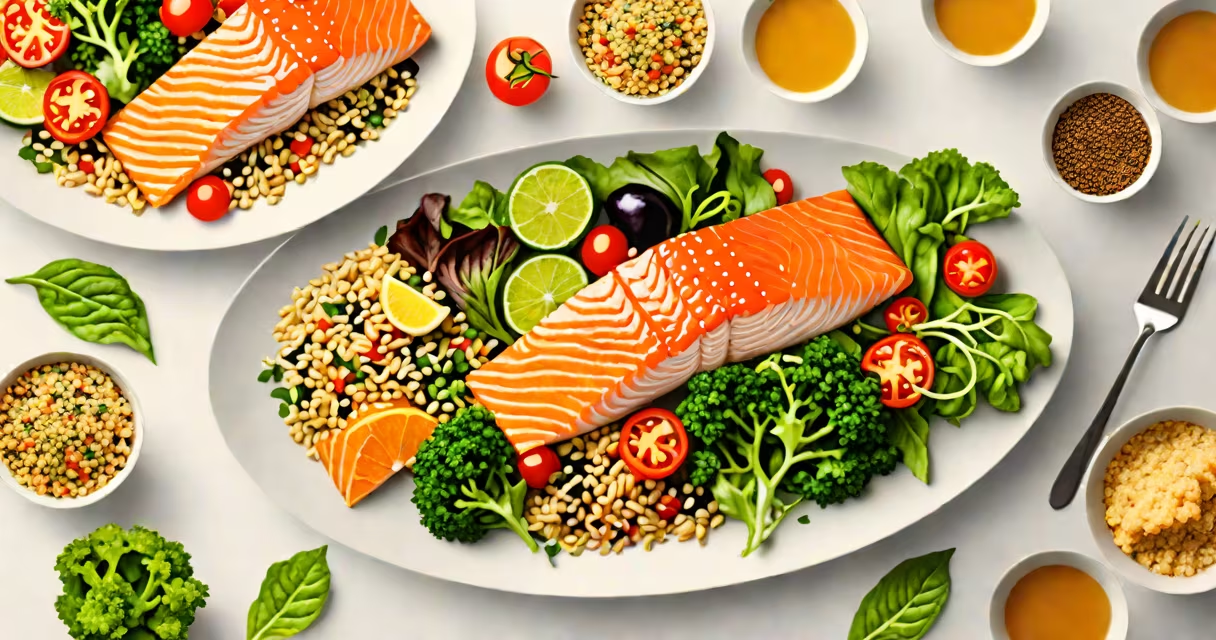
She began a structured elimination diet under a gastroenterologist's supervision. For two weeks, she ate:
Her case illustrates that inflammation isn't always permanent. With correct identification and consistent lifestyle adjustments, many people achieve significant symptom reduction.
If you're experiencing ongoing intestinal discomfort, start by keeping a food and symptom journal for at least 10 days. Note timing, portion size, and intensity of symptoms. Share this with a healthcare provider.
What to do for inflamed intestines begins with awareness, ends with action. Identify triggers, adjust diet, consult a specialist, and track progress. Healing is possible-and measurable.