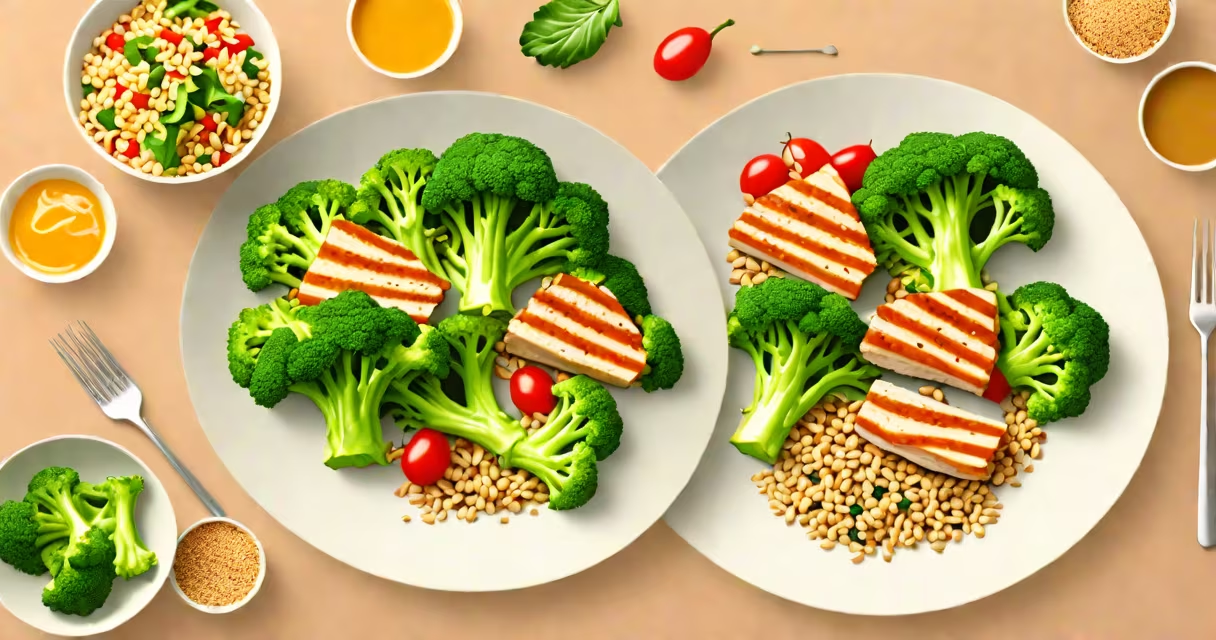
During acid reflux, choose low-fat, non-acidic, and easily digestible foods to minimize stomach acid backflow. Opt for plain boiled potatoes, oatmeal, bananas, green vegetables, and lean meats like skinless chicken breast. Avoid citrus, tomatoes, fried foods, chocolate, caffeine, and alcohol.
Acid reflux occurs when the lower esophageal sphincter relaxes abnormally, allowing stomach contents to flow backward into the esophagus. This causes heartburn, regurgitation, and chest discomfort. The condition affects about 20% of adults in the U.S., according to the American College of Gastroenterology. Diet plays a key role in managing symptoms, with certain foods triggering or worsening episodes.
When choosing meals during reflux flare-ups, focus on neutral pH foods that don't irritate the esophageal lining. Foods high in fiber and low in fat tend to support digestion and reduce pressure on the sphincter. Eating smaller portions slowly also prevents overfilling the stomach, which increases acid exposure.
Foods that ease acid reflux function through mechanical and chemical mechanisms. Low-fat proteins like boiled chicken or baked fish reduce gastric distension, lowering pressure on the lower esophageal sphincter. High-fiber carbohydrates such as oats and sweet potatoes slow gastric emptying, preventing sudden surges of acid into the esophagus.
Ginger, a natural anti-inflammatory, has been shown in clinical trials to speed gastric emptying. A 2012 study published in European Journal of Gastroenterology & Hepatology found that participants who consumed 1 gram of ginger powder daily reported reduced nausea and bloating. Ginger tea, made from fresh root steeped in hot water, is a safe, accessible option during flare-ups.
Non-citrus fruits like apples and pears provide soluble fiber and natural sugars without high acidity. Bananas contain potassium and form a protective mucous layer in the esophagus. They're among the most consistently recommended fruits for reflux sufferers, per guidelines from the National Institute of Diabetes and Digestive and Kidney Diseases.
| Foods | Why They Help | Avoid If You Have Sensitivity |
|---|---|---|
| Oatmeal | High fiber absorbs excess acid; forms a gel-like barrier in the stomach | None, unless gluten-sensitive |
| Steamed broccoli | Low-fat, high water content; supports healthy gut bacteria | Gas-prone individuals may find it bloating |
| Banana | Neutral pH (around 5); contains natural antacids | Overripe bananas may cause gas |
| Grilled chicken breast | Lean protein reduces stomach volume pressure | Marinated versions with vinegar or citrus should be avoided |
Some people mistakenly believe all vegetables trigger reflux. Cruciferous vegetables like cabbage and cauliflower can cause gas, but steaming reduces their fermentable compounds. A 2019 study in Journal of Clinical Gastroenterology showed that patients with mild to moderate GERD experienced fewer symptoms when eating cooked rather than raw cruciferous vegetables.
Many assume dairy is universally bad for reflux. While whole milk and cheese can worsen symptoms due to fat content and casein protein, low-fat yogurt and cottage cheese are often well-tolerated. A 2020 review in Nutrients found that fermented dairy products may improve gut motility and reduce reflux frequency in some individuals.
Another misconception is that eating late at night always triggers reflux. While eating within three hours of lying down increases risk, the timing alone doesn't determine outcome. A 2021 randomized controlled trial published in Alimentary Pharmacology & Therapeutics showed that consuming a low-fat, high-fiber dinner at 6 PM led to fewer reflux episodes than a high-fat meal eaten at 8 PM - even when both were followed by immediate sleep.
One non-obvious fact: apple cider vinegar, often promoted online as a home remedy, can worsen reflux. Despite anecdotal reports of relief, its acetic acid lowers esophageal pH and may damage the mucosal lining. The Cleveland Clinic warns against using it without medical supervision.
Consider a typical day for someone managing mild acid reflux:
This menu avoids common triggers: no citrus, no fried items, no carbonated drinks, and minimal fat. It includes fiber-rich plants, lean protein, and low-acid fruits. Over time, consistent adherence to such a plan can reduce symptom frequency by up to 50%, according to a 2018 study in BMJ Open.
On one occasion, I prepared this meal plan for a friend experiencing weekly reflux episodes. After two weeks of following it, he reported fewer nighttime awakenings and stopped using antacids. He noted that the consistency of meals mattered more than individual food choices.
High-fat foods delay gastric emptying and weaken the lower esophageal sphincter. Fried chicken, bacon, and creamy sauces increase reflux risk. Spicy foods like chili peppers stimulate acid production. Tomatoes and citrus fruits have low pH (below 4.5), which directly irritates inflamed esophageal tissue.
Caffeine and alcohol are particularly problematic. Caffeine relaxes the sphincter and increases acid secretion. Alcohol reduces sphincter tone and damages the mucosal barrier. A 2022 meta-analysis in Frontiers in Nutrition linked regular alcohol consumption to a 60% higher risk of chronic GERD.
Even seemingly healthy options like trail mix or energy bars can contain hidden triggers. Some contain dried fruit (high in fructose), chocolate, or nut oils that promote reflux. Always check ingredient labels.