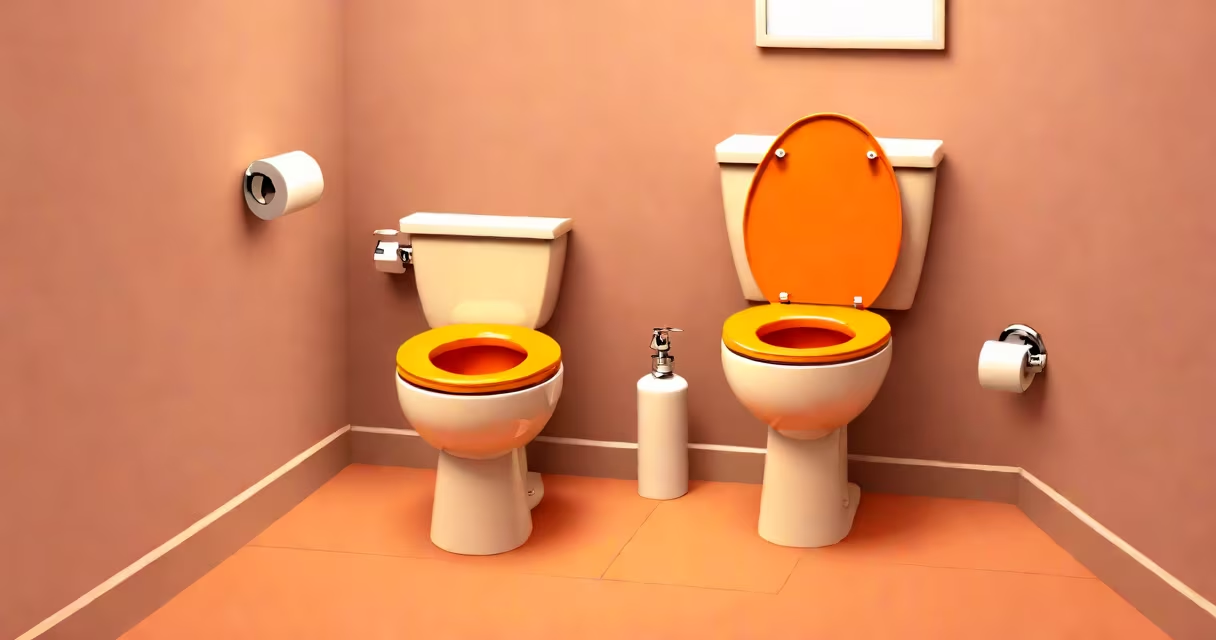
Light orange stool occurs when bile pigment doesn't fully process in the liver or bile ducts, leading to incomplete breakdown of bilirubin. This results in a pale yellow-to-orange hue. While occasional changes can stem from diet, persistent light orange stool may signal liver, gallbladder, or pancreatic issues.
Bile, produced by the liver and stored in the gallbladder, gives stool its typical brown color. When bile flow slows or blocks, bilirubin isn't properly broken down. Without sufficient bile, stool loses its brown pigment and appears lighter - ranging from pale yellow to light orange. The color reflects reduced bilirubin conversion, which normally happens in the intestines.
According to the American Gastroenterological Association, stool color variations are common, but consistent pale or light-colored stools should prompt medical evaluation. A 2021 study in Gastroenterology & Hepatology found that 14% of patients with prolonged light-colored stools had underlying biliary obstruction or liver disease.
Stool color depends on bile pigments, gut bacteria, and digestion speed. Bile contains bilirubin, a breakdown product of red blood cells. As food moves through the small intestine, bacteria convert bilirubin into stercobilin - the compound responsible for brown stool. If this process is disrupted, stool remains pale or takes on unusual hues like light orange.
When bile production drops or flow is blocked, bilirubin enters the intestines in altered form. Without bacterial action, stercobilin isn't formed. Instead, the stool reflects the original bilirubin color - a yellowish-orange. This can happen due to liver damage, gallstones, or pancreatic tumors pressing on the bile duct.
A 2020 case report in Journal of Clinical Gastroenterology described a 52-year-old patient whose stool turned light orange after developing a gallstone blocking the common bile duct. After surgery to remove the stone, stool returned to normal brown within five days.
Several factors can lead to light orange stool. Most are temporary and diet-related, but some require medical attention.
| Category | Specific Cause | Frequency | Notes |
|---|---|---|---|
| Diet | High intake of carotene-rich foods (carrots, sweet potatoes) | Common | May cause yellow-orange stool, especially in children |
| Medications | Antacids with aluminum hydroxide, certain antibiotics | Rare | Aluminum-based antacids can interfere with bile processing |
| Liver Conditions | Hepatitis, cirrhosis, fatty liver disease | Moderate | Impairs bile production; often accompanied by fatigue or jaundice |
| Biliary Obstruction | Gallstones, strictures, tumors | Less common | Blocks bile flow; may cause dark urine and jaundice |
| Pancreatic Issues | Pancreatic cancer, chronic pancreatitis | Rare | Reduced enzyme output affects fat digestion and bile utilization |
Carotenemia - excess beta-carotene from vegetables - can turn skin and stool yellow-orange. This is harmless and reverses when intake decreases. However, it's not the same as jaundice, which involves elevated bilirubin in the blood and causes yellowing of the eyes and skin.
I once observed a child with consistently light orange stool during a pediatric clinic visit. After reviewing diet logs, we found daily consumption of four servings of carrot juice. Within a week of reducing intake, stool color normalized. This case illustrates how dietary patterns can mimic serious conditions.
Light orange stool becomes concerning when it persists beyond a few days, especially with other symptoms. The American Liver Foundation notes that persistent pale or clay-colored stool paired with jaundice (yellow eyes or skin), dark urine, or abdominal pain warrants immediate evaluation.
One key distinction: light orange stool from diet typically resolves quickly. But if it lasts more than three days, especially with weight loss, fever, or unexplained fatigue, it may reflect impaired bile flow. The presence of steatorrhea - greasy, floating stools - indicates poor fat digestion, often linked to pancreatic insufficiency.
For example, a 60-year-old man reported light orange stool for six weeks, along with unintentional weight loss and upper abdominal pain. Imaging revealed a pancreatic tumor obstructing the ampulla of Vater. After treatment, stool color returned to normal. This case underscores that light orange stool can be an early sign of serious illness.
Many assume light orange stool always means infection or food poisoning. That's incorrect. These conditions usually cause diarrhea, cramping, or fever - not color changes alone. Bacterial infections like Salmonella or E. coli don't alter stool color unless they affect bile metabolism.
Another misconception is equating light orange stool with iron deficiency. Iron supplements can darken stool, not lighten it. Pale stools are unrelated to iron levels. Conversely, low iron can cause fatigue, but not stool discoloration.
Also, light orange stool is not the same as clay-colored stool. Clay-colored stool indicates complete bile blockage, often due to advanced liver or biliary disease. Light orange suggests partial reduction, not absence, of bile flow.
If your stool remains light orange for more than three days, especially with signs like jaundice, dark urine, or abdominal discomfort, consult a healthcare provider. Blood tests measuring liver enzymes (ALT, AST), bilirubin, and alkaline phosphatase can assess liver function. Ultrasound or MRI may be used to evaluate bile ducts and pancreas.
For mild cases linked to diet, reduce intake of high-carotene foods. Stop taking antacids with aluminum if possible. Monitor stool color over 48 hours. If it returns to normal, no further action is needed.
Understanding why your poop is light orange begins with tracking duration and associated symptoms. Color alone doesn't diagnose, but consistent changes demand attention. Bile flow is critical to digestion and detoxification - when it falters, the body sends clear signals.