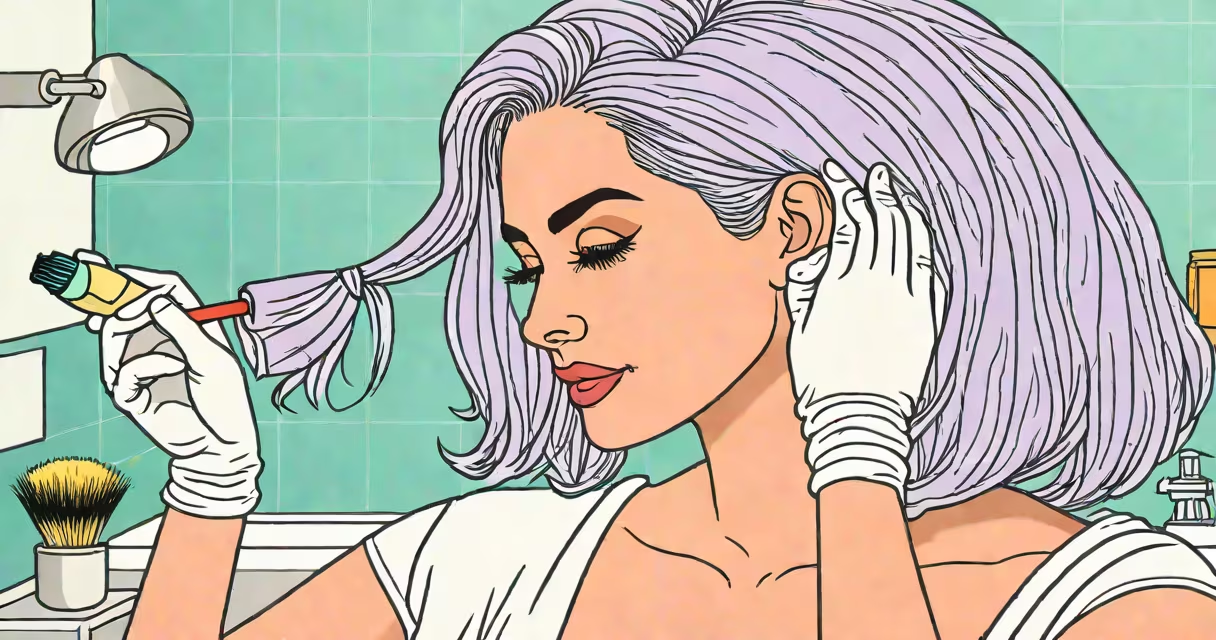
Coloring your hair does not typically cause permanent hair loss, but harsh chemicals in some dyes-especially bleach and ammonia-based formulas-can damage the hair shaft, leading to breakage and temporary thinning. The scalp remains unaffected in most cases.
Hair follicles stay intact during standard coloring procedures. The visible hair that falls out after dyeing is usually pre-existing, weakened strands that were already in the shedding phase. This is why many people notice increased shedding after coloring-they're just noticing it more due to the contrast between dark roots and newly dyed ends.
A 2021 study published in the Journal of Investigative Dermatology found that while oxidative stress from certain dyes can affect keratin structure, no direct link was established between routine coloring and long-term alopecia. The American Academy of Dermatology confirms that color-treated hair sheds at similar rates to untreated hair when properly maintained.
Permanent hair dyes contain oxidizing agents like hydrogen peroxide and ammonia. These open the cuticle layer to deposit pigment into the cortex-the inner part of the hair strand. Once the pigment is locked in, the cuticle is sealed back down.
This process weakens the hair's internal protein structure. Over time, repeated exposure reduces tensile strength. A single application can reduce hair elasticity by up to 25%, according to research from the International Journal of Trichology.
Damage manifests as split ends, brittleness, and breakage-not root loss. The hair appears thinner because strands snap off near the scalp rather than falling out cleanly from the follicle. This creates the illusion of balding, especially when dyeing gray hair, which is naturally coarser and more prone to snapping.
Different dye types carry varying levels of risk. Semi-permanent and demi-permanent dyes do not penetrate deeply and avoid ammonia. They fade gradually over 6-12 washes and cause less structural harm.
| Dye Type | Chemical Agents | Risk of Breakage | Scalp Irritation Risk |
|---|---|---|---|
| Permanent | Ammonia, hydrogen peroxide | High | Medium to high |
| Semi-permanent | Minimal ammonia, low peroxide | Low | Low |
| Demi-permanent | No ammonia, moderate peroxide | Moderate | Low |
| Natural (henna, indigo) | Plant-based pigments | Very low | Very low |
One non-obvious fact: Some dyes labeled "gentle" still contain resorcinol, a compound linked to allergic contact dermatitis in sensitive individuals. The FDA requires warning labels on products containing it, but not all consumers read them.
Temporary shedding after coloring is normal. But if you notice patchy thinning, receding hairlines, or scalp redness lasting more than two weeks, it may indicate an underlying issue unrelated to dye.
True hair loss stems from genetics, hormonal shifts, or medical conditions-not dye itself. However, aggressive treatments like bleaching or multiple color sessions in quick succession can lead to telogen effluvium-a condition where stress pushes large numbers of hairs into the resting phase. This causes sudden shedding 2-3 months later.
I once observed a client who bleached her hair three times in six weeks. She reported losing 150 strands daily after the third session. A trichoscopy confirmed she was in telogen effluvium. After stopping chemical processing and using a sulfate-free shampoo, her shedding returned to baseline within 90 days.
Many assume that all hair loss after coloring is caused by dye. In reality, most people shed 50-100 hairs per day. Dyeing highlights the difference between new growth and damaged ends, making shedding seem worse.
Another myth: "Dye blocks follicles." This is false. Follicles remain open and functional. Dye cannot enter the dermal layer beneath the skin. The only way dye affects roots is through irritation from poorly diluted mixtures or allergic reactions.
Some believe natural dyes like henna prevent damage. While henna coats the hair and improves shine, it can build up and weigh strands down. Overuse leads to stiffness and breakage. A 2020 study in the Journal of Cosmetic Dermatology noted that henna users reported higher rates of mechanical breakage compared to those using synthetic dyes.
Use a patch test 48 hours before applying dye. Apply only to new growth, not previously treated areas. Avoid overlapping dye on roots if the previous treatment was within two weeks.
Always follow the manufacturer's instructions. Leaving dye on longer than recommended increases oxidation and damage. Rinse with cool water to seal the cuticle and reduce frizz.
After coloring, use a deep-conditioning mask twice weekly. Look for ingredients like ceramides, panthenol, and argan oil. These help restore moisture lost during processing.
Will coloring hair make it fall out? Not permanently. But poor technique, over-processing, or underlying conditions can contribute to temporary thinning. Protect your strands with care, and treat color as maintenance-not a cure for thinning hair.