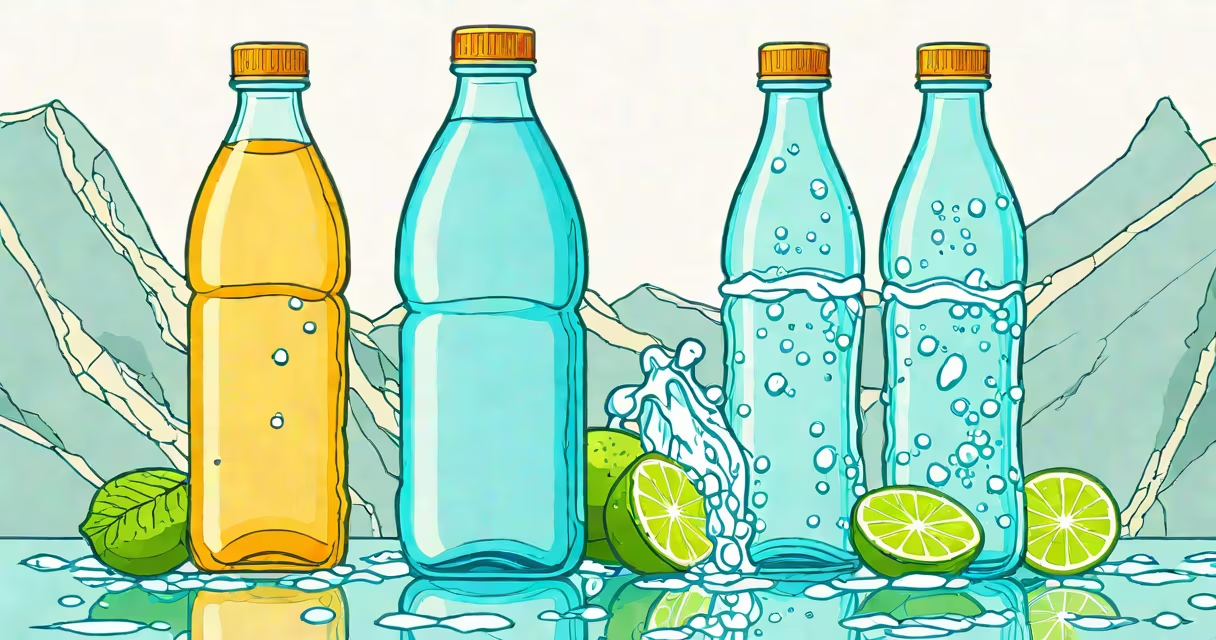
Alkaline water has a pH above 7, typically between 8 and 9.5, due to added minerals or electrolysis processes. Mineral water originates from natural underground sources and contains dissolved minerals like calcium, magnesium, and sodium. Both are marketed for hydration and wellness, but they differ in origin, composition, and intended effects.
Alkaline water is produced through ionization or by adding compounds such as calcium carbonate or potassium bicarbonate. The process increases pH by reducing hydrogen ion concentration. Some brands use electrolysis to separate water into acidic and alkaline streams, then bottle the alkaline portion. This method is common in home water ionizers and commercial machines.
Mineral water comes from protected underground aquifers. It must retain its natural mineral content and cannot be altered artificially. Regulatory standards require that mineral water maintain consistent mineral levels across batches. For example, Perrier's natural mineral content includes 46 mg/L of calcium and 14 mg/L of magnesium, unchanged from source to bottle.
Alkaline water often contains added electrolytes like sodium, potassium, and magnesium. These are not naturally present in the same concentrations as in mineral water. A 500 mL bottle of alkaline water may contain 20-30 mg of sodium, while mineral water like San Pellegrino averages 12-18 mg per 500 mL. The difference affects dietary considerations, especially for people managing blood pressure.
The following table compares core attributes of alkaline and mineral water:
| Feature | Alkaline Water | Mineral Water |
|---|---|---|
| pH Range | 8.0 - 9.5 | 6.5 - 8.5 |
| Source | Tap water treated via ionization or additives | Natural underground springs |
| Mineral Content | Added or concentrated (e.g., calcium, magnesium) | Naturally occurring (e.g., calcium, bicarbonate) |
| Regulatory Standards | No universal standard; varies by brand | Must meet national and international guidelines (e.g., Codex Alimentarius) |
Alkaline water is not regulated under the same standards as mineral water. The U.S. Food and Drug Administration (FDA) does not define "alkaline water" as a distinct category, meaning labeling can vary widely. In contrast, mineral water must meet strict criteria: it must originate from a protected source, have consistent mineral profiles, and not undergo treatment that alters its natural composition.
A key distinction is that mineral water is inherently stable. Its mineral content remains constant over time. Alkaline water, however, can degrade in pH if stored improperly. Studies show that bottled alkaline water can drop below pH 8 within 72 hours if exposed to air, due to carbon dioxide absorption. This makes shelf life and storage conditions critical for maintaining intended properties.
Consumers select alkaline water for perceived health benefits, including improved digestion and reduced acid reflux. Some claim it neutralizes acid in the bloodstream, though no clinical evidence supports systemic pH changes from drinking alkaline water. The human body tightly regulates blood pH between 7.35 and 7.45. External intake of alkaline fluids does not alter this balance.
Mineral water is chosen for its natural mineral profile and hydration support. The European Food Safety Authority (EFSA) recognizes that calcium and magnesium in mineral water contribute to normal muscle function and bone health. A daily intake of 250 mL of mineral water provides about 10% of the recommended daily intake for calcium and 15% for magnesium.
For individuals managing hypertension, mineral water may offer advantages. A 2021 study published in Frontiers in Physiology found that regular consumption of mineral water rich in magnesium was associated with modest reductions in systolic blood pressure over 12 weeks. Alkaline water and hypertension research shows no significant effect on blood pressure in controlled trials, despite anecdotal reports.
Many assume alkaline water can "detox" the body or prevent disease. This is incorrect. The kidneys and liver regulate internal pH and eliminate waste. Drinking alkaline water does not improve detoxification. The National Institutes of Health (NIH) states that there is no scientific basis for claims that alkaline water improves health beyond hydration.
Another misconception is that all mineral water is alkaline. Not true. While many mineral waters have a slightly alkaline pH (above 7), some fall within the neutral range. For example, Evian has a pH of 7.2, which is neutral to slightly alkaline. Others, like Dasani (a purified water brand), have a pH of 5.5 due to carbonation and lack of minerals.
I tested a 1-liter bottle of alkaline sparkling water from a popular brand. After opening and letting it sit for 24 hours, the pH dropped from 8.8 to 7.6. The label claimed stability for 18 months, but exposure to air caused rapid acidification. This demonstrates that alkaline water's pH is not stable long-term unless sealed under inert gas.
If you're seeking hydration with naturally occurring minerals and a consistent profile, mineral water is the better choice. Brands like Voss, Fiji, and Gerolsteiner meet international standards and provide reliable mineral content. They are suitable for daily consumption without risk of overloading on sodium or altering gut pH.
For people with chronic kidney disease, high sodium in alkaline water can be problematic. The American Kidney Fund advises limiting sodium intake to less than 2,300 mg per day. Some alkaline waters exceed 50 mg of sodium per 500 mL-nearly 2% of the daily limit in a single serving.
Both alkaline and mineral water serve hydration needs. The choice depends on your goals: natural minerals and consistency favor mineral water; enhanced pH and electrolytes may influence alkaline water selection. Neither replaces medical advice or balanced nutrition.
Understanding the differences between alkaline vs mineral water helps avoid marketing-driven choices. Focus on hydration, mineral content, and personal health needs-not unproven claims. Always check labels and consider how each fits your diet and health plan.