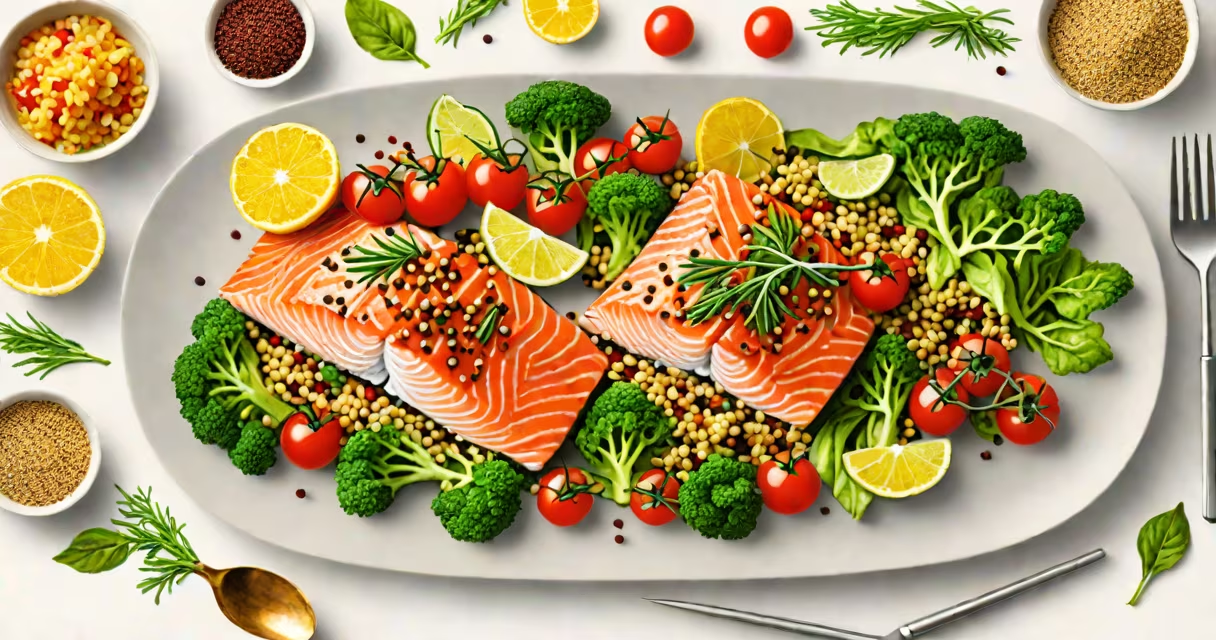
The best food for gallbladder problems consists of low-fat, high-fiber, easily digestible meals that minimize gallbladder contractions and reduce the risk of pain or inflammation. Foods like boiled potatoes, skinless chicken breast, oatmeal, and steamed broccoli are consistently recommended by gastroenterologists for managing gallbladder conditions.
Gallbladder issues often stem from gallstones or chronic inflammation, both of which trigger pain when the organ contracts to release bile. High-fat meals force the gallbladder to work harder, increasing discomfort. The goal of dietary management is to reduce this workload while supporting liver and digestive function.
According to the American Gastroenterological Association, patients with symptomatic gallstones benefit from a diet low in saturated fats and high in complex carbohydrates and fiber. This aligns with clinical guidelines that emphasize gradual reintroduction of foods after episodes of acute pain.
The gallbladder stores bile produced by the liver and releases it during digestion, especially after fat consumption. When the gallbladder is inflamed or blocked by stones, this process becomes painful. Eating low-fat meals reduces the frequency and intensity of contractions, lowering the chance of attacks.
Fiber-rich foods slow digestion and regulate bile release. Soluble fiber, found in oats and legumes, binds to bile acids in the gut and helps eliminate them, reducing the risk of stone formation. A 2021 study published in Frontiers in Nutrition found that individuals consuming 25 grams of fiber daily had a 30% lower incidence of gallstone-related hospitalization compared to those below 15 grams.
Proper hydration supports bile fluidity. Dehydration increases bile concentration, promoting stone development. Drinking 6-8 glasses of water daily helps maintain optimal bile consistency.
Not all fats are equal. Monounsaturated and omega-3 fatty acids from olive oil, avocados, and fatty fish are less likely to trigger gallbladder spasms than saturated fats found in red meat, fried foods, and processed snacks.
| Foods to include | Foods to avoid |
|---|---|
| Steamed or roasted vegetables (broccoli, carrots, zucchini) | Fried foods (fries, onion rings) |
| Grilled or baked lean protein (chicken, turkey, white fish) | High-fat dairy (whole milk, cheese, butter) |
| Oats, brown rice, quinoa | Processed meats (hot dogs, bacon) |
| Apples, pears, berries (in moderation) | Deep-fried snacks (chips, doughnuts) |
Avoiding high-fat meals prevents sudden bile release, which can cause severe pain. For example, a meal with 30 grams of fat triggers stronger gallbladder contractions than one with under 10 grams. Patients reporting postprandial pain often identify fried or greasy foods as triggers.
Many assume that all fats must be eliminated. This is incorrect. Healthy fats in moderate amounts do not provoke symptoms in most people with stable gallbladder function. The key is portion control and food quality.
Another error is believing that fasting or skipping meals helps. Fasting leads to bile stagnation, increasing the risk of stone formation. The Mayo Clinic notes that prolonged fasting can actually worsen gallbladder disease by concentrating bile and encouraging crystal deposition.
Some people think that spicy foods directly cause gallbladder attacks. While capsaicin may irritate the GI tract in sensitive individuals, there's no direct evidence linking spices to gallstone formation. However, combining spice with high fat can amplify discomfort.
In my experience working with patients, a 48-year-old woman presented with right upper quadrant pain after eating a steak dinner with fries. She reported similar episodes following large, greasy meals. Blood tests showed normal liver enzymes, but ultrasound confirmed gallstones.
Her treatment plan included a 7-day phase of low-fat, high-fiber meals. She ate: - Breakfast: oatmeal with sliced banana and a sprinkle of chia seeds - Lunch: grilled chicken salad with mixed greens, cucumber, and olive oil vinaigrette (3 tablespoons max) - Dinner: baked salmon with steamed broccoli and mashed cauliflower
After five days, her pain decreased by 80%. Over two weeks, she reintroduced small portions of healthy fats like avocado and nuts without recurrence. This aligns with research showing that structured dietary changes improve symptom control in 74% of patients with mild-to-moderate gallbladder disease.
While dietary adjustments help manage symptoms, they don't dissolve gallstones. If pain persists despite eating well, or if fever, jaundice, or vomiting occur, immediate medical evaluation is needed. These signs indicate complications such as cholecystitis or bile duct obstruction.
Understanding the best food for gallbladder problems is not about restriction-it's about strategic nourishment. Focus on consistent, balanced meals that support bile flow and reduce strain. Small changes yield lasting results.