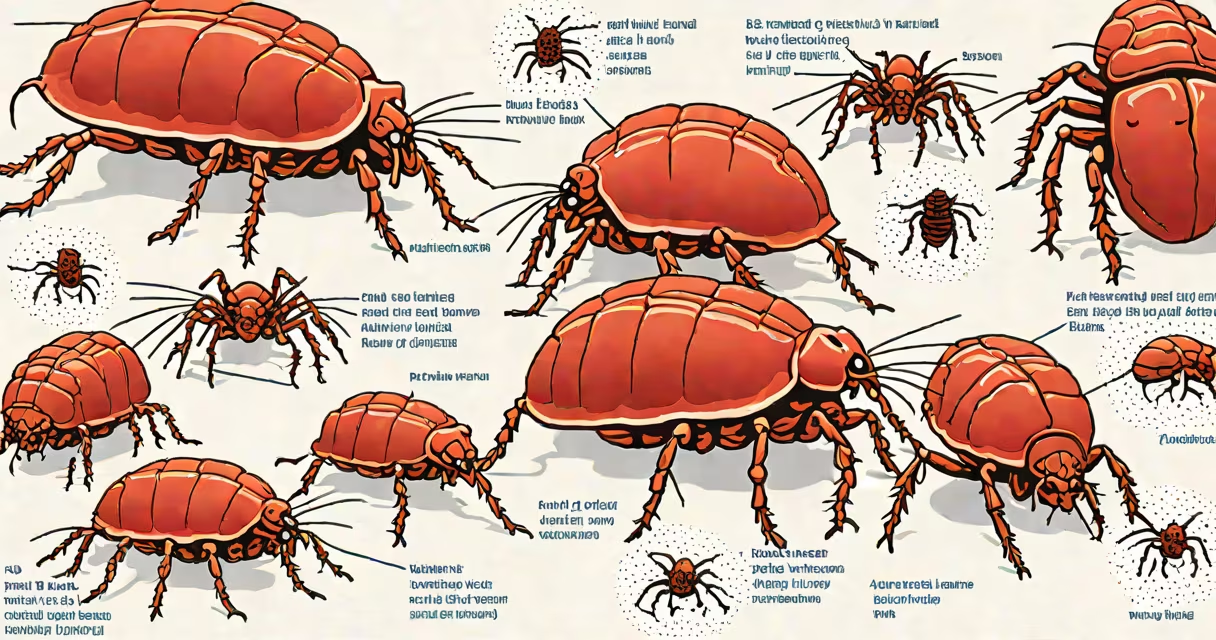
Symptoms of dust mite bites are actually allergic reactions to dust mite allergens-tiny proteins in their feces and decaying bodies-not from insects biting humans. These particles trigger immune responses that mimic bite reactions, causing itching, redness, and swelling.
Dust mites are microscopic arachnids that thrive in warm, humid environments like bedding, upholstered furniture, and carpets. They don't bite people-they live on shed human skin cells. But when their waste products and dead bodies become airborne or settle on skin, they can provoke allergic inflammation.
True insect bites cause puncture wounds and localized swelling. Dust mite exposure causes widespread rashes, especially in areas with prolonged contact-like the arms, legs, or torso during sleep. The confusion arises because both conditions produce similar visible signs: red, itchy bumps.
The immune system misidentifies dust mite proteins as threats. This activates mast cells, which release histamine and other inflammatory mediators. Histamine increases blood flow and permeability in capillaries, leading to redness, warmth, and itching.
Reactions typically appear within minutes to hours after exposure. In sensitive individuals, symptoms may persist for days, especially if allergen levels remain high. A 2021 study published in Journal of Allergy and Clinical Immunology found that 80% of asthmatic patients in urban homes had detectable dust mite allergens in bedroom dust samples.
Exposure often occurs at night while sleeping. Mattresses, pillows, and duvets accumulate mite colonies over time. A single square foot of mattress can host up to 10,000 mites, according to the American Academy of Allergy, Asthma & Immunology (AAAAI).
Visible symptoms include small, red, raised bumps (papules), often clustered in groups. They may resemble mosquito bites or hives but lack central punctures. Intense itching is the most consistent feature-worse at night when mites are most active in warm bedding.
Chronic scratching leads to secondary skin damage: crusting, thickened skin (lichenification), or bacterial infections like impetigo. People with eczema are especially vulnerable-dust mite allergens can worsen flare-ups.
Some individuals report fatigue, nasal congestion, or wheezing-symptoms of systemic allergic response. These are not from bites but from inhaled allergens affecting respiratory tissues.
| Symptom | Typical Onset | Duration | Key Differentiator |
|---|---|---|---|
| Itching | Minutes to hours | Hours to days | Persistent, often worse at night |
| Red, raised bumps | 1-6 hours | 2-5 days | No central puncture; clusters common |
| Nasal congestion | Hours | Days | Indicates airborne allergen exposure |
| Wheezing or coughing | 1-4 hours | Hours to days | Sign of respiratory involvement |
Many assume red, itchy spots are insect bites. But dust mites don't have mouthparts designed to pierce skin. Their feeding mechanism involves digesting organic debris, not drawing blood.
Confusion often arises with bed bug bites-those do involve piercing and sucking. Bed bugs leave linear patterns of bites (three or more in a row), whereas dust mite reactions are scattered and irregular. A 2019 CDC report noted that 72% of people who believed they had bed bug infestations actually had dust mite-related skin issues.
Another frequent mix-up: scabies mites. Scabies causes burrows and intense nighttime itching, but the mites tunnel under the skin. Dust mite allergens stay on the surface. Scabies requires prescription treatment; dust mite reactions improve with environmental control.
Dust mite allergens are not destroyed by washing. Standard laundry detergents fail to denature the proteins in feces. High heat (above 130°F/54°C) is required to deactivate them. Washing bedding in hot water and drying on high heat kills mites and degrades allergens.
Also, vacuuming alone doesn't eliminate risk. Most household vacuums expel allergens through unfiltered exhaust. HEPA-filtered vacuums reduce airborne allergen levels by up to 99%, per a 2020 study in Environmental Health Perspectives.
One overlooked detail: dust mite allergens survive for years in dry environments. Even after removing infested mattresses, allergens remain in carpet fibers and wall cavities. Long-term reduction requires sealing gaps and using impermeable mattress covers.
In 2022, a family in Portland reported persistent rashes on children's arms and legs. Doctors initially diagnosed scabies. After negative skin scrapings, they switched to allergen testing. Results showed high IgE antibodies to Dermatophagoides farinae-the most common indoor dust mite species.
Upon inspection, the home's humidity was 68%, ideal for mite growth. The parents replaced old mattresses, installed HEPA air purifiers, and began weekly hot-water laundering. Within four weeks, skin symptoms improved. The children stopped scratching and slept better.
See a doctor if rashes spread rapidly, develop pus, or cause fever. These indicate infection or severe allergic reaction. Chronic itching disrupts sleep and mental health-up to 30% of patients with chronic dermatitis report anxiety related to symptom control.
For persistent cases, allergists may recommend skin prick tests or blood tests (specific IgE) to confirm sensitivity. Treatment includes antihistamines, topical corticosteroids, and allergen immunotherapy in severe cases.
Understanding that "dust mite bites" aren't bites at all prevents misdiagnosis and unnecessary treatments. Focus shifts from symptom relief to environmental control-removing the source of allergens rather than treating the skin alone.