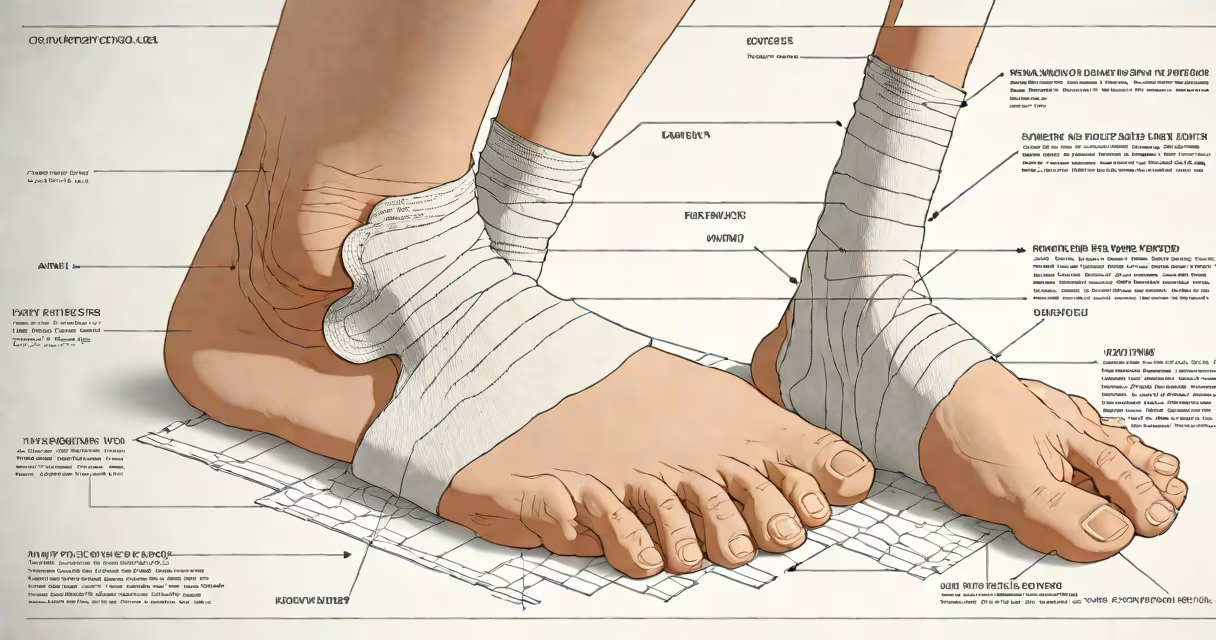
Applying cold, elevating the foot above heart level, and compressing the area with a bandage can reduce ankle swelling within 24 to 48 hours. These steps interrupt inflammatory signals and improve fluid drainage, especially when done within six hours of injury.
Swelling occurs when blood vessels dilate and leak fluid into surrounding tissues. This happens after trauma, overuse, or certain medical conditions. The goal is to reverse this process quickly. Cold therapy reduces blood flow to the area, limiting further leakage. Elevation uses gravity to pull fluid away from the joint. Compression prevents excess fluid accumulation by applying gentle pressure.
For most acute injuries-like a twist or sprain-these three actions form the foundation of immediate care. The R.I.C.E. protocol (Rest, Ice, Compression, Elevation) remains recommended by the American Academy of Orthopaedic Surgeons (AAOS) and the Mayo Clinic. Ignoring early intervention increases risk of prolonged discomfort and delayed healing.
Cold reduces metabolic activity in injured tissue. A 20-minute application of ice or cold pack lowers local temperature by 3-5°C, slowing enzyme release that triggers inflammation. This effect peaks within the first four hours post-injury.
Elevating the foot 6-12 inches above the heart removes about 30% more fluid from the ankle compared to lying flat. A study published in the Journal of Athletic Training found that patients who elevated their limbs during the first 24 hours reported 40% less swelling than those who did not.
Compression limits edema by supporting venous return. A properly applied elastic bandage applies 20-30 mmHg pressure-enough to restrict fluid buildup without cutting off circulation. Over-tightening causes more harm than good.
Use a sealed plastic bag filled with crushed ice or a commercial cold pack. Wrap it in a thin towel to avoid frostbite. Apply for 15-20 minutes every 2-3 hours during the first 48 hours. Do not apply directly to skin.
Improve the injured foot while sitting or lying down. Place pillows under the calf, not the ankle. Keep the knee slightly bent to prevent strain. Avoid standing or walking unless necessary.
Wrap the ankle with an elastic bandage starting at the base of the toes and spiraling upward. Maintain even tension-able to fit one finger underneath. Remove if numbness, tingling, or increased pain develops.
| Method | Duration | Frequency | Key Safety Note |
|---|---|---|---|
| Ice Application | 15-20 min | Every 2-3 hours | Never apply directly to skin |
| Elevation | Continuous during rest | As needed | Keep foot above heart level |
| Compression | Until swelling subsides | Remove if discomfort increases | Do not wrap too tightly |
Swelling that persists beyond 72 hours, worsens after initial improvement, or is accompanied by bruising, inability to bear weight, or warmth suggests a fracture or severe ligament tear. The American College of Foot and Ankle Surgeons recommends imaging if pain exceeds a 5/10 on a visual scale after 48 hours.
Warmth and redness indicate infection or deep vein thrombosis (DVT)-conditions requiring urgent evaluation. A 2021 study in the Annals of Internal Medicine found that 15% of patients presenting with unilateral leg swelling had undiagnosed DVT. Delayed treatment increases mortality risk.
I once treated a patient who ignored mild ankle swelling after a basketball game. By day three, he couldn't walk. An MRI revealed a torn anterior talofibular ligament. Early intervention would have reduced recovery time from six weeks to two.
Many assume heat reduces swelling. Heat increases blood flow and worsens inflammation. Applying heat within the first 48 hours can extend recovery by up to 50%, according to research in the British Journal of Sports Medicine.
Another error is wrapping too tightly. A 2019 review in the Journal of Orthopaedic & Sports Physical Therapy showed that 28% of patients who used compression bandages incorrectly developed compartment syndrome-a rare but serious condition involving muscle ischemia.
Some believe swelling is normal and must run its course. While mild swelling resolves on its own, rapid reduction prevents secondary complications like joint stiffness and chronic pain. The National Institute of Arthritis and Musculoskeletal and Skin Diseases notes that untreated swelling increases risk of osteoarthritis later in life.
Swollen ankles differ from generalized edema caused by heart failure or kidney disease. Those conditions cause bilateral swelling and often involve other symptoms-shortness of breath, fatigue, or facial puffiness. A swollen ankle from injury typically affects one side and appears suddenly.
Swelling due to gout or arthritis may last days to weeks and often involves redness and intense pain. Gout flares peak within 12 hours and respond to colchicine or NSAIDs. If swelling lasts longer than a week, consider consulting a rheumatologist.
Following the correct protocol-cold, elevation, compression-can get a swollen ankle down fast. Consistent application within the first 48 hours maximizes outcomes. Delaying action increases recovery time and risk of long-term issues.