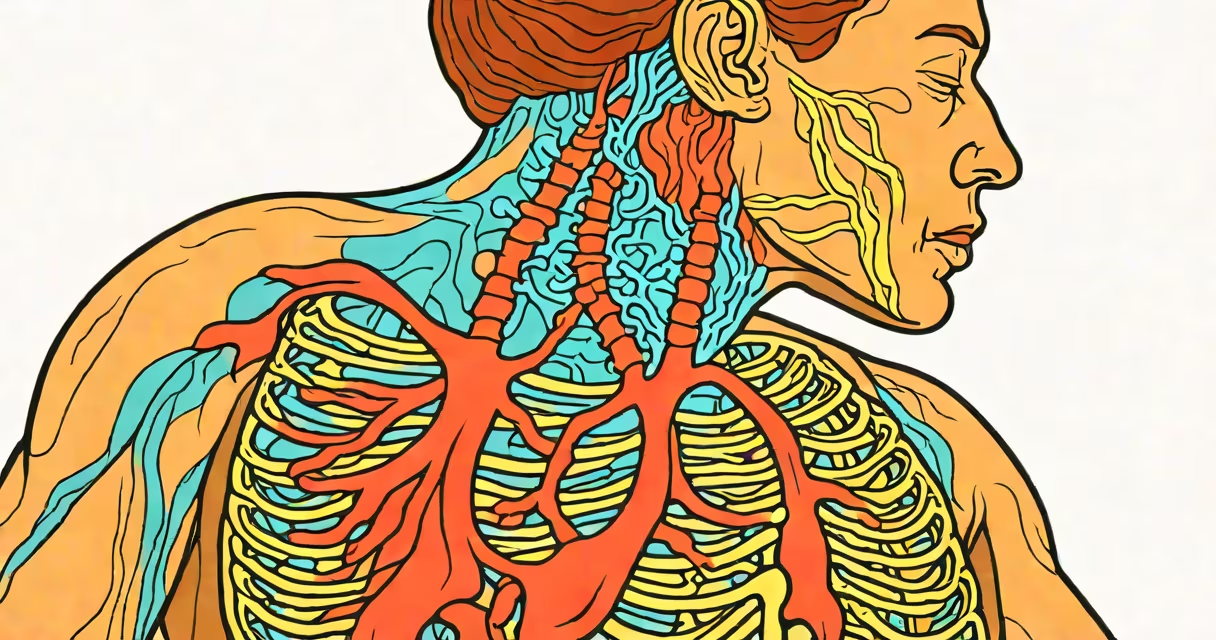
Pain in right lung when taking deep breath-also called pleuritic chest pain-is sharp, localized discomfort that worsens with inhalation. It results from inflammation or irritation of the pleura, the thin membranes lining the lungs and chest cavity. This condition may stem from infection, injury, or blood clots, and requires evaluation to rule out serious causes.
The pleura are two thin layers of tissue that surround each lung and line the inside of the chest wall. When inflamed, they rub against each other during breathing, creating sharp pain. The sensation typically occurs only on one side and intensifies with deep inhalation, coughing, or sudden movements. Pain often eases when breathing shallowly or holding the breath.
Common triggers include viral infections like pneumonia or bronchitis, bacterial pneumonia, pulmonary embolism (a blood clot in the lung artery), pneumothorax (collapsed lung), or costochondritis (inflammation of rib cartilage). Less frequently, it may indicate autoimmune conditions such as lupus or rheumatoid arthritis affecting the lungs.
During normal breathing, the pleural surfaces glide smoothly due to a small amount of lubricating fluid between them. When inflamed-due to infection, trauma, or clotting-the surfaces become rough and sensitive. Each breath pulls the inflamed tissues apart, triggering nerve endings in the pleura and sending sharp pain signals to the brain.
This pain is distinct from cardiac or gastrointestinal pain. It's usually unilateral, meaning it affects only one side of the chest. It doesn't radiate to the jaw or arm like heart-related pain. Instead, it's often described as stabbing, burning, or sharp, and may last seconds to minutes per breath.
A key diagnostic clue is that the pain diminishes when the patient holds their breath or presses a hand against the affected side. This maneuver reduces movement of the rib cage and decreases friction between the inflamed pleural layers.
Not all right-sided pleuritic pain stems from the same cause. Different conditions produce similar symptoms but require different treatments.
| Condition | Key Features | Prevalence/Notes |
|---|---|---|
| Viral pleurisy | Sharp pain worsens with deep breath; often follows cold or flu; resolves in days to weeks | Most common cause; self-limiting |
| Pulmonary embolism | Sudden onset; may include shortness of breath, rapid heart rate; risk increases with immobility or birth control use | Life-threatening; occurs in ~1 in 1,000 adults annually |
| Pneumonia | May include fever, productive cough, chills; pain localized to one area | Can lead to pleural effusion (fluid buildup) |
| Pneumothorax | Sudden sharp pain; may develop rapidly during physical activity or in tall, thin young men | Occurs in ~7.5 per 100,000 people per year |
| Costochondritis | Pain at the front of the chest near the sternum; reproducible with pressure; not related to lung movement | Often misdiagnosed as heart pain |
One non-obvious distinction: pleuritic pain from pneumonia or infection often improves with lying on the affected side. This position reduces movement of the inflamed pleura. In contrast, pain from pulmonary embolism tends to persist regardless of position and may worsen with movement.
Many assume right lung pain during deep breath is due to muscle strain or a pulled rib. While musculoskeletal pain can mimic pleuritic pain, it typically lacks the breath-dependent pattern. Muscular pain is constant or worsens with movement, not specifically with inhalation.
Another common confusion: mistaking pleuritic pain for heart attack symptoms. Cardiac pain often radiates to the left arm, jaw, or neck. Right-sided chest pain rarely indicates a heart issue unless there's underlying coronary disease. However, pulmonary embolism can mimic a heart attack, especially in older adults.
I once saw a 52-year-old woman who reported sharp right-side pain with deep breaths. She had no fever or cough. Initial diagnosis was costochondritis. After three weeks of worsening pain and new shortness of breath, a CT scan revealed a pulmonary embolism. Her symptoms were atypical-no leg swelling or prior clot history-but the breath-dependent nature of the pain was a red flag.
Seek immediate medical attention if pain in right lung when taking deep breath is accompanied by:
According to the American College of Chest Physicians, pulmonary embolism is underdiagnosed in up to 30% of cases. Early recognition is critical-mortality within 30 days exceeds 30% if untreated.
Diagnostic tools include chest X-ray (to rule out pneumonia or collapsed lung), CT pulmonary angiography (gold standard for detecting clots), and ultrasound for deep vein thrombosis. Blood tests like D-dimer can help exclude clots in low-risk patients.
If pain persists beyond a few days, worsens, or recurs, consult a healthcare provider. Self-diagnosis is unreliable. A doctor can distinguish between benign causes like viral pleurisy and life-threatening ones like pulmonary embolism.
Understanding pain in right lung when taking deep breath begins with recognizing its origin. It's not always a minor issue. Identifying the root cause ensures timely treatment and prevents complications.