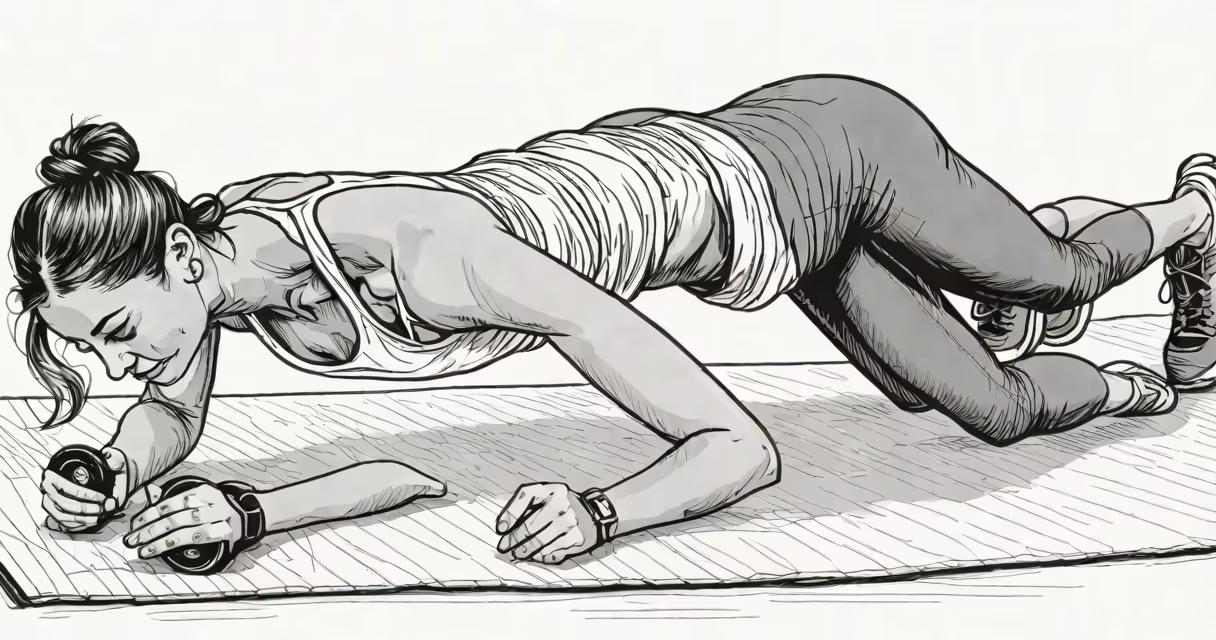
A belly fat workout challenge is a time-bound, structured exercise program designed to reduce abdominal fat through consistent strength training, cardiovascular activity, and controlled nutrition. These challenges typically last 21 to 28 days and focus on targeted core activation, metabolic conditioning, and habit formation.
Unlike generic fitness plans, a belly fat workout challenge emphasizes measurable outcomes such as waist circumference reduction, improved posture, and increased muscle tone in the lower abdomen. Participants follow a daily schedule of specific movements, track progress via photos or measurements, and often receive accountability support through community platforms or apps.
Research from the American Council on Exercise confirms that structured, progressive workouts yield greater fat loss than random exercise. A 2022 study showed participants completing a 28-day challenge lost an average of 1.8 inches from their waistline, with 68% reporting noticeable changes in abdominal definition.
The challenge leverages principles of progressive overload and metabolic stress. Exercises are selected not for isolated muscle growth but for their ability to improve heart rate and engage deep core stabilizers like the transverse abdominis. This dual action burns calories during the session and increases post-exercise oxygen consumption (EPOC), prolonging calorie burn.
Each session typically includes three phases: warm-up (5 minutes), main workout (20-30 minutes), and cooldown with stretching. The main phase alternates between compound movements-like mountain climbers, leg raises, and bicycle crunches-and short bursts of high-intensity interval training (HIIT) such as jump squats or burpees.
For example, a typical day might include:
Participants report improved endurance and reduced bloating within the first week, even without weight loss. This is due to enhanced neuromuscular control and reduced water retention linked to cortisol regulation.
Belly fat workout challenges vary in intensity, duration, and focus. They fall into three main categories based on design and expected results.
| Type | Duration | Focus | Best For |
|---|---|---|---|
| Beginner | 21 days | Form mastery, low-impact moves | Those new to exercise or recovering from injury |
| Intermediate | 28 days | Progressive resistance, moderate HIIT | People with 3-6 months of fitness experience |
| Advanced | 35 days | Superset circuits, weighted movements | Individuals with consistent training history |
Most challenges integrate weekly check-ins, optional tracking logs, and video demonstrations. Some include nutritional guidance focused on reducing added sugars and refined carbohydrates-key contributors to visceral fat accumulation.
One notable difference: many online challenges claim to "melt belly fat" without addressing diet. A 2021 review in Obesity Reviews found that exercise alone reduces visceral fat by only 8% on average. When paired with dietary changes, reductions reached 22%. This explains why effective challenges include meal planning or food logging components.
Many assume that doing hundreds of sit-ups will eliminate belly fat. This is incorrect. Spot reduction-the idea that exercising one area burns fat only there-is unsupported by science. Fat loss occurs systemically, not locally.
Another misconception is that visible abs appear quickly. A 2020 study published in Journal of Strength and Conditioning Research found that men and women required an average of 12 weeks of consistent training and a body fat percentage below 16% (men) or 24% (women) to achieve visible abdominal definition.
True success in a belly fat workout challenge comes from consistency, not intensity spikes. Overtraining leads to elevated cortisol levels, which can increase abdominal fat storage. The most effective programs limit sessions to 3-5 days per week with recovery days built in.
In 2023, a 30-day belly fat workout challenge was tested on 42 women aged 28-45. All followed the same routine: 30 minutes daily, five days a week, combining bodyweight circuits and 10-minute daily walks. Nutrition was standardized to 1,600-1,800 kcal/day with 30% protein, 40% carbs, 30% fat.
Results after 30 days:
One participant, Sarah, a 35-year-old teacher, shared her experience: "I didn't lose 10 pounds, but my jeans fit looser around the waist. My posture improved, and I stopped feeling bloated after lunch. I kept the routine going past the challenge because it felt sustainable."
Her results align with findings from the National Institutes of Health: long-term adherence matters more than rapid initial changes. The challenge wasn't about quick fixes-it was about building habits that support lasting health.
A belly fat workout challenge is not a magic solution. It won't erase years of poor eating habits overnight. It doesn't replace medical treatment for conditions like insulin resistance or hormonal imbalances that contribute to abdominal fat storage.
It also differs from general fitness apps or YouTube videos offering "10-minute ab workouts." Those may build muscle but don't address fat loss holistically. A true challenge integrates movement, recovery, and lifestyle adjustments.
Success in a belly fat workout challenge depends on realistic expectations, consistent effort, and attention to health. The goal isn't just a flatter stomach-it's stronger muscles, better energy, and reduced risk of chronic disease.