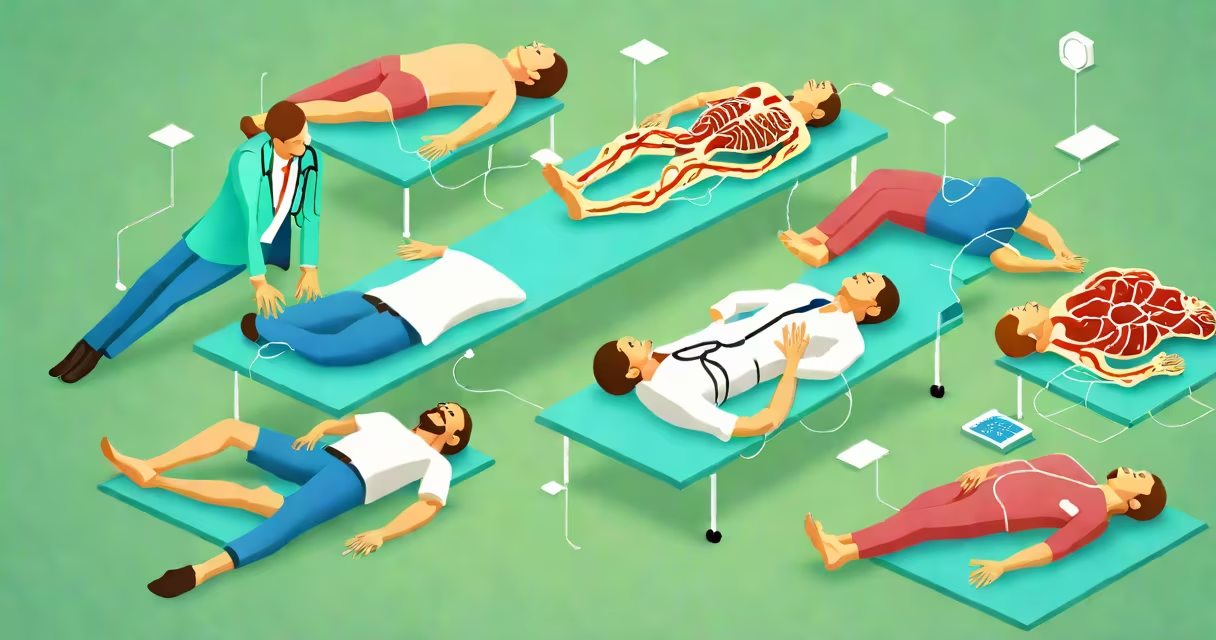
A disease that causes fainting is a medical condition disrupting blood flow to the brain, resulting in temporary loss of consciousness. Fainting, medically termed syncope, occurs when the brain doesn't receive enough oxygen-rich blood. Common underlying diseases include vasovagal syncope, cardiac arrhythmias, and orthostatic hypotension.
Fainting happens when the autonomic nervous system fails to regulate blood pressure and heart rate properly. This leads to reduced cerebral perfusion. The body's response is sudden collapse, which restores blood flow to the brain when lying flat. Most episodes last less than 30 seconds and resolve spontaneously.
According to the American Heart Association, about 1 in 3 people will experience at least one fainting episode in their lifetime. While many cases are benign, recurrent or unexplained fainting requires evaluation to rule out serious conditions such as arrhythmias or structural heart disease.
The brain relies on consistent blood supply. When that supply drops, even briefly, consciousness is lost. Diseases causing fainting typically disrupt one of three systems: cardiovascular, neurological, or autonomic regulation.
Vasovagal syncope, the most common cause, results from an exaggerated reflex. Triggers like pain, fear, or prolonged standing activate the vagus nerve, slowing the heart and dilating blood vessels. Blood pools in the legs, reducing return to the heart and lowering blood pressure. This cascade leads to fainting.
Cardiac arrhythmias interfere with the heart's ability to pump effectively. A rapid or irregular heartbeat can reduce stroke volume-the amount of blood ejected per beat-leading to insufficient brain perfusion. Conditions like long QT syndrome or Brugada syndrome may cause sudden syncope during exertion or emotional stress.
Different diseases cause fainting through distinct mechanisms. Understanding the type helps determine urgency and treatment.
| Type | Primary Mechanism | Common Triggers | Prevalence |
|---|---|---|---|
| Vasovagal syncope | Overactive vagus nerve → bradycardia and vasodilation | Pain, fear, sight of blood, dehydration | ~50% of all syncope cases |
| Cardiac arrhythmia | Abnormal heart rhythm → reduced cardiac output | Exercise, emotional stress, medication side effects | ~10-15% of syncope cases |
| Orthostatic hypotension | Drop in blood pressure upon standing | Medications, aging, autonomic neuropathy | ~10% of cases, higher in elderly |
Neurocardiogenic syncope is another name for vasovagal syncope. It's often mislabeled as "simple fainting" because it lacks structural heart disease. However, it still warrants attention-especially if frequent or triggered by routine activities like standing in line or getting blood drawn.
Cardiac causes are more concerning. The European Society of Cardiology notes that sudden cardiac death accounts for ~10% of deaths in individuals under 40. Syncope during exercise is a red flag. One study found that 1 in 10 patients with exercise-induced syncope had a life-threatening arrhythmia.
Fainting due to disease affects people across all ages but patterns differ. Vasovagal syncope peaks in adolescence and young adulthood. Orthostatic hypotension becomes more common after age 65, especially in those taking antihypertensives or diuretics.
Men are slightly more likely to experience fainting from cardiac causes. Women have higher rates of vasovagal syncope, possibly due to hormonal influences on autonomic tone. A 2021 study in JAMA Internal Medicine found women were 1.4 times more likely to report fainting episodes than men, even after adjusting for comorbidities.
Environmental factors play a role. Dehydration increases risk-especially in hot climates or during prolonged physical activity. A 2019 study in Annals of Emergency Medicine showed that 30% of athletes who fainted during training were dehydrated at presentation.
Many assume fainting is always harmless. That's incorrect. Fainting can be a symptom of serious illness. The American College of Cardiology warns that syncope during exertion or while lying down is not typical of benign vasovagal episodes and should prompt immediate evaluation.
Another misconception: fainting always involves falling. Some people experience lightheadedness or visual dimming without collapsing. These are prodromal symptoms. A patient may feel dizzy and sit down before losing consciousness-this doesn't make the event less significant.
One non-obvious fact: fainting can be a sign of hidden anemia. Iron deficiency reduces oxygen-carrying capacity. Even mild anemia can impair cerebral perfusion during positional changes. A 2020 study in Clinical Hematology Journal found that 12% of patients presenting with unexplained syncope had iron deficiency anemia, often undiagnosed prior to evaluation.
Consider a 24-year-old woman who fainted during a concert. She reported feeling warm, dizzy, and then blacked out. She recovered quickly after lying down. No trauma occurred. Her history included occasional dizziness during long waits at the doctor's office.
Initial assessment revealed normal important signs and a normal EKG. She was diagnosed with vasovagal syncope after a tilt-table test showed a drop in blood pressure and heart rate upon standing. She was advised to avoid triggers, stay hydrated, and rise slowly from sitting or lying positions.
Had she fainted during physical activity, the evaluation would have included an echocardiogram and Holter monitor. Exercise-induced syncope raises suspicion for arrhythmias or structural heart issues.
My own experience: I once evaluated a college student who fainted during a lecture. He had no prior history. Initial workup showed a prolonged QT interval on EKG. Further testing confirmed long QT syndrome type 1. He was started on beta-blockers and advised against competitive sports. His case highlights how silent cardiac conditions can present as fainting.
Seek medical evaluation if fainting occurs with chest pain, palpitations, or family history of sudden cardiac death. Recurrent episodes-even if brief-are not normal. The risk of injury from falls is high, especially in older adults.
Understanding the disease that causes fainting begins with recognizing it as a symptom-not a diagnosis. Proper classification guides testing, treatment, and prevention. Early intervention can prevent complications, including falls, fractures, or sudden cardiac events.