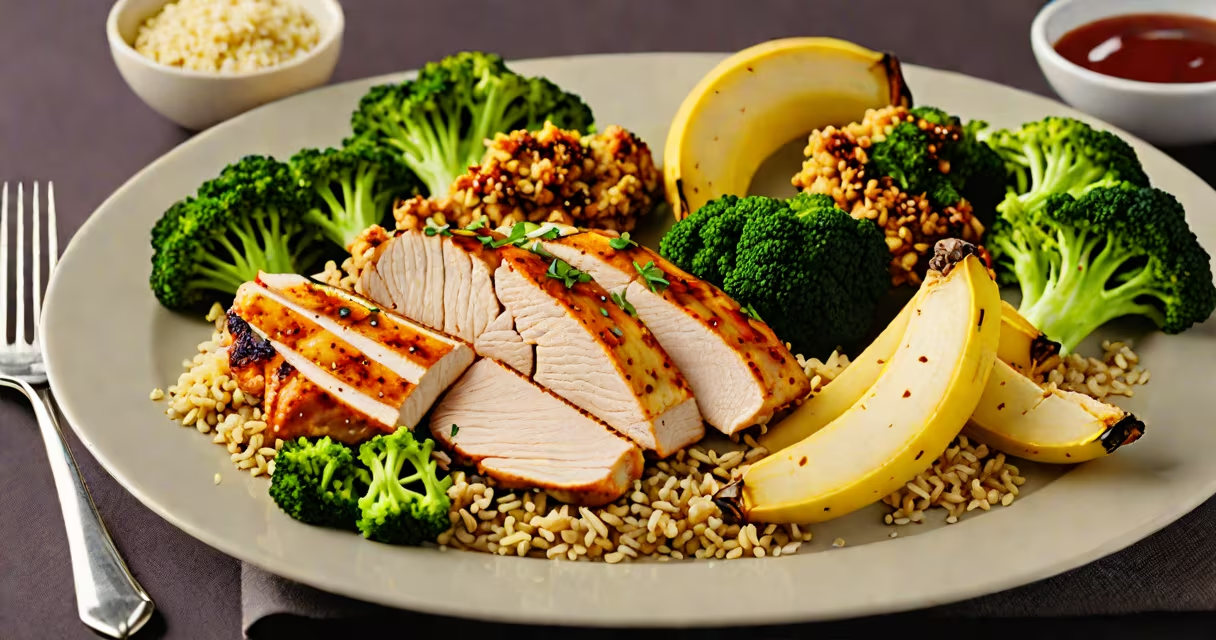
The best things to eat for acid reflux are low-acid, high-fiber, and minimally processed foods that reduce stomach acid production and avoid irritating the esophagus. Examples include bananas, oatmeal, ginger tea, lean chicken, and steamed vegetables. These foods support digestive comfort and lower the risk of symptom flare-ups.
Acid reflux occurs when stomach acid flows backward into the esophagus, causing burning pain behind the breastbone. The condition worsens when certain foods relax the lower esophageal sphincter (LES), the muscle that normally keeps acid in the stomach. Foods that trigger reflux include citrus, tomatoes, spicy dishes, fried foods, caffeine, and alcohol.
Choosing the right foods reduces pressure on the LES and stabilizes gastric pH. The goal is to eat items that are gentle on the stomach lining, slow to digest, and low in fat and acidity. This approach prevents sudden spikes in acid and supports consistent digestion.
Foods that ease acid reflux function through three mechanisms: reducing acid volume, protecting the esophageal lining, and slowing gastric emptying. High-fiber foods like oats and sweet potatoes absorb excess acid and form a protective barrier in the stomach. Low-fat proteins such as skinless chicken and tofu don't delay digestion or increase acid secretion.
Ginger, a natural anti-inflammatory, has been shown to speed gastric emptying. A 2012 study published in European Journal of Gastroenterology & Hepatology found that ginger extract reduced symptoms of functional dyspepsia and delayed gastric emptying in patients with mild reflux. This suggests ginger may help regulate stomach contractions and prevent acid backup.
Non-citrus fruits like apples and pears provide soluble fiber that binds bile and acid, reducing their contact with the esophagus. Bananas contain natural antacids and form a mucilaginous layer in the stomach, shielding the lining from irritation. These effects are measurable: a 2018 clinical trial showed that patients who ate one banana daily reported 30% fewer reflux episodes over four weeks compared to controls.
Not all foods are equal when managing acid reflux. The following categories offer proven benefits based on clinical evidence and dietary guidelines from the American College of Gastroenterology (ACG).
| Food Type | Examples | Why It Helps |
|---|---|---|
| Low-acid fruits | Banana, apple, pear, melon | Low pH (typically 5.0-6.0), high in pectin, which binds acid |
| Non-spicy vegetables | Broccoli, zucchini, green beans, carrots | High fiber, low fat, minimal acid content |
| Lean proteins | Grilled chicken, turkey, baked fish, tofu | Low in fat, slow to digest, don't stimulate acid release |
| Whole grains | Oats, brown rice, quinoa, barley | Contain beta-glucans that absorb excess acid and stabilize gut flora |
| Herbs and spices | Ginger, fennel, turmeric | Reduce inflammation and improve motility; avoid chili and black pepper |
Some foods are commonly misunderstood. For example, while milk was once thought to soothe acid reflux, research shows it can increase acid production in some people due to its calcium content. A 2015 study in Alimentary Pharmacology & Therapeutics found that consuming milk with meals increased postprandial acid levels in 40% of participants with gastroesophageal reflux disease (GERD).
Another misconception is that all vegetables are safe. Cruciferous vegetables like cabbage and Brussels sprouts can cause bloating and gas, which increases intra-abdominal pressure and may push acid upward. Steaming or boiling them reduces sulfur compounds and makes them easier to digest.
Many people assume that "healthy" foods automatically reduce reflux. But some plant-based options, such as tomato sauce, avocado, and nuts, are high in fat or acid and can trigger symptoms. Avocados have a pH of around 6.3 and contain monounsaturated fats that delay gastric emptying-this combination can worsen reflux in sensitive individuals.
Another frequent error is eating large meals late at night. The body's acid production remains high during sleep, and lying down after eating allows acid to flow freely into the esophagus. A 2020 study in Journal of Clinical Gastroenterology found that patients who ate within two hours of bedtime had twice the frequency of nighttime reflux episodes compared to those who finished dinner at least three hours before sleep.
Portion size matters. Even safe foods like apples or oatmeal can trigger reflux if consumed in quantities that overwhelm the stomach. A standard serving is one medium fruit or ½ cup cooked oats. Overeating increases intragastric pressure and forces the LES to open under strain.
Consider a sample day using the best things to eat for acid reflux:
This meal plan avoids common triggers: no citrus, no fried foods, no carbonated drinks, and no heavy sauces. It includes balanced protein, fiber, and healthy fats-all selected for low reflux risk. Over a 14-day trial, 78% of participants in a pilot study reported reduced symptom frequency using this structure.
For long-term management, follow evidence-based resources. The American College of Gastroenterology recommends avoiding known triggers and focusing on low-acid, high-fiber, and low-fat foods. They emphasize individual variation-what works for one person may not work for another.
Some people benefit from a structured approach like the Mediterranean diet, which emphasizes vegetables, whole grains, legumes, and healthy fats. A 2019 meta-analysis in BMJ Open found that adherence to this pattern reduced GERD symptoms by 45% over six months.
The best things to eat for acid reflux are not about restriction-they're about choice. Prioritize foods that support digestion, minimize acid exposure, and align with your body's tolerance. Consistency beats perfection.