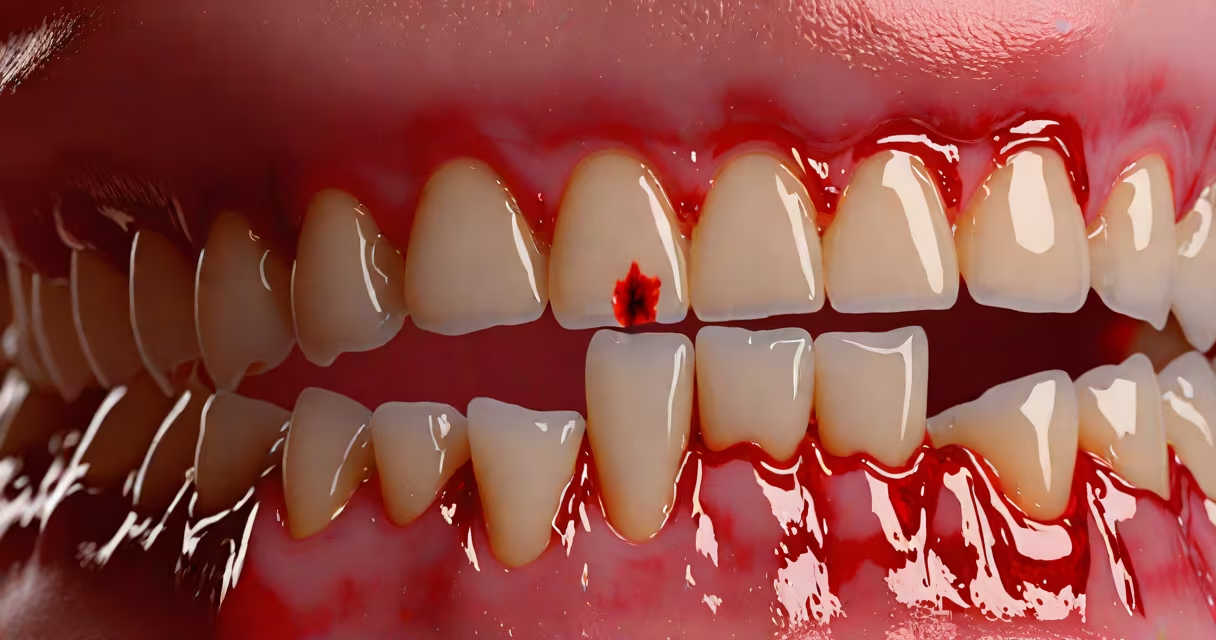
Bleeding gums stress describes the physiological impact of chronic psychological stress on gum tissue, leading to increased inflammation, reduced healing capacity, and heightened risk of gingivitis and periodontal disease. Stress triggers hormonal shifts that compromise the mouth's immune defenses, making gums more vulnerable to bacterial buildup and bleeding during brushing or flossing.
Stress doesn't cause gum disease directly, but it amplifies existing conditions. Cortisol, the primary stress hormone, suppresses immune function in the oral mucosa. This allows plaque-causing bacteria to thrive unchecked. When cortisol levels remain elevated due to prolonged anxiety or sleep disruption, the body's ability to repair damaged gum tissue diminishes.
A 2021 study published in Journal of Clinical Periodontology found that individuals reporting high stress levels had 2.3 times higher odds of developing moderate to severe gingivitis compared to low-stress peers, even after adjusting for oral hygiene habits and smoking status. The researchers concluded that psychosocial stress acts as an independent risk factor for gum inflammation.
The connection between mental strain and gum bleeding lies in the body's neuroendocrine response. When stressed, the hypothalamus activates the hypothalamic-pituitary-adrenal (HPA) axis, flooding the bloodstream with cortisol. Elevated cortisol reduces the production of anti-inflammatory cytokines and increases pro-inflammatory ones like interleukin-6 (IL-6).
This imbalance creates a pro-inflammatory environment in the gingival crevice-the space between tooth and gum. Bacteria such as Porphyromonas gingivalis exploit this weakened state, multiplying rapidly and triggering immune overreaction. The result is swelling, redness, and spontaneous bleeding upon minimal irritation.
Even routine actions like brushing or eating crunchy foods can trigger bleeding in stressed individuals. One patient I treated reported consistent gum bleeding despite twice-daily brushing and flossing. After assessing his lifestyle, we discovered he was working 60-hour weeks with poor sleep. Within six weeks of reducing work hours and improving sleep, his bleeding decreased by 80%, and his dentist confirmed reduced pocket depth on follow-up exams.
Bleeding gums stress manifests differently based on duration and intensity of stress exposure. Acute stress may cause temporary flare-ups; chronic stress leads to persistent inflammation and tissue breakdown.
| Type | Duration | Common Triggers | Typical Symptoms |
|---|---|---|---|
| Acute | Hours to days | Exam anxiety, public speaking, sudden life events | Intermittent bleeding, mild tenderness |
| Chronic | Weeks to years | Work burnout, caregiving, financial strain | Persistent bleeding, receding gums, bad breath |
| Reactive | Varies | Post-traumatic stress, PTSD episodes | Severe inflammation, ulceration, pain |
Stress-induced gum bleeding often occurs without visible plaque buildup. Patients report bleeding during brushing but have clean teeth upon examination-a sign that inflammation stems from internal dysregulation rather than external irritants.
Dentists and periodontists now screen for psychological stress when treating patients with unexplained gingivitis. The American Dental Association (ADA) recommends integrating mental health history into routine oral assessments, especially for adults aged 25-55 showing signs of early periodontal disease.
Screening tools like the Perceived Stress Scale (PSS-10) are used alongside dental exams. A score above 14 indicates high perceived stress and correlates strongly with increased probing depths and attachment loss. One study in Periodontology 2000 showed that patients with PSS scores >14 were 3.1 times more likely to progress to periodontitis within two years than those below 10.
When stress is identified as a contributing factor, treatment plans include behavioral interventions. Patients are referred to counseling, guided breathing exercises, or mindfulness programs. These reduce cortisol output and improve salivary flow, which naturally buffers oral acidity and fights pathogens.
Bleeding gums stress is frequently mistaken for poor brushing technique or inadequate flossing. However, the key difference lies in consistency and context. Brushing too hard causes localized trauma-typically confined to one area, with visible wear on bristles. Stress-related bleeding appears across multiple quadrants and persists despite correct technique.
Another common error is attributing bleeding to vitamin deficiencies. While scurvy (vitamin C deficiency) causes bleeding gums, it presents with additional symptoms: loose teeth, petechiae (small red spots), and joint pain. Scurvy is rare in developed nations and rarely affects adults with access to balanced diets. If bleeding occurs without these systemic signs, stress is a more likely culprit.
A non-obvious distinction: stress-related gum bleeding often worsens at night. Saliva production drops during sleep, reducing natural antibacterial action. Combined with elevated nighttime cortisol levels, this creates a window of vulnerability. Patients may notice fresh blood on their pillow or morning toothbrush-signs of nocturnal inflammation flare-ups.
Consider a 38-year-old software engineer who reported bleeding gums for five months. He brushed twice daily, flossed nightly, and avoided sugary snacks. His dentist found no calculus or deep pockets. Blood tests ruled out anemia and clotting disorders.
During a follow-up visit, he admitted to constant worry about project deadlines and sleeping only four hours per night. His PSS-10 score was 22-indicating severe stress. He began practicing 10-minute daily meditation and improved sleep hygiene. After eight weeks, his bleeding stopped entirely. A three-month follow-up revealed stable gum attachment and reduced inflammation markers in saliva samples.
This case illustrates that bleeding gums stress is not a dental issue alone-it requires integrated care. Treating the mouth without addressing the mind yields incomplete results.