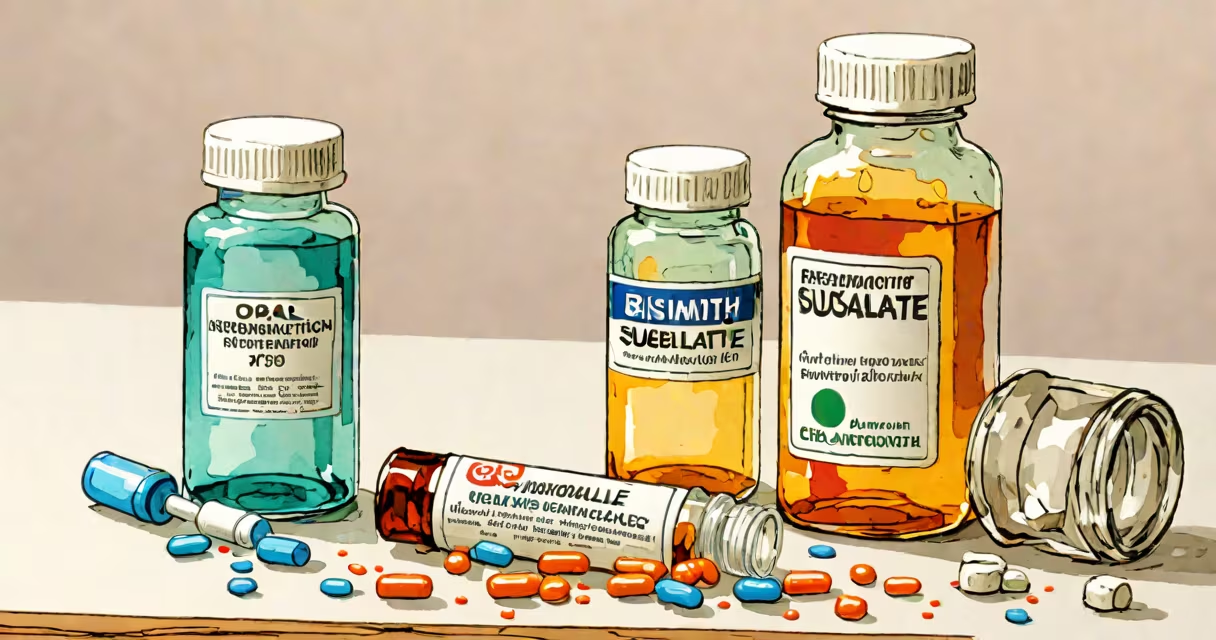
The best medicine for vomit and diarrhea depends on the cause, duration, and patient age. For most cases, rehydration with oral electrolyte solutions takes priority over medication. Over-the-counter options like bismuth subsalicylate or loperamide may reduce symptoms but do not treat infections. Always consult a healthcare provider if symptoms persist beyond 48 hours, involve blood, or affect infants, older adults, or people with chronic conditions.
Acute nausea and vomiting often stem from viral gastroenteritis, commonly called "stomach flu." Diarrhea results from intestinal irritation, fluid loss, and altered motility. The primary goal is preventing dehydration, which occurs when fluid loss exceeds intake. Medications play a secondary role-they manage discomfort, not the root cause.
For adults and children over 12, bismuth subsalicylate (e.g., Pepto-Bismol) reduces both nausea and loose stools by coating the gut lining and mildly suppressing inflammation. A 2019 Cochrane review found it effective in reducing duration of acute diarrhea by about 12 hours compared to placebo, though side effects like blackened tongue or stool are common. Loperamide (Imodium) slows bowel movements by reducing intestinal contractions. It's not recommended for children under 2 or people with bloody diarrhea due to risk of toxic megacolon.
Bismuth subsalicylate acts locally in the GI tract. It binds toxins produced by bacteria like *E. coli* and *Salmonella*, reduces mucosal inflammation, and decreases fluid secretion. It doesn't absorb into the bloodstream, minimizing systemic side effects. However, it contains salicylates, so it's unsafe for people with aspirin allergies or those taking blood thinners.
Loperamide blocks opioid receptors in the gut wall, slowing transit time. This allows more water absorption and firmer stools. But it can prolong infection if used too early-especially in cases caused by invasive pathogens. The FDA warns against using loperamide in patients with fever or bloody stools because it may trap harmful organisms in the intestine.
Antiemetics like dimenhydrinate (Dramamine) or ondansetron (Zofran) are reserved for severe nausea. Ondansetron is prescribed for chemotherapy-induced nausea but has shown modest benefit in children with acute gastroenteritis. A 2021 study in *The Lancet* found it reduced vomiting episodes by 20% in kids aged 6 months to 5 years-but only when given alongside rehydration.
| Treatment Type | Common Examples | Best For | When to Avoid |
|---|---|---|---|
| Oral rehydration solutions | Pedialyte, DripDrop, WHO Oral Rehydration Salt | Everyone with mild-to-moderate dehydration | None-safe for all ages |
| Bismuth subsalicylate | Pepto-Bismol, Kaopectate | Adults and teens with non-bloody diarrhea and nausea | Children under 12, aspirin allergy, bleeding disorders |
| Loperamide | Imodium, generic versions | Adults with non-bloody, non-febrile diarrhea | Children under 2, fever, blood in stool, suspected bacterial infection |
| Antiemetics | Dimenhydrinate, ondansetron | Severe nausea, especially in children or post-op settings | Use only under medical guidance; avoid in pregnancy unless advised |
Rehydration remains the gold standard. The World Health Organization recommends 50-100 mL of oral rehydration solution per kg of body weight over 4 hours for moderate dehydration. For a 15 kg child, that's 750-1,500 mL total. Sipping small amounts frequently prevents further vomiting.
I once treated a 4-year-old with persistent vomiting after a family picnic. The child had eaten grilled chicken and potato salad left out overnight. After two rounds of vomiting and six loose stools, we started oral rehydration with Pedialyte. Within 6 hours, the child tolerated sips and stopped vomiting. We avoided loperamide until the fever resolved. The child recovered fully within 24 hours. This case illustrates that symptom control isn't always faster than supportive care.
Many assume antibiotics are needed for diarrhea. They're ineffective and potentially harmful. Antibiotics disrupt gut flora, increasing risk of *Clostridioides difficile* infection. The CDC states that antibiotics should only be used for confirmed bacterial causes like *Shigella* or *Campylobacter*, not viral or toxin-mediated cases.
Another misconception is that stopping diarrhea quickly is ideal. Slowing bowel movements can trap pathogens. Loperamide should never be used in febrile or bloody diarrhea. A 2020 study in *Clinical Infectious Diseases* linked early loperamide use to longer hospital stays in children with *Shigella* infection.
Some confuse "stomach flu" with influenza. Influenza causes respiratory symptoms and fever but rarely causes vomiting or diarrhea. Gastroenteritis is distinct-it's primarily gastrointestinal, even if accompanied by low-grade fever or malaise.
Seek immediate care if vomiting lasts more than 24 hours, diarrhea persists beyond 48 hours, or blood appears in vomit or stool. Blood in vomit (hematemesis) or black, tarry stools (melena) suggest upper GI bleeding. Bright red blood in stool indicates lower GI involvement. These require urgent evaluation.
Infants under 6 months, elderly individuals, and people with diabetes, kidney disease, or immunosuppression are at higher risk for complications. Dehydration signs include dry mouth, sunken eyes, lethargy, and decreased urine output. A child who hasn't urinated in 8 hours should be seen promptly.