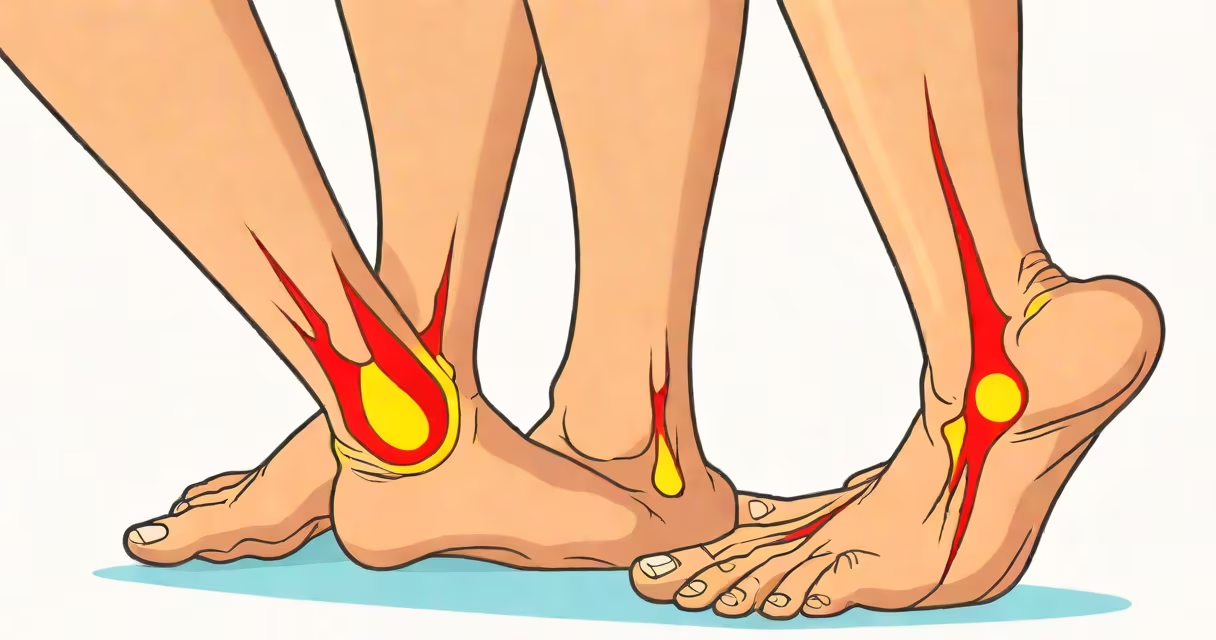
calf pain from dehydration results from reduced fluid volume and disrupted electrolyte balance, leading to involuntary muscle contractions or cramps. This condition typically arises during or after physical activity, especially in hot environments, when fluid loss exceeds intake.
Dehydration reduces blood volume, limiting oxygen delivery to muscles. When sodium, potassium, calcium, and magnesium levels drop, nerve signals misfire, causing muscles to contract uncontrollably. The calf, being a major weight-bearing muscle group, is highly susceptible. A 2021 study in Frontiers in Physiology found that even mild dehydration (1-2% body weight loss) increases neuromuscular fatigue and cramp incidence during exercise.
Unlike injury-related pain, calf pain from dehydration usually resolves quickly with rehydration and stretching. It often strikes at night or during prolonged exertion. The pain is sharp, localized, and may last seconds to minutes. It doesn't worsen with movement and leaves no lasting soreness.
When the body loses fluids through sweat, urine, or respiration, plasma volume drops. This reduces perfusion to skeletal muscles, impairing nutrient and oxygen delivery. Electrolytes-especially sodium and potassium-are critical for nerve impulse transmission and muscle relaxation. Low levels disrupt the normal contraction-relaxation cycle.
For example, a runner training in 90°F heat without replacing lost sweat may lose 1.5 liters of fluid in two hours. Sweat contains ~10-30 mmol/L sodium and ~3-6 mmol/L potassium. Without replenishment, serum sodium can fall below 135 mmol/L, triggering hyperexcitability in motor neurons. This leads to spontaneous firing and sustained muscle contraction-the sign of a cramp.
A 2019 review in Journal of Sports Sciences confirmed that dehydration-induced cramps are not due to muscle fatigue alone but involve altered neuromuscular control. The study noted that cramps occur most frequently in muscles with high motor unit density-like the gastrocnemius in the calf-because they're more sensitive to neural disturbances.
Calf pain from dehydration manifests in distinct patterns based on timing and context:
| Pattern | Timing | Common Causes | Relief Method |
|---|---|---|---|
| Exercise-associated cramps | During or immediately after activity | Sweat loss, inadequate electrolyte replacement | Stretching, oral rehydration solution |
| Nocturnal cramps | At night, often while sleeping | Daytime dehydration, reduced circulation during rest | Manual stretch, warm compress, hydration before bed |
| Recurrent cramps | Repeated episodes over days | Chronic underhydration, poor dietary intake of electrolytes | Regular fluid and electrolyte monitoring |
These patterns differ from injury-related pain. For instance, a strain from overuse causes persistent soreness, swelling, and tenderness. Pain and swelling in calf often indicates deeper issues like deep vein thrombosis (DVT), which requires medical evaluation. DVT pain is dull, constant, and worsens with standing or walking-not relieved by stretching.
One non-obvious distinction: dehydration cramps rarely affect both calves simultaneously. If both legs cramp at once, consider neurological or metabolic causes such as hypocalcemia or peripheral neuropathy. A single-sided cramp during sleep is far more likely due to dehydration.
In 2022, a 38-year-old marathoner reported recurring calf cramps during long runs and nightly awakenings. He trained 60 miles weekly in summer, drank water only, and skipped electrolyte supplements. Blood tests showed serum sodium of 132 mmol/L and potassium of 3.3 mmol/L-both below optimal ranges.
After switching to a sports drink with 500 mg sodium and 200 mg potassium per 500 mL, his cramps dropped from 8 per week to 1 in 3 weeks. He also began hydrating with 500 mL of water and 10 g of electrolyte mix 30 minutes before bedtime. Within two weeks, nocturnal episodes ceased.
This case illustrates that hydration isn't just about water-it's about maintaining electrolyte equilibrium. Replacing fluids with plain water can dilute sodium further, worsening cramp risk. The American College of Sports Medicine recommends consuming 300-600 mg sodium per liter of fluid during prolonged exercise.
First, stop activity and gently stretch the cramped muscle. Hold the stretch for 15-30 seconds until the spasm eases. Then, sip 500 mL of an electrolyte-replacement beverage-such as a solution with sodium, potassium, and magnesium-or eat a banana and a handful of pretzels.
If cramps persist beyond 30 minutes, or if swelling, redness, or warmth develops, seek medical care. These signs suggest DVT or infection, not dehydration. The Mayo Clinic states that DVT-related calf pain is often described as "aching" or "heavy," not sharp or spasmodic.
I once observed a cyclist who experienced severe calf cramps during a 120-mile ride. He had consumed only water and energy gels. After stopping, he drank a sports drink and performed a seated forward bend. The cramp resolved in 90 seconds. His recovery highlights that timely rehydration prevents performance collapse.
Prevention includes drinking 500 mL of fluid every hour during moderate to intense activity. Add 200-300 mg sodium per liter if exercising in heat or for over 90 minutes. Avoid alcohol and caffeine, which increase urinary output and accelerate dehydration.
Many assume calf pain from dehydration is always caused by lack of water. But the issue is often electrolyte imbalance. Drinking excessive water without electrolytes can lead to hyponatremia-a dangerous drop in blood sodium. This condition causes confusion, nausea, and in severe cases, seizures or coma.
Another misconception is that cramps mean you're out of shape. They don't. Even elite athletes experience dehydration cramps. A 2020 study in Medicine & Science in Sports & Exercise found that 60% of elite runners reported cramping during competition, regardless of fitness level.
Finally, some believe stretching prevents all cramps. While effective for relief, stretching doesn't address the root cause-fluid and electrolyte loss. Prevention requires consistent hydration and electrolyte intake, not just reactive stretching.