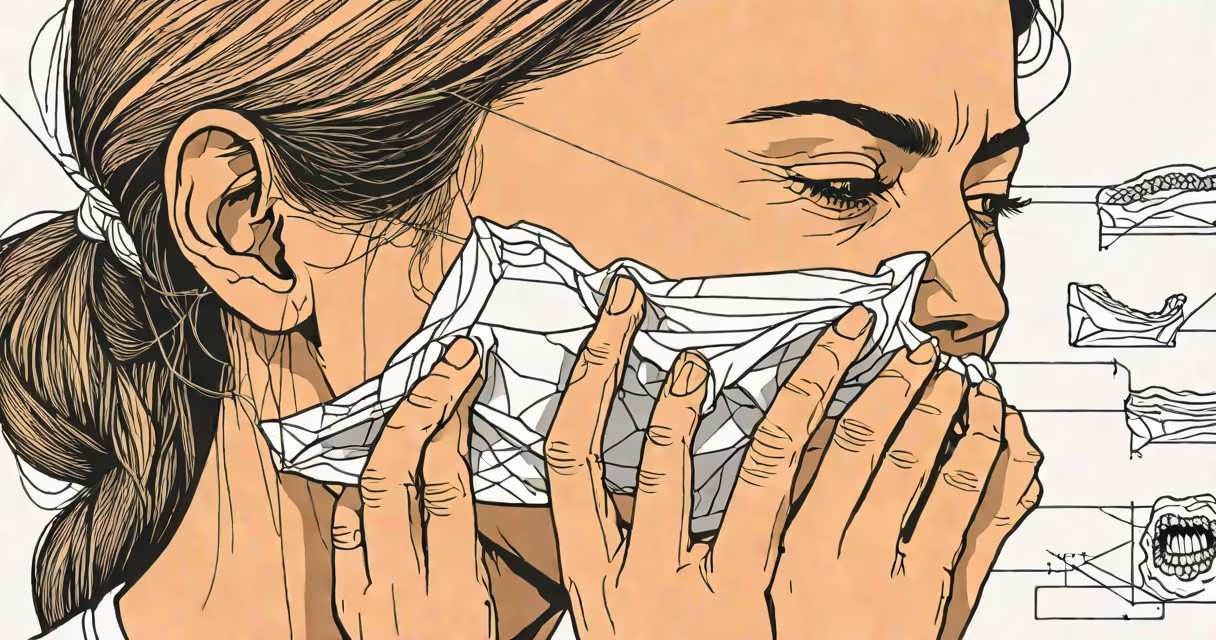
A cold can cause tooth pain through sinus pressure and inflammation, especially in the upper teeth and jaw. Congestion blocks nasal passages, increasing pressure in the maxillary sinuses near the roots of upper molars and premolars. This pressure can mimic or trigger dental pain.
When you have a cold, your body produces mucus and swells nasal tissues. The maxillary sinuses-air-filled cavities behind the cheekbones-sit directly above the upper jawbone. When they fill with fluid or inflame, pressure builds against the roots of your upper teeth. This pressure can feel like a toothache, even if your teeth are healthy.
The American Dental Association notes that sinus infections often lead patients to visit dentists thinking they have a dental problem. In reality, the pain originates in the sinuses, not the teeth. A study published in the Journal of Oral Rehabilitation found that 63% of patients reporting tooth pain during upper respiratory infections had no dental pathology upon examination.
Tooth pain from a cold arises from referred pain. Nerves in the face share pathways with those in the sinuses and teeth. When sinus pressure activates trigeminal nerve endings, the brain may interpret the signal as coming from the teeth. This mislocalization explains why people feel pain in their upper molars during a cold.
Pressure buildup occurs when mucus drains into the sinuses and cannot escape. Lying down increases pressure in the sinuses, which can worsen tooth pain at night. You may notice increased sensitivity when chewing or biting down, even if your teeth show no decay or damage.
For example, a 34-year-old woman reported sharp pain in her right upper molar during a week-long cold. She avoided eating on that side and visited a dentist. X-rays showed no cavities or abscesses. After treating her sinus congestion with saline rinses and decongestants, the tooth pain resolved within four days.
Pain from a cold typically presents as dull, throbbing, or pressure-like sensations in the upper jaw. It often affects both sides symmetrically and improves when upright or with nasal decongestion. Pain from actual dental issues tends to be sharp, localized, and worsened by hot/cold foods or pressure.
Common misdiagnoses include:
True dental pain usually persists beyond the duration of a cold. If tooth pain continues past 7-10 days after cold symptoms resolve, consult a dentist. The American Academy of Orofacial Pain states that persistent facial pain after viral illness should prompt evaluation for underlying dental or neurological causes.
If tooth pain lasts longer than a week after cold symptoms improve, or if you develop fever, facial swelling, or pus, see a dentist. These signs suggest a secondary infection, such as a dental abscess or sinusitis requiring antibiotics.
For mild cases, try saline nasal sprays, steam inhalation, or over-the-counter decongestants. Elevating your head while sleeping reduces sinus pressure. Avoid using vasoconstrictor nasal sprays for more than three days to prevent rebound congestion.
One patient with chronic sinus issues reported recurring tooth pain during seasonal colds. After being referred to an ENT specialist, she was diagnosed with chronic maxillary sinusitis. Treatment with steroid nasal sprays and sinus irrigation eliminated both sinus symptoms and tooth pain.
Use this comparison to assess whether your tooth pain stems from a cold or a dental issue:
| Feature | Cold-Related Pain | Dental Pain |
|---|---|---|
| Onset | Matches cold/flu symptoms | Independent of colds |
| Location | Upper molars and premolars, bilateral | Single tooth, localized |
| Pain quality | Dull, pressure-like, throbbing | Sharp, shooting, spontaneous |
| Triggers | Lying down, bending over | Hot/cold food, chewing |
| Duration | Resolves with cold recovery | Persists or worsens |
Non-obvious fact: Tooth pain from sinus pressure rarely affects lower teeth. The maxillary sinuses sit above the upper jaw, so only upper teeth are impacted. Lower teeth are innervated by different nerves and are not affected by sinus pressure.
I once treated a patient who believed he had a cracked molar during a cold. He avoided eating for days. After a thorough exam revealed no dental issues, we addressed his sinus congestion. Within 48 hours, the pain vanished. That case reinforced how easily sinus pressure mimics dental pain.