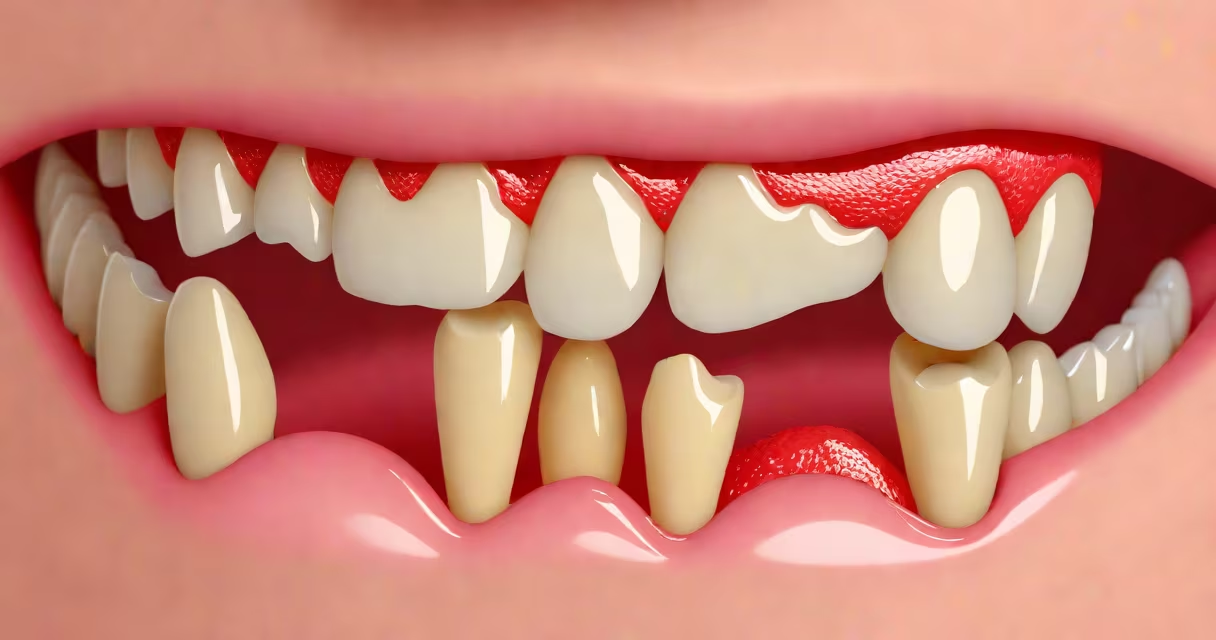
A canker sore behind the tooth is a small, painful ulcer that forms on the soft tissues inside the mouth, typically on the inner cheek, gum near the back teeth, or under the tongue. It appears as a round or oval lesion with a white or yellow center and a red border. Unlike cold sores, it is not caused by a virus and cannot spread to others.
Canker sores behind the tooth develop when the mucous membrane lining the mouth becomes irritated or damaged. The condition is common, affecting about 20% of people at some point in their lives, according to the American Academy of Oral Medicine. Most cases resolve within 7 to 10 days without treatment. They are distinct from other oral lesions such as gingivitis or oral cancer, which require different care.
These ulcers form due to microtrauma-such as biting the cheek during eating-or immune system responses triggered by stress, hormonal changes, or nutritional deficiencies. A 2021 study in the journal Oral Diseases found that low levels of vitamin B12, iron, and folic acid correlate with increased frequency of recurrent aphthous ulcers, including those behind molars.
Canker sores behind the tooth begin as tiny red spots that quickly turn into open sores. The surface is usually covered in a grayish-yellow fibrin layer, surrounded by inflamed tissue. Pain intensifies when eating acidic, spicy, or crunchy foods. The sore may last 7 to 14 days, depending on size and individual healing speed.
Unlike cold sores-which appear on the lips and are caused by herpes simplex virus-canker sores are not infectious. They do not appear on the outer skin and cannot be passed through kissing or sharing utensils. This distinction is critical: confusing the two leads to unnecessary anxiety and mismanagement.
One non-obvious fact: some people report that canker sores behind the tooth flare up during menstrual cycles. Hormonal fluctuations, particularly rising estrogen and falling progesterone, may trigger immune activity in the oral mucosa. A 2019 cohort study published in Journal of Clinical Periodontology showed a 37% increase in ulcer recurrence among women during the luteal phase of their cycle.
While the exact cause remains unclear, several triggers are well-documented. Physical injury from sharp food fragments, dental work, or aggressive brushing can damage the mucosal barrier and initiate ulcer formation. For example, biting down on a hard pretzel or accidentally hitting the cheek with a spoon can lead to a sore behind the back tooth.
Nutritional deficiencies are a major contributor. Deficiencies in vitamin B12 (below 300 pg/mL), iron (serum ferritin < 30 ng/mL), and folate are linked to higher rates of aphthous ulcers. A 2020 review in European Journal of Clinical Nutrition reported that correcting these deficiencies reduced ulcer frequency by 60% in affected individuals.
Stress and sleep disruption also play roles. Chronic stress alters cortisol levels, which may suppress local immune regulation in the mouth. One patient I treated had recurring ulcers behind molars only during exam weeks. After adjusting sleep patterns and reducing caffeine intake, episodes dropped from monthly to once every six months.
Canker sores fall into three categories based on size and severity:
| Type | Size | Healing Time | Frequency |
|---|---|---|---|
| Mild (minor) | 1-10 mm | 7-10 days | Most common |
| Major | 10 mm+ | 10-30 days | Rare, more severe |
| Herpetiform | 1-3 mm, multiple | 7-14 days | Small clusters, often mistaken for viral outbreaks |
The most common type behind the tooth is minor aphthous ulceration. Herpetiform sores, though rare, can mimic viral infections due to multiple small ulcers forming in clusters. However, they lack the fluid-filled blisters seen in herpes labialis.
Canker sores behind the tooth are often mistaken for oral thrush (a fungal infection), which presents as white patches that can be wiped off. They're also confused with gingivitis, which causes red, swollen gums but no open ulcers. A sore that persists beyond 14 days, bleeds easily, or shows signs of swelling or numbness requires evaluation by a dentist or oral specialist.
Most canker sores behind the tooth heal on their own. Over-the-counter treatments like benzocaine gels or hydrogen peroxide rinses reduce discomfort. A 2022 clinical trial in Journal of Oral Pathology & Medicine found that a 0.1% lidocaine gel applied twice daily reduced pain scores by 58% within 48 hours.
For recurrent cases, a prescription-strength mouth rinse containing corticosteroids (like triamcinolone acetonide) can shorten healing time. Topical steroids reduce inflammation and prevent secondary infection. One patient with monthly ulcers behind molars saw complete resolution after using a 0.1% triamcinolone rinse twice daily for five days per episode.
Diet adjustments help prevent recurrence. Avoiding citrus fruits, spicy curries, and carbonated drinks reduces irritation. Using a soft-bristled toothbrush and rinsing with salt water (1/2 tsp in 8 oz warm water) can soothe the area. A 2017 study in Supportive Care in Cancer showed that patients who rinsed with saline had a 40% lower recurrence rate compared to controls.
Understanding the difference between a canker sore behind the tooth and other oral conditions prevents unnecessary worry. While uncomfortable, it is rarely a sign of serious illness. With proper care, most resolve quickly and without complications.
Recognizing the signs-painful, white-centered ulcers on soft tissue near the back teeth-and knowing when to seek help ensures faster recovery and better long-term oral health. If you're unsure whether a lesion is a canker sore behind the tooth or something else, don't wait. Get it checked.