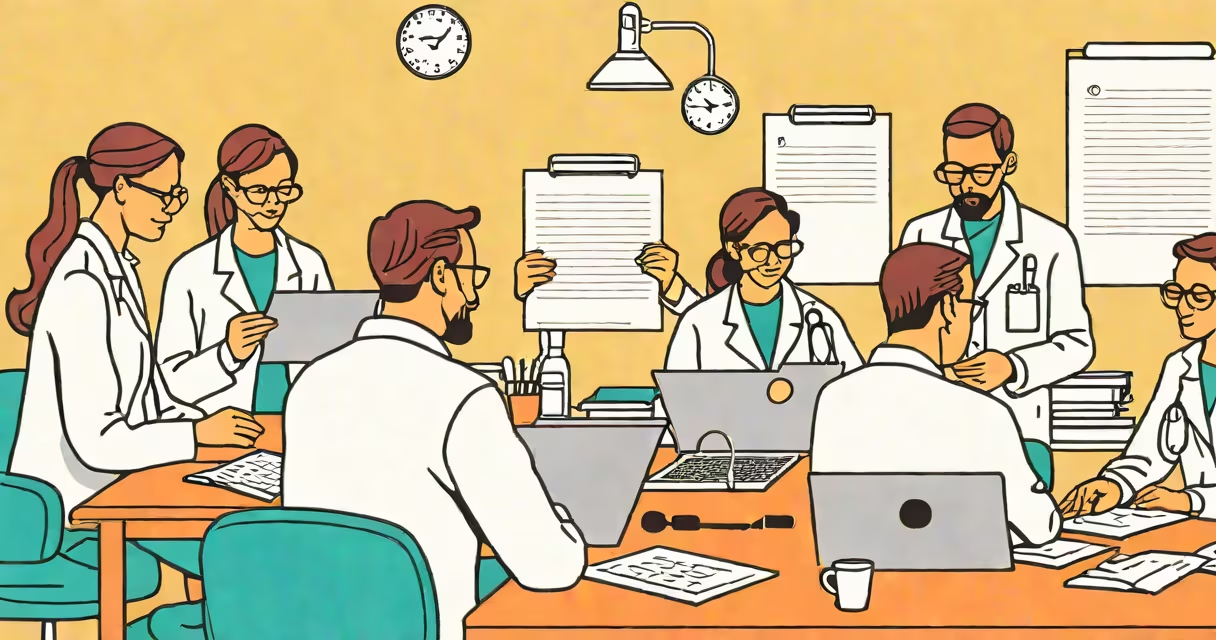
A clinical trial definition refers to a research study conducted with human participants to evaluate the safety, effectiveness, and optimal use of medical interventions such as drugs, devices, or procedures. These studies follow strict protocols approved by regulatory bodies and are designed to answer specific scientific questions.
Clinical trials are the final stage in the development of new medical treatments. They move beyond laboratory and animal testing to assess how a treatment performs in people. The process helps potential benefits outweigh risks before widespread use.
The U.S. National Library of Medicine defines clinical trials as "research studies performed to evaluate medical, surgical, or behavioral interventions." These studies are governed by ethical standards and require informed consent from all participants.
Each clinical trial follows a predefined protocol. This document outlines the study's purpose, design, participant eligibility, dosing schedules, monitoring procedures, and statistical analysis plan. All steps are reviewed and approved by institutional review boards (IRBs) and regulatory agencies like the FDA.
Participants are assigned to groups-typically an experimental group receiving the new treatment and a control group receiving a placebo, standard care, or another intervention. Outcomes are measured objectively using predefined endpoints such as symptom improvement, survival rates, or biomarker changes.
For example, a Phase III trial testing a new diabetes medication might compare blood sugar reduction in 1,200 patients over 12 months. Half receive the drug; half receive a sugar pill. Researchers track HbA1c levels monthly and report results to the FDA.
Trials are categorized by phase, each serving a distinct purpose in evaluating safety and efficacy:
| Phase | Participants | Primary Goal | Duration |
|---|---|---|---|
| Phase I | 20-100 | Test safety and dosage | 6-12 months |
| Phase II | 100-300 | Evaluate effectiveness and side effects | 1-2 years |
| Phase III | 1,000-3,000 | Confirm effectiveness, monitor side effects | 2-4 years |
| Phase IV | Post-approval population | Track long-term safety and real-world use | Years |
Phase I trials focus on identifying safe dose ranges and common side effects. They often involve healthy volunteers or patients with advanced disease who have exhausted other options. Phase II trials assess whether the treatment shows promise in shrinking tumors or improving symptoms.
Phase III trials are large-scale comparisons. They typically last several years and require multi-center coordination. A successful Phase III result can lead to FDA approval. For instance, the 2021 approval of the Alzheimer's drug lecanemab was based on a Phase III trial showing slowed cognitive decline in 1,795 patients over 18 months.
Clinical trials occur in hospitals, academic medical centers, private clinics, and specialized research sites. The National Institutes of Health (NIH) funds thousands of trials annually through its ClinicalTrials.gov registry, which lists over 400,000 active and completed studies.
They are essential for advancing medicine. Without them, treatments remain untested in humans. For example, the development of mRNA vaccines for COVID-19 relied on Phase III trials involving over 40,000 participants across multiple countries. These trials confirmed 95% efficacy and identified rare side effects like myocarditis in young males.
Some trials are industry-sponsored; others are government-funded. Academic institutions often lead investigator-initiated trials. All must comply with Good Clinical Practice (GCP) guidelines set by the International Council for Harmonisation (ICH).
People often confuse clinical trials with routine medical care. A clinical trial is not a standard treatment option-it is research. Participants may receive a placebo or an existing therapy, not necessarily the newest option.
Another misconception is that trials are only for patients with no other choices. While some Phase I trials enroll individuals with late-stage disease, many trials recruit early-stage patients to test preventive or early-intervention strategies. For example, the Women's Health Initiative studied hormone therapy in healthy postmenopausal women and led to major changes in treatment guidelines.
There is also confusion about randomization. In most trials, participants are randomly assigned to groups to prevent bias. This does not mean they are chosen arbitrarily-it ensures fair comparison between treatments. Randomization is a core principle of evidence-based medicine.
One non-obvious fact: Not all clinical trials result in publication. A 2017 study in The BMJ found that nearly 40% of completed trials were never published in peer-reviewed journals. This creates gaps in medical knowledge and undermines transparency. The WHO requires registration of all trials on ClinicalTrials.gov to reduce this issue.
I once worked with a team developing a Phase II trial for a rare pediatric cancer. We recruited 65 children across six children's hospitals. The protocol required weekly scans and blood draws. One parent asked, "Will my child get the new drug?" The answer was no-only half the group received it. That uncertainty was part of the design. The trial eventually showed a 30% response rate, leading to expanded access programs.
This experience clarified that clinical trials aren't about individual outcomes-they're about collective progress. Each participant contributes data that may help future patients.
"Clinical trial" is not synonymous with "medical experiment." Experiments lack formal oversight and ethical review. Clinical trials are regulated, documented, and subject to continuous monitoring.
Also, clinical trials differ from observational studies. In observational research, scientists watch behavior without intervening. In clinical trials, researchers actively assign treatments. Observational studies cannot prove causation; trials can.
Finally, clinical trial definition does not imply immediate results. Many trials fail due to safety concerns or lack of efficacy. The FDA rejected 90% of investigational drugs in Phase III trials between 2010 and 2020, according to data from the Tufts Center for the Study of Drug Development.
A clinical trial definition captures the structured, ethically governed process of testing medical interventions in humans. These studies form the core of modern medicine, enabling the approval of life-saving therapies. From initial safety checks to long-term monitoring, each phase builds evidence. Understanding this definition helps patients, families, and healthcare providers make informed decisions about participation and treatment.