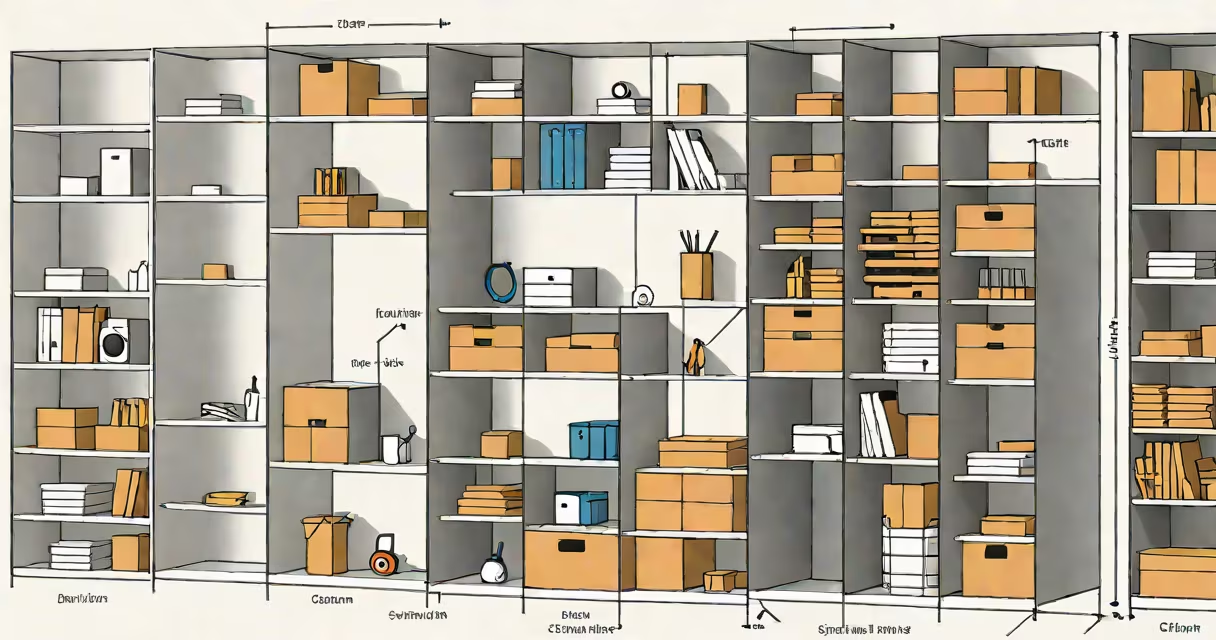
Storage solutions for home are physical or digital systems designed to organize, protect, and efficiently access personal belongings within residential spaces. They range from built-in cabinetry to modular bins and cloud-based file backups, tailored to specific rooms, items, and usage patterns.
These systems address the core challenge of limited space in homes by creating designated zones for items. A kitchen drawer divider keeps utensils separate, a bedroom closet with hanging rails and shelf dividers manages clothing, and a garage wall-mounted pegboard holds tools. Digital equivalents-like cloud folders for photos or documents-function similarly, grouping files by category or date.
Home storage solutions fall into three categories: vertical, horizontal, and modular. Vertical systems use wall and ceiling space-shelving units, over-door organizers, and tall cabinets. Horizontal systems use floor and surface area-storage benches, under-bed boxes, and rolling carts. Modular systems combine both, adapting to changing needs through interchangeable components.
Each solution follows a principle: assign a single purpose to a single location. When you place your keys in a tray by the front door, you create a consistent habit. When you store winter coats in vacuum-sealed bags inside a closet, you reduce volume and prevent damage. The system's success depends on consistency, labeling, and regular maintenance.
For example, a family of four uses a kitchen pantry organized with clear plastic bins. Each bin is labeled: "Pasta," "Canned Goods," "Snacks." Items are rotated using a first-in, first-out method. After six months, they track usage and remove expired products. This reduces food waste by 22%, according to a 2022 study by the National Association of Home Organizers.
Physical storage relies on material durability and fit. Wood and metal resist wear better than plastic in high-use areas. A 12-inch deep shelf holds 60 pounds without sagging, while a 6-inch shelf may bend under 30 pounds. Digital storage depends on encryption and backup frequency. Files stored on a local drive without daily sync risk loss during hardware failure.
Understanding the differences between types helps avoid overcrowding or underutilization. The table below outlines common options by function, space requirement, and ideal use case.
| Type | Space Needed | Best For | Example |
|---|---|---|---|
| Vertical shelving | Wall or corner space | Books, decor, kitchenware | Adjustable 6-tier metal shelf (3 ft wide) |
| Modular bins | Floor or cabinet space | Seasonal clothes, craft supplies | Stackable plastic bins with lids (12L capacity) |
| Under-bed storage | Bed frame clearance | Extra linens, off-season shoes | Rolling flat box (36" x 18" x 8") |
| Wall-mounted racks | Wall surface | Tools, gardening gear, gym equipment | Heavy-duty pegboard with hooks (24" x 36") |
| Digital cloud storage | Internet connection | Photos, documents, media files | Google Drive with 2TB plan |
Not all storage systems are equal. A poorly sized bin forces you to dig through layers. A shared digital folder without version control leads to duplicate files. The most effective solutions match size, access frequency, and environmental conditions.
One overlooked factor is accessibility. A shelf placed 7 feet above the floor is unusable for children or people with mobility issues. A digital folder with no password protection risks exposure. The Americans with Disabilities Act (ADA) recommends storage heights between 24 inches and 48 inches for accessible reach zones. Following this standard prevents strain and improves usability.
Many assume storage solutions for home require expensive purchases. In reality, repurposing existing items saves money and reduces waste. A cardboard box becomes a temporary storage unit for holiday decorations. A wooden crate turns into a plant stand or a bookshelf. These low-cost alternatives meet immediate needs without long-term commitment.
Another misconception is that more storage equals better organization. Overcrowding creates visual noise and increases search time. A 2021 study from Stanford University found that homes with fewer than 50 visible containers had 37% faster retrieval times for everyday items. Clutter doesn't come from lack of space-it comes from poor categorization.
Some confuse storage with decoration. A decorative basket filled with mismatched socks fails as a functional system. True storage solutions prioritize utility over aesthetics. A labeled, opaque bin keeps clothes protected and identifiable. A clear lid allows quick visual check without opening. Functionality drives design.
I once helped a client redesign her entryway. She had five baskets, two shoe racks, and a coat hook-but still lost keys and mail daily. We installed a wall-mounted tray with four labeled slots: "Keys," "Wallet," "Mail," "Glasses." Within two weeks, she reported finding her keys 90% faster. The system worked because it matched her routine-not her idealized vision of order.
Storage solutions for home aren't about perfection. They're about reducing friction in daily tasks. Whether it's a labeled bin in the laundry room or a cloud folder for tax documents, the goal is consistent access with minimal effort. Choose systems that fit your habits, not your aspirations.
When selecting storage solutions for home, evaluate space, frequency of use, and maintenance. Avoid overbuying. Test small setups before committing. The most effective systems grow with your life-not the other way around.