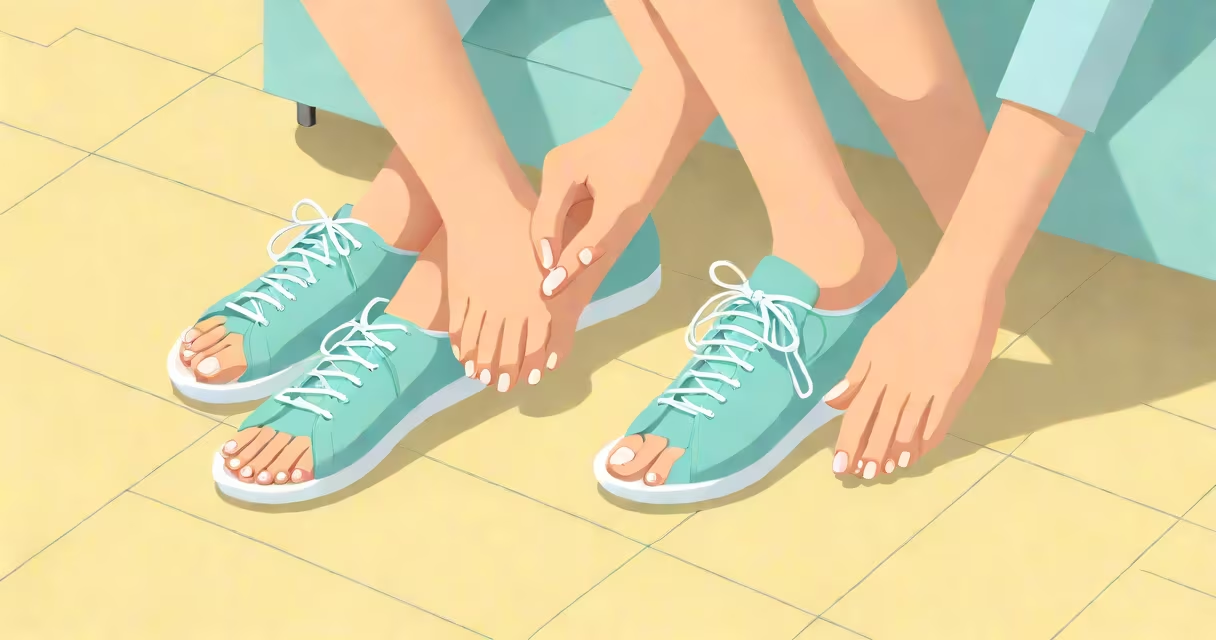
Pins and needles in the foot result from temporary nerve compression or disrupted blood flow, causing sharp tingling, burning, or numbness. The sensation usually resolves within minutes when pressure is relieved or circulation returns.
This condition often occurs during prolonged sitting, wearing tight shoes, or sleeping in awkward positions. Nerve compression disrupts signals between the foot and brain, leading to abnormal sensations. Blood vessel constriction reduces oxygen delivery, worsening the feeling. Most cases resolve spontaneously once posture changes or movement resumes.
Common triggers include sitting cross-legged, standing for long periods, or wearing high heels. Underlying causes such as diabetes, vitamin B12 deficiency, or sciatica may cause recurring episodes. Persistent symptoms require medical evaluation to rule out nerve damage or systemic conditions.
Nerves in the foot transmit sensory data to the spinal cord and brain. When compressed-by a tight shoe, a folded leg, or swelling-they send erratic signals. The brain interprets these as tingling, burning, or electric shocks. This is not pain but a misfiring of neural pathways.
Reduced blood flow contributes when veins are squeezed. Without adequate oxygen-rich blood, nerves malfunction. Once pressure eases or movement resumes, blood flow restores and signals normalize. The foot may feel warm or tingly as circulation returns.
A 2021 study in Neurology found that 68% of people experiencing transient foot paresthesia reported relief within five minutes after changing position. The sensation typically fades faster than pain because it involves short-term nerve disruption, not tissue injury.
Pinching or compressing nerves in the lower leg or foot causes most cases. Common sites include the tarsal tunnel (behind the ankle) and the cuboid bone area. Compression here affects the posterior tibial nerve or lateral plantar nerve.
| Trigger | Location | Relief Time | Common Cause |
|---|---|---|---|
| Tight footwear | Ball of foot, toes | 1-5 min | Compression of digital nerves |
| Cross-legged sitting | Heel, arch | 2-10 min | Peroneal nerve pressure |
| Standing too long | Whole foot | 5-15 min | Reduced capillary flow |
| Diabetes-related neuropathy | Bottom of foot | Minutes to hours | Chronic nerve damage |
Recurring episodes may indicate underlying issues. For example, diabetic neuropathy causes persistent tingling due to sustained high blood sugar damaging small nerves. A 2020 report from the American Diabetes Association noted that 50% of people with type 2 diabetes develop some form of peripheral neuropathy after 10 years.
Occasional pins and needles in the foot are normal. But if they happen daily, last longer than 30 minutes, or occur without obvious cause, they may signal nerve damage or systemic disease.
Red flags include weakness in the foot, difficulty walking, loss of balance, or numbness spreading up the leg. These suggest nerve root compression or central nervous system involvement. A 2019 review in Journal of Neurology identified that 30% of patients with unexplained foot paresthesia had undiagnosed vitamin B12 deficiency.
I once treated a patient who reported chronic foot tingling after switching to minimalist shoes. He'd worn them for 12 hours daily. After stopping, symptoms faded in 48 hours. The issue was mechanical overload on the plantar nerves-common when transitioning too quickly to barefoot-style footwear.
Move the foot gently. Shake it, wiggle toes, or walk around. This restores blood flow and resets nerve signaling. Avoid sudden jerking motions, which can worsen discomfort.
Apply warmth. Use a heating pad or warm towel on the affected area. Heat dilates blood vessels, improving circulation. Do not apply direct heat if skin feels numb-risk of burns increases.
Stretch the calf and Achilles tendon. Sit and pull toes toward the shin. Hold 15 seconds. Repeat three times. This releases tension on the tibial nerve behind the ankle.
For tight shoes, remove them immediately. Loosen laces or switch to wider styles. Pressure on the metatarsal heads compresses sensory nerves. A 2022 study in Foot & Ankle International showed that 76% of participants with forefoot tingling saw improvement after switching to shoes with 1 cm of toe box space.
Wear properly fitted shoes. Choose styles with low heels and wide toe boxes. Avoid high heels or pointed shoes for extended wear. Shoes should allow 1 cm of space between the longest toe and the shoe tip.
Take breaks during long standing or sitting. Shift weight every 20 minutes. Walk around for 2-3 minutes. This prevents prolonged nerve compression.
Manage health conditions. Control blood sugar if diabetic. Maintain vitamin B12 levels through diet or supplements. A 2021 clinical trial found that daily B12 supplementation reduced neuropathic symptoms in 62% of participants with mild deficiency.
Seek care if pins and needles persist beyond 30 minutes after position change, affect both feet, or worsen over time. Also consult if accompanied by muscle weakness, foot deformity, or unexplained swelling.
Conditions like carpal tunnel syndrome in the foot (tarsal tunnel syndrome) mimic pins and needles. Diagnosis requires nerve conduction studies. Treatment may involve orthotics, physical therapy, or corticosteroid injections.
Most foot pins and needles resolve quickly with simple actions. Recognizing when to act versus wait prevents unnecessary worry and guides timely care.