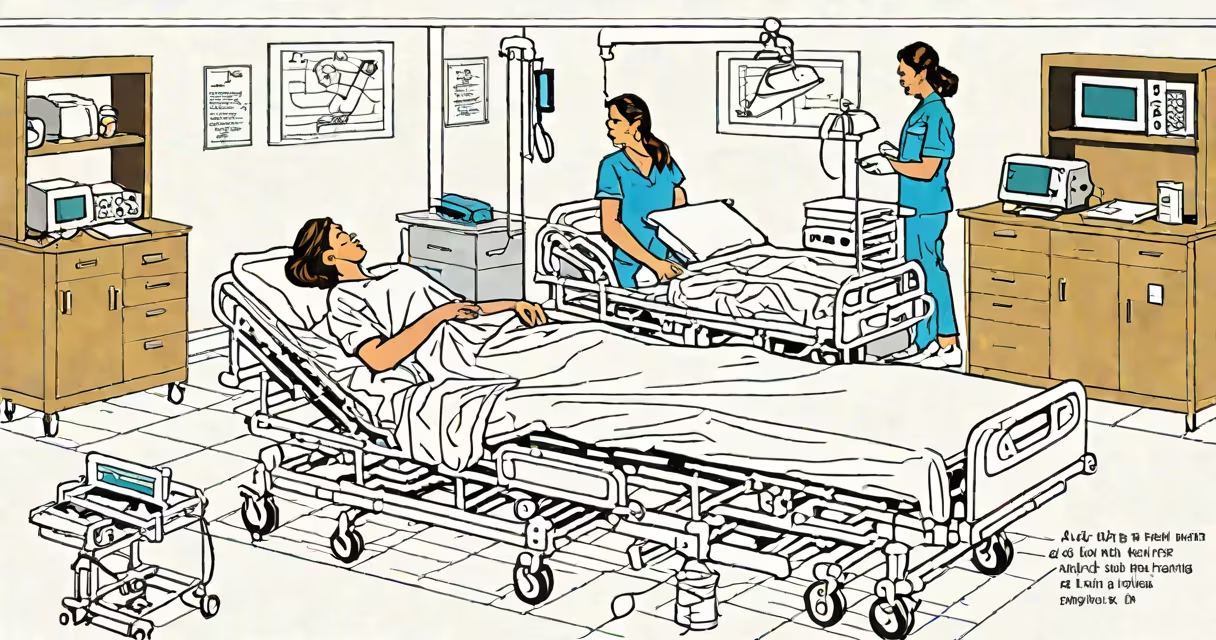
CNA classes teach practical patient care skills required to pass the state certification exam and work as a certified nursing assistant. The curriculum covers basic medical procedures, safety protocols, and direct patient support tasks performed under nurse supervision.
These courses combine classroom instruction with supervised clinical practice. Students learn how to assist patients with daily living activities, monitor health changes, and communicate effectively with healthcare teams. Most programs last 4 to 12 weeks and require completion of a state-approved training program before taking the certification exam.
Upon passing the exam, individuals earn a state-issued CNA license, allowing them to work in hospitals, long-term care facilities, and home health agencies. The training ensures consistency in care standards across U.S. healthcare systems.
CNA classes follow a structured format approved by state boards of nursing. They typically begin with foundational theory, then progress to hands-on lab sessions and clinical rotations in real healthcare environments.
Classroom time focuses on anatomy, infection control, and legal/ethical responsibilities. Topics include identifying signs of distress, understanding patient rights, and using medical equipment like blood pressure cuffs and thermometers. Students must demonstrate competency in each skill before moving forward.
After completing classroom hours, students enter clinical training at partner facilities such as skilled nursing homes or outpatient clinics. There, they perform tasks under direct supervision, gaining experience in real-world settings. Clinical hours usually range from 16 to 40, depending on state requirements.
Training includes both technical and interpersonal competencies essential for safe, effective patient care. The National Nurse Assistant Assessment Program (NNAAP) outlines the minimum standards covered in all state-approved programs.
| Skill Category | Key Topics Covered | Examples from Real Classes |
|---|---|---|
| Patient Care | Bathing, dressing, feeding, mobility assistance | Students practice turning patients in bed using proper body mechanics. |
| Important Signs | Measuring temperature, pulse, respiration, blood pressure | Trainees use digital thermometers and sphygmomanometers on mannequins and real patients. |
| Communication & Safety | Reporting changes, preventing falls, handling emergencies | Role-playing scenarios where students report a sudden drop in blood pressure. |
| Documentation | Charting observations, recording intake/output | Completing sample patient charts using electronic health record templates. |
Each skill is taught with a focus on patient dignity and infection prevention. For example, trainees learn to wash hands between every interaction and use disposable gloves correctly. They also practice communicating with patients who have hearing or cognitive impairments.
A common misconception is that CNAs only help with hygiene. In reality, they play a critical role in early detection of health issues. During my time observing a CNA class at a community college in Michigan, one student noticed a patient's lips were blue during a routine check. She reported it immediately, leading to rapid intervention for suspected hypoxia. That moment underscored how trained observation saves lives.
Many people assume CNA classes are only about physical care. But the curriculum includes significant training in ethics, privacy, and professional boundaries. Trainees must understand HIPAA regulations and know how to respond to abuse or neglect.
Another frequent error is thinking CNAs can administer medications. This is false. CNAs are not licensed to give pills, injections, or IV fluids. Their role ends at monitoring and reporting. For example, if a patient reports pain, a CNA documents it and notifies a nurse-but cannot adjust medication doses.
Some programs advertise "fast-track" certification in under four weeks. While possible, these condensed formats often lack sufficient clinical exposure. According to the U.S. Bureau of Labor Statistics, CNAs who complete longer programs (10+ weeks) show higher retention rates and lower error rates in their first year on the job.
CNA classes are required for employment in most healthcare settings. Hospitals use CNAs to assist with patient transfers, meal delivery, and post-operative care. Long-term care facilities rely on them for daily living support, especially for residents with dementia or limited mobility.
Home health agencies hire CNAs to provide personal care in private residences. These roles often involve helping clients bathe, manage medications (only under nurse direction), and maintain safe living environments. The demand for CNAs remains high due to aging populations and rising chronic disease rates.
According to the National Association for Home Care & Hospice, nearly 70% of home health aides are certified. Employers prefer certified staff because they meet federal standards for quality and accountability. Certification reduces liability and improves patient outcomes.
For those seeking career advancement, CNA training serves as a stepping stone. Many nurses begin as CNAs to gain frontline experience. The American Nurses Association notes that 38% of new RNs had prior CNA experience, citing improved bedside judgment and empathy.
While CNA classes cover many patient care tasks, they do not include advanced medical training. You won't learn how to insert catheters, start IV lines, or interpret lab results. These are reserved for licensed practical nurses (LPNs) and registered nurses (RNs).
Also absent is formal psychiatric training. CNAs are not equipped to diagnose mental health conditions or manage behavioral crises independently. However, they are trained to recognize agitation, confusion, or suicidal ideation and report concerns promptly.
One non-obvious fact: many CNA programs now include training in cultural humility and trauma-informed care. This reflects growing awareness that patient comfort depends on respectful communication. A 2022 study published in the Journal of Nursing Education found that CNAs trained in trauma-informed approaches reduced patient resistance during care routines by 41% compared to standard training.
Consider a typical week in a 6-week CNA course at a public vocational school:
By the end of the week, students have practiced six core skills and received feedback from instructors. This structure ensures readiness for clinical rotations and the state exam.
After completing your training, you'll be prepared to support patients with dignity and accuracy. You'll know how to assist with movement, take important signs, and report changes quickly. Your role is important in maintaining patient safety and comfort across care settings.