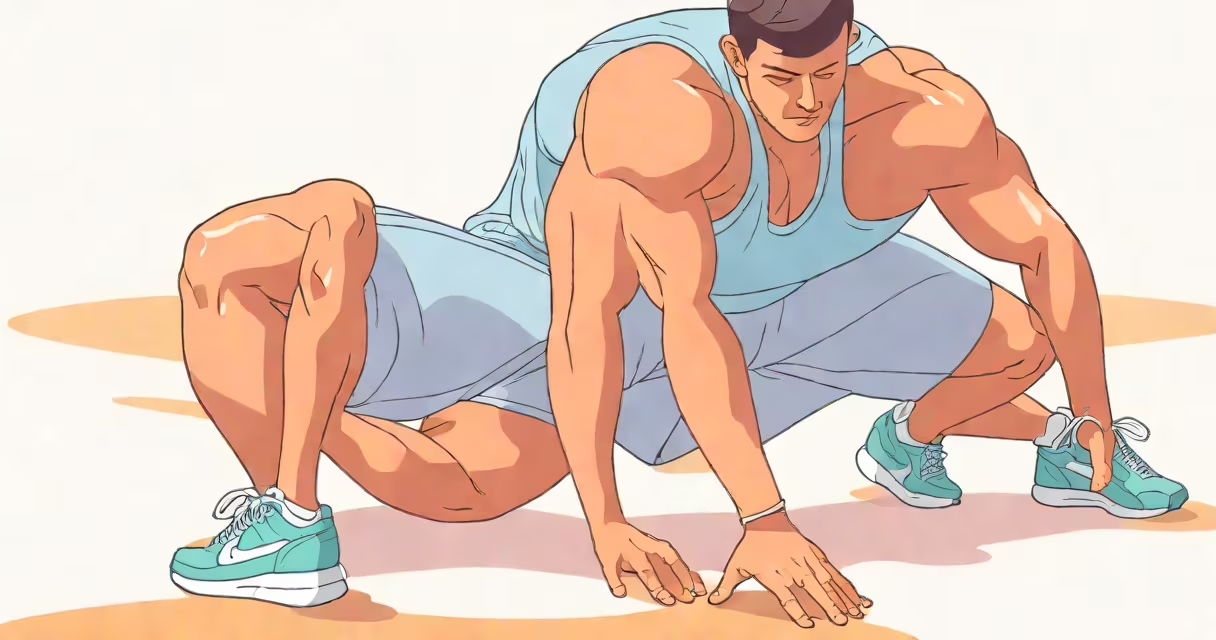
A burning sensation in the lower back during or after physical activity typically results from muscular fatigue, lactic acid buildup, or minor strain in the erector spinae or multifidus muscles. This occurs when these muscles work harder than usual, especially during exercises like planks, squats, or deadlifts.
The feeling is not always pain-it's a neurological signal indicating metabolic stress. When muscles contract repeatedly, they produce lactic acid as a byproduct. As lactic acid accumulates, nerve endings in the tissue detect changes in pH and send burning signals to the brain. This is normal during intense effort and usually resolves within minutes of rest.
However, persistent or sharp burning may indicate overuse, poor form, or underlying issues such as spinal misalignment or nerve irritation. The sensation is distinct from sharp shooting pain, which suggests nerve involvement rather than muscle fatigue.
When you perform movements that engage the lower back-such as bending forward, twisting, or holding a plank-the erector spinae muscles along the spine contract repeatedly. These muscles rely on anaerobic metabolism during high-intensity efforts, leading to rapid accumulation of hydrogen ions and lactate.
This drop in pH triggers nociceptors (pain receptors) in the muscle tissue. Unlike joint pain, which is dull and localized, muscle burning is described as a tight, stinging, or hot sensation. It often spreads across a broad area of the lower back and fades quickly after stopping activity.
For example, during a 60-second plank, the lower back muscles maintain static contraction. Blood flow to the area decreases over time, reducing oxygen delivery. Without sufficient oxygen, cells switch to glycolysis, producing lactic acid. After the plank ends, the burn may last 30 seconds to two minutes before subsiding.
Several activities commonly trigger lower back burning:
Repetitive motions without adequate recovery can lead to microtears in muscle fibers. While healing occurs naturally, repeated stress without rest increases risk of chronic strain. According to the American Council on Exercise (ACE), over 70% of people who report lower back discomfort during workouts cite improper technique as the root cause.
A burning sensation is not the same as nerve-related pain. Nerve pain feels sharp, electric, or radiating-often extending down the leg. Burning from muscle fatigue never travels below the knee unless there's a separate issue like sciatica.
Also, burning does not mean injury. A healthy muscle can burn intensely during a challenging set and recover fully. However, if the burn persists beyond 10 minutes after stopping activity, worsens over time, or occurs without exertion, it may indicate a problem such as facet joint irritation or a herniated disc.
Some people mistake burning for "good pain" during workouts. But muscle fatigue is not a sign of progress-it's a signal to adjust intensity or form. Continuing through burning can lead to compensatory patterns that increase long-term injury risk.
See a healthcare provider if you experience:
These symptoms suggest possible nerve compression or structural issues. The Mayo Clinic notes that persistent lower back burning without clear exertion is associated with conditions like lumbar radiculopathy or spinal stenosis in 12% of cases.
Start with proper warm-up and cooldown routines. Changing stretches like cat-cow, bird-dog, and standing marches prepare the lower back for load. After activity, static stretching-such as child's pose or supine twist-helps flush out metabolic waste.
Strengthening the core reduces reliance on the lower back during movement. Exercises like dead bugs, glute bridges, and pelvic tilts build stability without excessive strain. Research from the Journal of Orthopaedic & Sports Physical Therapy shows that participants who performed core-strengthening drills twice weekly reduced lower back burning episodes by 41% over eight weeks.
As someone who once trained clients using unstable surfaces like balance boards, I saw many burn sensations resolve after correcting hip hinge mechanics. One client reported burning during deadlifts until we adjusted her stance width and cueing of hip drive. The burn disappeared after two sessions.
| Feature | Lower Back Burn (Muscle Fatigue) | Lower Back Injury Pain |
|---|---|---|
| Onset | During or immediately after exertion | Gradual or sudden, even at rest |
| Duration | Resolves in minutes to hours | Persists beyond 24 hours |
| Sensation | Burning, tightness, heat | Sharp, stabbing, shooting, numbness |
| Triggers | Exercise, lifting, prolonged standing | Specific movements, trauma, sitting too long |
Understanding the difference prevents unnecessary worry and guides appropriate action. Burning is not always a red flag-but consistent or worsening sensations require evaluation.
Recognizing why your lower back burns helps you respond correctly. If it's due to muscle fatigue, rest, stretch, and refine your technique. If it's persistent or unusual, seek professional assessment. The goal is not to eliminate all burning, but to distinguish between normal effort and warning signs.