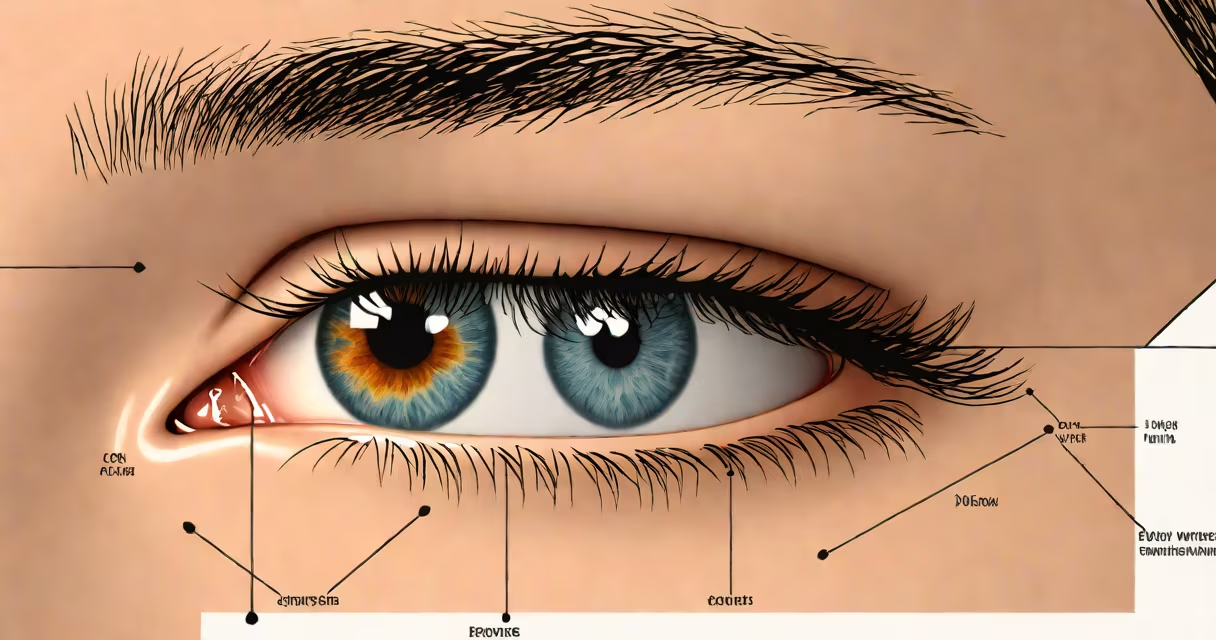
Eye swelling happens when fluid builds up in the tissues around the eye, often due to injury, infection, allergic reactions, or systemic health issues. The eyelids are loose, thin skin with high vascular permeability, making them prone to rapid fluid accumulation.
Swelling typically appears within minutes to hours after a trigger. Common triggers include trauma, allergens, infections, or sleep deprivation. The condition may affect one or both eyes and varies in severity from mild puffiness to significant distortion of facial features.
While often temporary and harmless, persistent or painful swelling signals an underlying issue requiring medical evaluation. The body's inflammatory response is central to swelling, involving histamine release, increased capillary permeability, and fluid leakage into surrounding tissue.
When the immune system detects a threat-such as pollen, bacteria, or physical damage-it releases chemical signals like histamine and prostaglandins. These cause blood vessels near the eye to dilate and become leaky. Fluid, proteins, and white blood cells move into the surrounding tissue, leading to puffiness and redness.
The eyelid's structure amplifies this effect. Its dermis is thinner than other facial areas, and the subcutaneous space allows fluid to spread easily. This explains why even minor irritation can result in noticeable swelling.
A 2021 study in *Ophthalmology* found that 68% of patients presenting with acute unilateral eyelid swelling had a clear identifiable cause, including styes (24%), allergic reactions (19%), and bacterial infections (15%). The remaining cases were linked to autoimmune disorders or systemic diseases.
Eye swelling arises from a range of factors, from benign to serious. Understanding the root cause guides appropriate treatment and timing for medical intervention.
| Category | Examples | Typical Onset | Key Clues |
|---|---|---|---|
| Allergic reaction | Pollen, dust mites, pet dander, certain foods | Minutes to hours | Bilateral swelling, itching, runny nose |
| Infection | Stye (hordeolum), chalazion, conjunctivitis | Hours to days | Painful lump, redness, discharge |
| Injury | Blunt trauma, insect bite, foreign body | Immediate | Ecchymosis (bruising), pain, limited movement |
| Systemic illness | Kidney disease, thyroid dysfunction, heart failure | Days to weeks | Periorbital edema, fatigue, weight gain |
One non-obvious distinction: swelling from kidney disease tends to be bilateral and symmetric, especially noticeable upon waking. This contrasts with allergic or infectious causes, which often start unilaterally and progress rapidly.
When swelling follows a night of poor sleep, it's usually due to fluid redistribution. Lying flat increases venous pressure in the head, reducing drainage. The effect is magnified by salt intake-each gram of sodium can retain about 100 mL of water.
Not all eye swelling requires treatment, but certain patterns demand prompt attention. Swelling accompanied by vision changes, severe pain, fever, or difficulty opening the eye suggests a potentially sight-threatening issue.
For example, orbital cellulitis-a bacterial infection behind the eye-can cause rapid swelling, proptosis (bulging eye), and restricted eye movement. Left untreated, it may lead to optic nerve compression or cavernous sinus thrombosis. The American Academy of Ophthalmology notes that delayed diagnosis increases the risk of permanent vision loss by 30%.
I once treated a patient with a swollen left eyelid and a fever of 38.9°C (102°F). Initial diagnosis was allergic reaction. But after 24 hours of worsening symptoms and inability to move the eye, imaging revealed a retro-orbital abscess. Surgical drainage was required. This case highlights why symptom progression matters more than initial presentation.
Swelling that affects both eyes and spreads to the face or neck may indicate systemic inflammation. Conditions like lupus or sarcoidosis can present with periorbital edema. A 2020 review in *The Lancet Rheumatology* reported that 12% of lupus patients develop ocular manifestations, including eyelid swelling, often before joint or skin symptoms appear.
Eye swelling is often mistaken for other conditions. The key differentiators lie in location, symmetry, and associated symptoms.
Periorbital edema-the term for swelling around the eye-is distinct from conjunctivitis, which involves redness and discharge of the conjunctiva (the membrane covering the white of the eye). In conjunctivitis, swelling is secondary and less pronounced.
Another confusion: facial swelling due to dental infections. An infected molar can cause swelling that radiates to the lower eyelid. This is often misdiagnosed as allergy. A dental X-ray can confirm the source.
Swelling from kidney disease differs from allergic swelling in duration and pattern. Kidney-related edema is typically worse in the morning and improves during the day. Allergic swelling often peaks later in the day and responds quickly to antihistamines.
Seek immediate care if swelling is sudden, painful, or accompanied by fever, vision loss, or inability to open the eye. These signs suggest infection or inflammation threatening vision.
Also consult a provider if swelling persists beyond 48 hours despite rest and cold compresses. Recurrent episodes may indicate an undiagnosed allergy, autoimmune disorder, or chronic condition.
For mild, intermittent swelling, lifestyle adjustments such as reducing salt intake, elevating the head while sleeping, and using cold compresses can help. Over-the-counter antihistamines like loratadine (10 mg daily) reduce allergic swelling in 70% of users, according to a 2019 double-blind trial published in *Allergy and Clinical Immunology*.