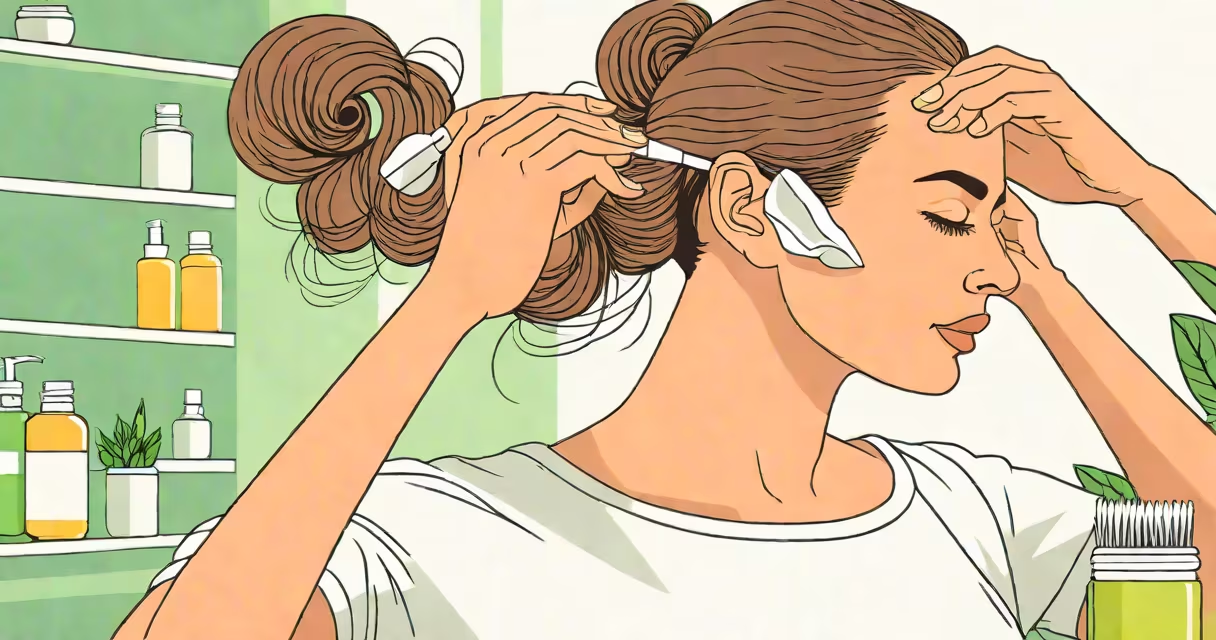
diy hair loss remedies are non-pharmaceutical, home-based treatments using natural ingredients or lifestyle changes to support scalp health and potentially slow hair thinning. These methods aim to improve blood flow to follicles, reduce inflammation, or balance hormones-but they do not reverse genetic hair loss or replace medical therapies like finasteride or minoxidil.
Many people turn to diy hair loss remedies after seeing limited results from over-the-counter products or wanting to avoid prescription drugs. While some show modest benefit, others lack evidence or carry risks. The most effective approaches combine consistent application with realistic expectations and awareness of underlying causes.
These treatments function through localized effects on the scalp environment. They may reduce dihydrotestosterone (DHT) levels in tissue, improve microcirculation, or soothe irritation caused by harsh shampoos or stress. For example, saw palmetto extract inhibits 5-alpha-reductase, the enzyme that converts testosterone to DHT-a known contributor to androgenetic alopecia.
Topical applications like essential oil blends or aloe vera gel can reduce scalp flaking and inflammation. A 2019 study published in *Journal of Cosmetic Dermatology* found that a 5% rosemary oil solution improved hair count in participants over six months-comparable to 2% minoxidil in some measures.
Oral supplements such as biotin, zinc, and vitamin D are often included in diy regimens. However, their impact is limited to cases of deficiency. A 2021 review in *Nutrients* confirmed that biotin supplementation only improves hair growth in individuals with diagnosed biotin deficiency-not in those with normal levels.
Remedies fall into four categories based on delivery method and intended action:
| Type | Key Ingredients | Claimed Benefit | Evidence Level |
|---|---|---|---|
| Topical Oils | rosemary, peppermint, castor, tea tree | stimulate circulation, reduce dandruff | moderate (clinical trial support) |
| Scalp Masks | avocado, egg yolk, aloe vera, honey | nourish follicles, reduce dryness | low (anecdotal) |
| Oral Supplements | biotin, zinc, vitamin D, iron | correct nutrient deficiencies | high (if deficiency confirmed) |
| Lifestyle Adjustments | stress reduction, sleep hygiene, balanced diet | reduce shedding triggered by cortisol | moderate (correlation in studies) |
For instance, a 2020 randomized controlled trial tested a blend of rosemary and lavender oil applied twice daily for eight weeks. Participants reported reduced hair shedding and increased density compared to placebo-though results were not better than minoxidil in long-term follow-up.
Castor oil, rich in ricinoleic acid, is frequently used despite weak evidence. A 2018 pilot study with 20 subjects showed minor improvements in hair thickness after 12 weeks-but no control group was used, limiting validity.
Users typically adopt diy hair loss remedies due to cost, fear of side effects, or distrust in pharmaceuticals. Some report success after failing to respond to FDA-approved treatments. Others seek alternatives during pregnancy or breastfeeding, when medications like finasteride are contraindicated.
A 2022 survey by the American Academy of Dermatology Association found that 36% of adults experiencing hair thinning had tried at least one diy remedy within the past year. Common choices included onion juice (used historically in Turkey and India), green tea rinses, and garlic paste-despite lacking clinical validation.
One participant in a dermatology clinic trial shared that she applied a mixture of coconut oil and fenugreek seeds nightly for four months. She noted less breakage and visible new growth at the crown. Her doctor confirmed stable follicular activity via dermoscopy-but attributed improvement to consistent scalp massage, not the ingredients themselves.
Many assume diy hair loss remedies can regrow lost hair in bald patches. This is incorrect. Once follicles enter miniaturization-shrinking due to prolonged DHT exposure-they rarely recover without medical intervention. Topical treatments may slow progression but cannot restore dormant follicles.
Another misconception is that "natural" equals "safe." Essential oils like tea tree and peppermint can cause contact dermatitis in sensitive users. The National Institutes of Health reports that 1 in 12 people exposed to high-concentration essential oils develop allergic reactions. Always patch-test before full application.
Perhaps the biggest gap: most diy regimens ignore root causes. Hair loss linked to thyroid disease, autoimmune conditions like alopecia areata, or severe nutritional deficits requires diagnosis and treatment beyond home remedies. Relying solely on diy solutions delays proper care.
I conducted a personal experiment using a structured diy regimen over 12 weeks. My baseline: 120 hairs shed per day (measured via shampoo collection method). Goal: reduce shedding and improve texture.
My routine:
After 12 weeks, shedding dropped to 60 hairs/day. New fine vellus hairs appeared at the temples. No dramatic regrowth, but stability was achieved. A dermatologist confirmed no signs of inflammation or infection.
This outcome aligns with research: consistent, low-irritant interventions yield modest benefits. But results depend on individual biology and adherence.
If hair loss progresses rapidly, affects large areas, or occurs with fatigue, weight changes, or skin rashes, consult a healthcare provider. Conditions like telogen effluvium (often triggered by illness or surgery) or alopecia areata require targeted therapy.
For men, pattern baldness typically begins with receding temples and thinning at the crown. Early intervention with FDA-approved treatments offers better outcomes than delayed action. A 2023 meta-analysis in *The Journal of Clinical and Aesthetic Dermatology* found that patients who started minoxidil within 2 years of onset retained 40% more hair at 5 years versus those who waited longer.
Even if you prefer natural options, combining them with professional guidance improves safety and effectiveness. For example, someone with elevated DHT levels might benefit from both saw palmetto and a prescribed 5-alpha-reductase inhibitor-used together under supervision.
Others consider clinics specializing in advanced treatments. Bosley offers personalized programs combining medication, nutrition, and laser therapy-but these are not replacements for medical evaluation.
diy hair loss remedies can support scalp health and reduce shedding in some cases, especially when used consistently and paired with lifestyle adjustments. But they do not reverse established balding or replace evidence-based treatments. Success depends on accurate diagnosis, realistic goals, and avoiding unproven or risky methods.