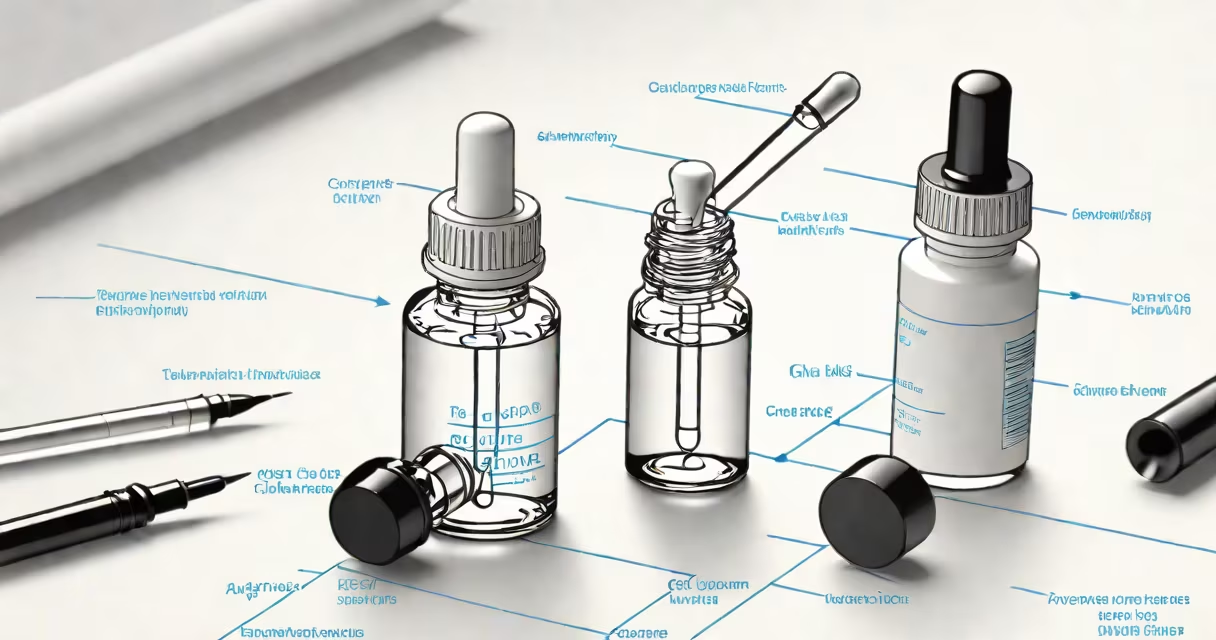
Eye drops that get rid of redness contain vasoconstrictors like tetrahydrozoline or naphazoline, which shrink dilated blood vessels in the conjunctiva to reduce visible redness. These drops offer temporary relief from irritated or tired eyes but do not treat underlying causes.
Redness in the eyes results from blood vessel dilation due to dryness, fatigue, allergens, or irritation. Vasoconstrictor eye drops counteract this by constricting those vessels, making the whites of the eyes appear clearer within minutes. The effect typically lasts 4 to 6 hours, depending on the formulation.
These drops are widely available over the counter under brands like Visine, Clear Eyes, and Murine. They come in single-use vials or multi-dose bottles with preservatives such as benzalkonium chloride. While effective for short-term visual improvement, prolonged use can cause rebound redness or dependency.
Vasoconstrictor eye drops reduce redness by targeting alpha-adrenergic receptors in the blood vessels of the conjunctiva. When activated, these receptors trigger smooth muscle contraction, narrowing the vessels and decreasing blood flow to the area. This reduces the appearance of redness almost immediately after application.
The mechanism is similar to how decongestant nasal sprays work in the nose. However, unlike nasal sprays, eye drops act locally and are absorbed through the ocular surface. Absorption into systemic circulation is minimal, but preservatives in multi-dose bottles may contribute to ocular surface irritation over time.
A 2021 study published in *Ophthalmology and Therapy* found that tetrahydrozoline-based drops reduced redness scores by 60% in subjects with mild to moderate eye redness after 15 minutes, with effects lasting up to 6 hours. The study noted that effectiveness diminished with daily use beyond three days.
Eye drops that get rid of redness fall into two categories: preservative-free and preserved. Preserved formulations contain benzalkonium chloride (BAK), which prevents bacterial growth but can damage the corneal epithelium with frequent use. Preservative-free versions are recommended for people using drops more than twice daily.
| Type | Active Ingredient | Duration | Best For |
|---|---|---|---|
| Multi-dose preserved | Tetrahydrozoline (0.05%) | 4-6 hours | Occasional redness, short-term use |
| Single-use vial | Naphazoline (0.1%) | 3-4 hours | Travel, on-the-go relief |
| Preservative-free | Tetrahydrozoline (0.01%) | 3-5 hours | Chronic users, contact lens wearers |
Some products combine vasoconstriction with lubrication. These are marketed as "redness relief plus hydration" drops. Examples include Systane Ultra Light and Refresh Optive Fusion. They provide dual benefits: immediate redness reduction and longer-lasting moisture, especially useful for dry eye sufferers.
Many users believe eye drops that get rid of redness can cure chronic redness or prevent eye strain. This is false. They mask symptoms, not root causes. Persistent redness may indicate dry eye syndrome, blepharitis, uveitis, or even glaucoma. Ignoring the underlying issue while relying on drops can delay diagnosis and treatment.
A key risk is rebound hyperemia-when redness returns worse after stopping use. The American Academy of Ophthalmology warns that continuous use of vasoconstrictor drops for more than 3 days increases this risk. A 2019 clinical review in *Cornea* reported rebound redness in 22% of patients who used drops daily for over a week.
Another misconception is that all redness relief drops are safe for contact lenses. Most preserved drops contain BAK, which can degrade contact lens material and cause discomfort. Always check the label. The FDA recommends using preservative-free drops when wearing contacts.
Use eye drops that get rid of redness for brief, situational relief-after screen exposure, during travel, or before events. Apply one drop per eye, wait 5 minutes between doses. Do not exceed four uses per day unless directed by a doctor.
I once used Visine for a presentation day, applying it every hour. By evening, my eyes felt drier and redder than before. After stopping, redness worsened for two days before returning to baseline. This experience confirmed the rebound effect described in medical literature.
If redness persists beyond 48 hours despite use, consult an ophthalmologist. Chronic redness may require prescription treatments like cyclosporine (Restasis) or lifitegrast (Xiidra) for inflammation-related conditions.
Artificial tears without vasoconstrictors are safer for daily use. Brands like Tears Naturale or Hylo contain hyaluronic acid and electrolytes to restore tear film stability. They don't reduce redness directly but improve ocular comfort and reduce irritation that leads to redness.
When choosing a product, look for the label "without vasoconstrictors." The FDA requires this disclaimer on packaging for drops containing tetrahydrozoline or naphazoline. Avoid products labeled "for redness relief" if you plan to use them regularly.
Eye drops that get rid of redness are effective tools for temporary visual improvement. But they are not a solution for persistent eye issues. Use them sparingly, understand their limitations, and seek professional care when needed.