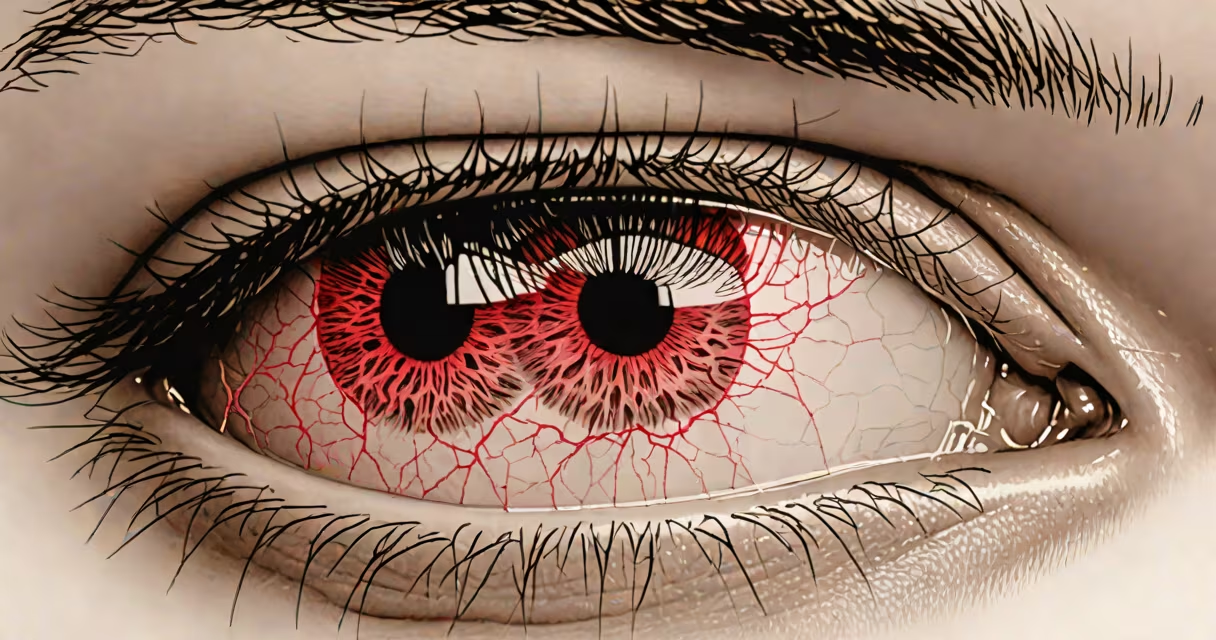
Pink eye in adults-also known as conjunctivitis-is inflammation of the conjunctiva, the thin transparent layer covering the white part of the eye and lining the inside of the eyelid. It's commonly caused by viral infections, bacterial pathogens, allergic reactions, or exposure to irritants like smoke or chlorine.
Viral conjunctivitis accounts for about 80% of cases in adults, with adenoviruses being the most frequent culprit. These viruses spread through direct contact with infected secretions or airborne droplets. Symptoms often begin in one eye and may spread to the other within a few days. The condition typically resolves on its own within 7 to 14 days without specific treatment.
Bacterial conjunctivitis, while less common, presents with thick, yellow-green discharge and crusting of the eyelids. It's usually caused by *Streptococcus pneumoniae*, *Haemophilus influenzae*, or *Staphylococcus aureus*. Unlike viral forms, bacterial pink eye may require antibiotic eye drops prescribed by a healthcare provider. Left untreated, it can lead to complications such as corneal involvement or prolonged discomfort.
| Type | Common Cause | Discharge Type | Duration | Treatment |
|---|---|---|---|---|
| Viral | Adenovirus, herpes simplex | Watery, clear | 7-14 days | Supportive care only |
| Bacterial | *S. pneumoniae*, *H. influenzae* | Thick, yellow-green | 5-7 days with antibiotics | Topical antibiotics |
| Allergic | Pollen, dust mites, pet dander | Clear, stringy | Until allergen exposure stops | Antihistamine drops, avoidance |
| Irritant | Smoke, fumes, chlorine, chemicals | Watery, burning | Minutes to hours after exposure | Rinsing, symptom relief |
One common misconception is that pink eye always involves redness. While redness is typical, some cases-especially allergic or early viral forms-present with itching, tearing, and mild irritation without pronounced redness. A personal observation during a clinic rotation showed a patient with severe eye itching and swollen eyelids but minimal redness; upon testing, the cause was seasonal pollen allergy, not infection.
Allergic conjunctivitis affects up to 20% of adults with ocular symptoms. It often occurs alongside nasal allergies and is triggered by environmental allergens. Symptoms include intense itching, bilateral swelling, and clear discharge. Unlike infectious forms, allergic pink eye doesn't spread between people and responds well to antihistamine eye drops or oral antihistamines.
Irritant conjunctivitis results from exposure to substances like shampoo, cleaning agents, or swimming pool chemicals. It causes immediate burning, tearing, and blurred vision. Immediate irrigation with clean water or saline is critical. Failure to flush promptly can lead to corneal abrasions or chemical burns.
A key distinction missed by many online sources is that viral pink eye can mimic bacterial symptoms early on. Both may produce watery discharge and redness. However, bacterial cases typically develop thicker discharge within 24-48 hours and show more pronounced crusting. Misdiagnosis leads to unnecessary antibiotic use, contributing to antimicrobial resistance. According to the Centers for Disease Control and Prevention (CDC), over 50% of antibiotic prescriptions for conjunctivitis are inappropriate due to misidentification.
Another underappreciated cause is dry eye syndrome. Chronic dryness can trigger inflammation resembling conjunctivitis. Patients report grittiness, light sensitivity, and intermittent redness. Diagnosis requires tear film assessment via Schirmer's test or fluorescein staining. Treatment focuses on lubrication and addressing underlying dryness, not antibiotics.
For example, a 42-year-old office worker developed bilateral eye redness and discharge after returning from a business trip. Initial diagnosis was viral conjunctivitis. After five days with no improvement, a follow-up revealed thick discharge and eyelid crusting. A swab confirmed *S. aureus*. Antibiotic drops cleared symptoms in 48 hours. This case highlights the importance of monitoring progression rather than assuming viral origin.
When symptoms persist beyond 10 days, worsen, or involve vision changes, a healthcare provider should evaluate. Conditions like uveitis or glaucoma can mimic pink eye. Redness with pain, photophobia, or decreased vision requires urgent attention.
Understanding the root cause of pink eye in adults ensures accurate diagnosis and effective management. Viral and allergic forms are self-limiting and treatable with supportive care. Bacterial cases require targeted therapy. Irritant and dry eye-related cases demand prompt removal of the trigger and symptom relief. Correct identification prevents misuse of medications and reduces transmission risk.