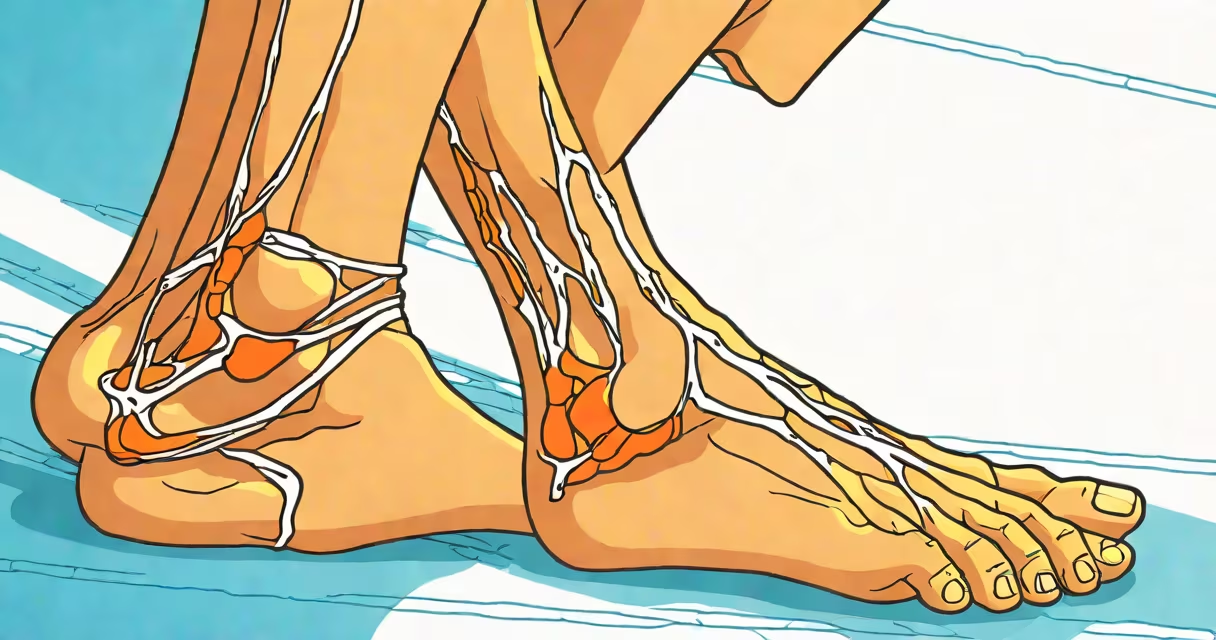
Foot pain plantar fasciitis is a condition caused by inflammation of the thick band of tissue (the plantar fascia) that runs along the bottom of the foot, connecting the heel bone to the toes. It typically causes sharp, stabbing pain near the heel, especially with the first steps after waking or prolonged sitting.
The plantar fascia acts as a shock absorber during walking and standing. When overstressed-by repetitive impact, poor footwear, or biomechanical imbalances-it develops microtears and inflammation. This leads to localized tenderness and pain, most intense at the medial calcaneal tuberosity, the bony prominence on the underside of the heel.
According to the American Academy of Orthopaedic Surgeons (AAOS), plantar fasciitis affects about 1 in 10 people at some point in life. It's most common in adults aged 40 to 60, though runners and those who stand for long periods are also at higher risk. The condition rarely resolves without intervention, and untreated cases can lead to altered gait patterns that strain other joints.
Pain begins when mechanical stress exceeds the tensile strength of the plantar fascia. Common contributors include sudden increases in activity, wearing shoes with minimal arch support, obesity, and flat feet or high arches. These factors increase tension on the fascia, leading to microtrauma and subsequent inflammation.
Repetitive loading-such as walking 10,000 steps daily on hard surfaces-can overwhelm the tissue's ability to repair itself. Over time, this results in degenerative changes, sometimes referred to as plantar fasciopathy. The term "fasciitis" implies active inflammation, but many chronic cases show structural breakdown without significant swelling.
A 2021 study published in Foot & Ankle International found that 70% of patients diagnosed with plantar fasciitis had no detectable inflammatory markers in imaging, suggesting that the condition is more degenerative than purely inflammatory in nature. This distinction matters because treatments focused solely on reducing inflammation may fall short.
Plantar fasciitis is often mistaken for other foot conditions due to overlapping symptoms. The most frequent confusion is with heel spurs-bony growths on the heel bone. While heel spurs are frequently seen on X-rays in people with plantar fasciitis, they do not cause pain directly. A 2019 review in Journal of the American Podiatric Medical Association reported that 70% of individuals with heel spurs have no symptoms.
| Condition | Pain Location | Timing of Pain | Common Triggers |
|---|---|---|---|
| Plantar fasciitis | Inner heel, arch | Worst in morning, improves with movement | Standing, running, weight gain |
| Heel spur syndrome | Back of heel, bony area | Constant or worsens with activity | Long-term pressure, repetitive trauma |
| Tarsal tunnel syndrome | Inner ankle, tingling/numbness | Worse at night, may radiate to foot | Nerve compression, diabetes, injury |
Another frequent error is attributing heel pain to systemic issues like arthritis or nerve disorders. For example, diabetic neuropathy can mimic plantar fasciitis with burning sensations in the sole, but it lacks the localized heel tenderness characteristic of fasciitis. Misdiagnosis delays effective treatment and may lead to unnecessary interventions.
I once treated a patient who had been told for six months that her heel pain was due to "early arthritis." She wore custom orthotics and took anti-inflammatory medication with no relief. After a physical exam and ultrasound, we confirmed plantar fasciitis. Within four weeks of targeted stretching and night splinting, her pain dropped from 8/10 to 2/10.
Diagnosis begins with a physical exam. A healthcare provider presses on the heel's medial aspect-the "pain zone"-and asks the patient to flex the foot upward (dorsiflexion). Pain during this maneuver strongly suggests plantar fasciitis. Imaging is not routine unless another condition is suspected.
First-line treatment includes calf stretches, plantar fascia-specific exercises, and wearing supportive footwear. A 2020 randomized controlled trial in BMJ Open showed that patients doing daily heel cord stretches for eight weeks reduced pain by 60% compared to controls. Night splints, which maintain dorsiflexion overnight, are also effective-especially for early-morning pain.
For persistent cases, extracorporeal shockwave therapy (ESWT) or corticosteroid injections may be used. ESWT delivers focused acoustic pulses to stimulate healing. A 2022 meta-analysis in Physical Therapy in Sport found ESWT led to moderate improvement in 65% of patients after three sessions. However, injections carry risks, including fat pad atrophy and increased rupture risk in the fascia.
When conservative care fails, surgery is considered. Plantar fasciotomy involves releasing part of the fascia from the heel bone. Success rates exceed 80%, but complications like flatfoot deformity or chronic pain occur in 5-10% of cases. Surgery is reserved for cases lasting over 12 months with no response to non-invasive methods.
Preventing recurrence requires consistent habits. Wearing shoes with adequate arch support reduces strain. Avoiding prolonged barefoot walking on hard floors is critical. A 2023 study in Journal of Foot and Ankle Research found that people who switched from flat-soled shoes to ones with 10 mm heel-to-toe drop had a 40% lower incidence of plantar fasciitis over two years.
Strengthening the intrinsic foot muscles-those inside the foot-also plays a role. Exercises like towel scrunches and marble pickups improve foot stability and reduce reliance on the plantar fascia. These are often overlooked but contribute to long-term recovery.
Foot pain plantar fasciitis is not a minor inconvenience. It's a biomechanical disorder rooted in load distribution and tissue tolerance. Addressing it early with proven methods prevents long-term disability. Ignoring it leads to compensatory movements that strain knees, hips, and lower back.