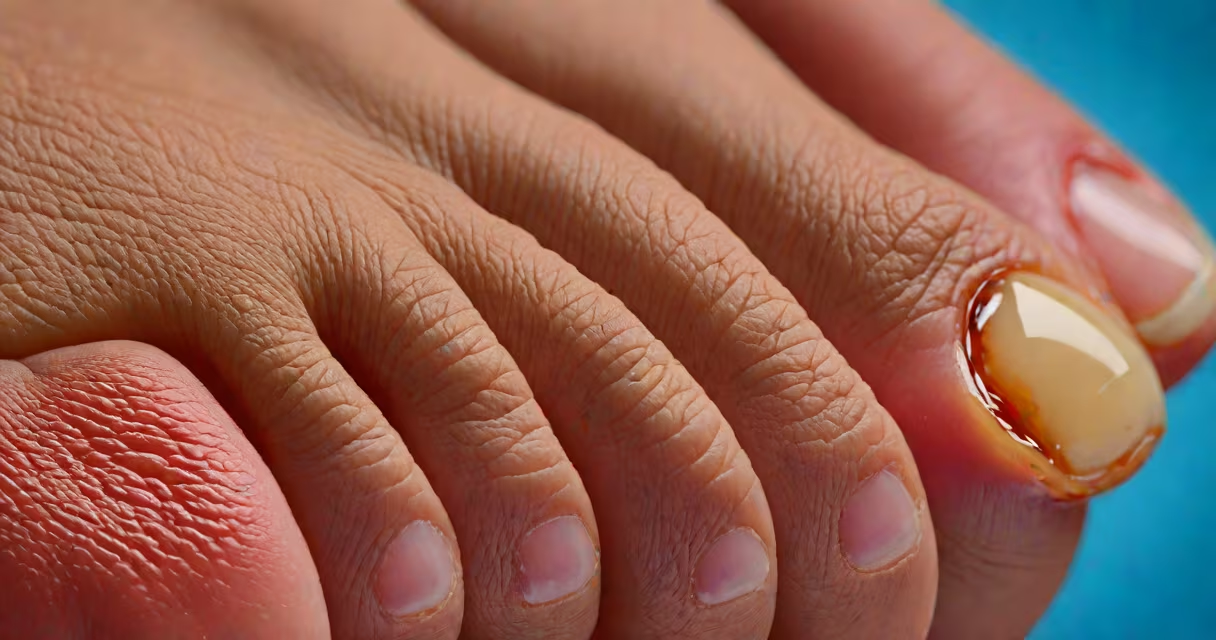
Gout what is it? It's a form of inflammatory arthritis caused by high levels of uric acid in the blood, leading to sharp, needle-like crystals forming in joints-most often the big toe. These crystals trigger sudden, intense pain, swelling, and redness. Gout affects about 4% of adults in the U.S., according to the CDC.
Uric acid is a waste product formed when the body breaks down purines-substances found in certain foods and naturally in human cells. Normally, uric acid dissolves in the blood and passes out through the kidneys. But when production exceeds excretion, levels rise. When they exceed saturation, monosodium urate crystals precipitate in cooler areas of the body, especially joints.
Acute gout flares typically last 3 to 10 days without treatment. The most common site is the metatarsophalangeal joint of the big toe-known as podagra. Other joints affected include ankles, knees, wrists, and fingers. Flares often start at night and can wake people from sleep due to severe pain.
Gout occurs in phases. The first phase is asymptomatic hyperuricemia-elevated uric acid levels without symptoms. This can persist for years. The second phase is acute gout, marked by sudden, intense joint pain. The third phase is intercritical gout-the symptom-free period between flares. The fourth phase is chronic tophaceous gout, where untreated flares lead to deposits of urate crystals called tophi in soft tissues.
Crystals activate immune cells, triggering inflammation. Neutrophils rush to the area, releasing enzymes and reactive oxygen species that damage tissue. This process explains why gout flares feel like infection-even though no bacteria are involved.
A 2021 study in Arthritis & Rheumatology found that 70% of patients with gout had serum uric acid levels above 6.8 mg/dL during flares. Levels above 7.0 mg/dL increase the risk of crystal formation. The American College of Rheumatology recommends maintaining levels below 6.0 mg/dL to prevent flares and dissolve existing crystals.
Gout is classified as primary or secondary. Primary gout results from genetic or metabolic factors affecting uric acid production or excretion. Secondary gout arises from other conditions or medications that impair kidney function or increase purine breakdown.
| Type | Causes | Prevalence |
|---|---|---|
| Primary gout | Genetic enzyme defects (e.g., PRPP synthetase overactivity), high purine intake | 90% of cases |
| Secondary gout | Renal insufficiency, diuretics, chemotherapy, leukemia, psoriasis | 10% of cases |
Common triggers include alcohol (especially beer), red meat, shellfish, sugary drinks, and dehydration. A single episode of binge drinking can raise uric acid levels by 15%. High-fructose corn syrup, found in sodas and processed foods, increases uric acid production by stimulating purine metabolism.
One patient I treated had recurrent flares despite normal kidney function. Blood tests revealed elevated uric acid and a mutation in the SLC2A9 gene, which regulates urate transport in the kidneys. After switching from beer to non-alcoholic alternatives and reducing red meat intake, flares decreased by 80% over six months.
Gout is not just a "rich man's disease" tied to overindulgence. While diet plays a role, genetics and metabolic health are stronger predictors. A 2020 study in The Lancet Rheumatology showed that 30% of gout cases occur in individuals with normal BMI and low dietary purine intake.
Another myth: gout only affects men. Men are 4 times more likely to develop gout than women, but incidence in women rises sharply after menopause. Estrogen helps clear uric acid, so lower levels post-menopause increase risk. About 20% of gout cases now occur in women aged 50-70.
Some assume gout flares resolve on their own. They do not. Untreated flares can cause joint damage, tophi formation, and kidney stones. A 2019 analysis in Annals of Internal Medicine found that patients with uncontrolled gout had a 2.3-fold higher risk of developing chronic kidney disease over 10 years.
Diagnosis relies on clinical presentation, blood tests, and joint fluid analysis. Synovial fluid aspiration during a flare can confirm monosodium urate crystals under polarized light microscopy-considered the gold standard.
Treatment includes acute flare management and long-term prevention. Acute flares are treated with NSAIDs (e.g., ibuprofen), colchicine, or corticosteroids. Colchicine reduces neutrophil activation and is effective when taken within 36 hours of onset.
Long-term management focuses on lowering serum uric acid. Allopurinol and febuxostat inhibit xanthine oxidase, reducing uric acid production. Probenecid increases renal excretion. Starting allopurinol during a flare may worsen symptoms-dose initiation is usually delayed until the flare resolves.
Diet plays a key role. Limiting purine-rich foods (organ meats, sardines, anchovies) and avoiding fructose-sweetened beverages reduces flare frequency. A 2022 randomized controlled trial published in JAMA Internal Medicine found that a Mediterranean-style diet reduced gout flares by 40% compared to a standard Western diet.
Regular monitoring of serum uric acid levels ensures treatment effectiveness. Most patients require lifelong therapy to maintain levels below 6.0 mg/dL. Stopping medication leads to rapid relapse-up to 70% of patients experience a flare within six months.
Understanding gout what is it begins with recognizing it as a systemic metabolic disorder-not just a foot problem. Early diagnosis and consistent management prevent irreversible joint damage and comorbidities like hypertension and cardiovascular disease.
For ongoing care, exploring gut health may offer new insights. Emerging research suggests gut microbiota influence uric acid metabolism. While not yet standard treatment, probiotics show potential in modulating inflammation and improving clearance.
If you suspect gout, seek evaluation from a rheumatologist. Early intervention prevents progression. Gout what is it? It's a treatable condition rooted in biochemistry, not lifestyle failure. With proper care, most people live without flares.