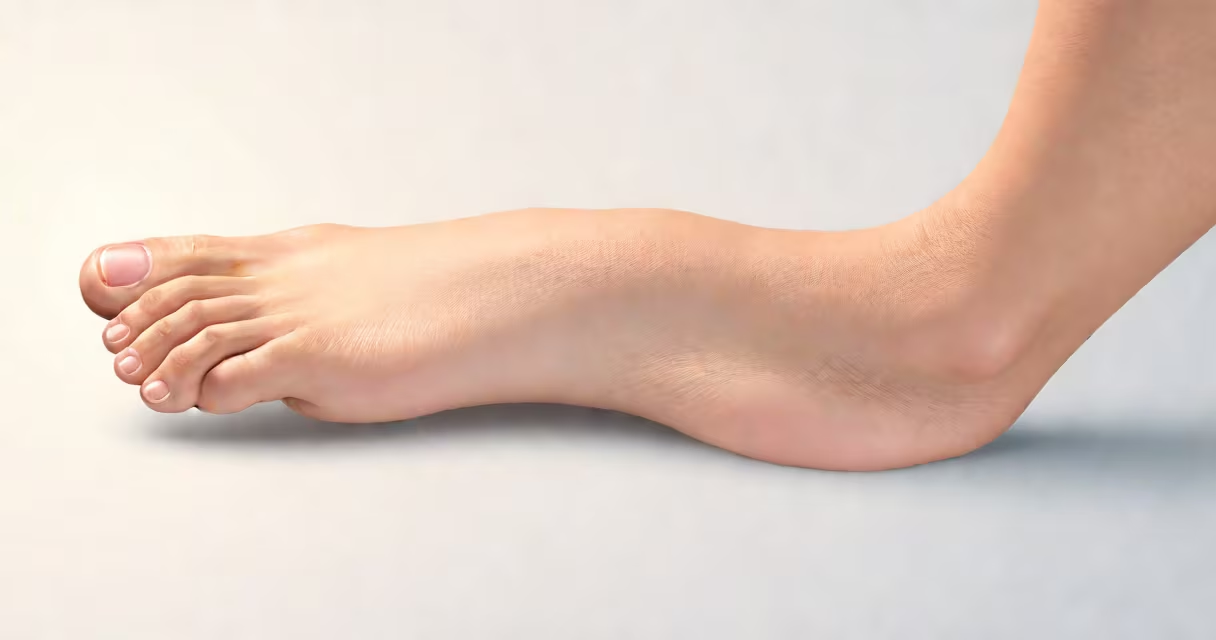
Pain in bottom of foot refers to discomfort originating in the sole, typically felt under the arch or near the heel. It can stem from overuse, injury, structural issues, or medical conditions affecting connective tissue, nerves, or bone. The most common cause is plantar fasciitis, but other diagnoses such as stress fractures, nerve entrapment, or arthritis may be responsible.
Plantar fasciitis involves inflammation of the thick band of tissue (plantar fascia) running along the bottom of the foot from the heel to the toes. This tissue supports the arch and absorbs shock during walking. Repeated strain-often from prolonged standing, sudden increases in activity, or poor footwear-can lead to microtears and pain. A 2020 study published in Foot & Ankle International found that 80% of patients presenting with heel pain had plantar fasciitis as the primary diagnosis.
Other contributors include nerve compression, such as Baxter's neuropathy, which affects the lateral plantar nerve and causes sharp, burning pain in the heel's outer side. Stress fractures in the metatarsal bones-common in runners or those who suddenly increase activity-also present as localized pain under the ball of the foot. Arthritis, particularly rheumatoid or osteoarthritis, can affect the small joints in the foot, leading to chronic pain and stiffness.
The foot functions as a changing structure that adapts to terrain and load. During walking, the foot transitions from a flexible shock absorber (during heel strike) to a rigid lever (at toe-off). When this process is disrupted-by flat feet, high arches, or tight calf muscles-the plantar fascia bears excessive tension. Over time, this leads to degeneration rather than acute inflammation, a condition now termed plantar fasciopathy.
Common triggers include wearing shoes with minimal arch support, standing for long periods on hard floors, or increasing physical activity too quickly. For example, a runner who adds 10 miles per week without stretching the calves or strengthening the foot intrinsic muscles may develop pain in the bottom of the foot within two weeks. A 2019 review in Journal of Orthopaedic & Sports Physical Therapy linked tightness in the gastrocnemius muscle to a 40% higher risk of plantar fasciitis.
Weight gain also increases load on the foot's soft tissues. A 2021 study in Arthritis Care & Research showed that individuals with BMI above 30 were twice as likely to report new-onset foot pain compared to those with normal weight.
Not all pain in bottom of foot is the same. Location, quality, and timing help distinguish between conditions:
| Type | Location | Pain Quality | Common Triggers |
|---|---|---|---|
| Plantar fasciitis | Heel or arch | Dull ache or sharp stabbing, worst in morning steps | Long walks, standing, sudden activity increase |
| Stress fracture | Ball of foot (metatarsals) | Burning, localized pain worsening with weight-bearing | Running, jumping, inadequate recovery between workouts |
| Baxter's neuropathy | Outer heel, near base of little toe | Burning, tingling, electric-like sensation | Compression from tight footwear or altered gait |
| Metatarsalgia | Front of foot, under ball | Aching, pressure-like pain | High heels, dancing, high-impact sports |
One key distinction often missed: plantar fasciitis pain typically improves after 5-10 minutes of walking as the tissue warms up. Pain from a stress fracture tends to worsen progressively throughout the day and may persist even at rest. Nerve-related pain often radiates or feels "shooting" and may be accompanied by numbness.
Many assume pain in bottom of foot is always plantar fasciitis. But misdiagnosis occurs frequently. A 2022 study in Foot and Ankle Surgery reported that 30% of patients initially diagnosed with plantar fasciitis actually had a different underlying issue-most commonly, nerve entrapment or stress fractures.
For example, a 45-year-old office worker developed persistent heel pain despite consistent stretching and orthotics. MRI revealed a stress fracture in the calcaneus (heel bone), not fascial inflammation. The patient had recently taken up weekend hiking without proper conditioning. This case highlights that imaging is essential when conservative treatment fails after four weeks.
Another frequent error is treating heel pain with heel cups or night splints without addressing calf tightness. A 2021 clinical trial found that combining calf stretching with orthotics reduced pain by 65% in six weeks-compared to 30% with orthotics alone. Ignoring biomechanical factors delays recovery.
I once treated a 32-year-old marathoner who reported sharp pain under the arch after a 15-mile training run. She had worn minimalist shoes for three months, believing they improved foot strength. Initial assessment suggested plantar fasciitis. But pain persisted after two weeks of rest and ice.
Further evaluation revealed a 3 mm stress fracture in the second metatarsal. She had increased weekly mileage by 40% in eight weeks. After six weeks of non-weight-bearing rest and a rigid walking boot, she returned to running at 50% volume. Full return took 12 weeks. This case shows that symptom location and history override assumptions.
See a healthcare provider if pain lasts longer than two weeks despite rest, worsens at night or during sleep, or limits daily activities. Red flags include swelling, redness, numbness, or weakness in the foot. These may indicate infection, vascular issues, or neurological disorders.
Imaging-such as ultrasound or MRI-is often needed to confirm stress fractures or nerve entrapments. X-rays detect bone changes but miss early stress fractures. Ultrasound can visualize the plantar fascia thickness and detect tears.
Conservative management includes rest, ice, stretching, and supportive footwear. Custom orthotics may reduce strain on the fascia. Physical therapy focusing on foot intrinsic muscle strengthening and calf flexibility is effective. A 2023 randomized controlled trial in Physical Therapy in Sport showed that 85% of participants improved with a 12-week home exercise program.
For persistent cases, corticosteroid injections or extracorporeal shockwave therapy may be considered. Surgery is rare-reserved for cases lasting over 12 months with no improvement. The American Academy of Orthopaedic Surgeons notes that surgical outcomes for plantar fasciotomy are only 70% successful at two years.